
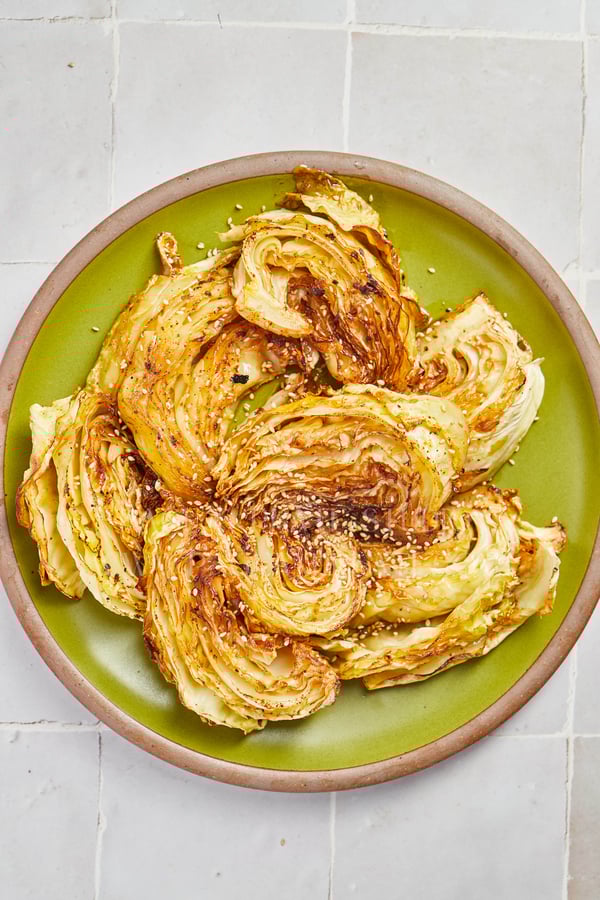
A few weeks ago, food media companies across the internet declared that 2026 was the year that cabbage would be cool. “Boring vegetable no more!” they promised. Cabbage is back, baby.
I’m here today to tell you that cabbage has never been boring, and it never went away in the first place! It’s a versatile, hearty vegetable that shows up in the months when nothing much else is happening. In case it isn’t clear, I love cabbage passionately, and today, I want to tell you all about it and how to use it—this year and forever!
Why Cabbage Works So Well in Winter
Even though cabbage is considered a heartier vegetable, different types of cabbage grow well in gardens and fields all year round. There are plenty of varieties of cabbage (see below) and they store well in cooler weather, making them the perfect vegetable to cook in the winter. Many ways that cabbages can be cooked (more on that later) also lend themselves well to cooler weather.
The Main Types of Cabbage (and How We Use Them)
Let’s get to know the most commonly found types of cabbage and what they’re best used for:
1. Green/WhiteThis is the most commonly found cabbage at your typical grocer. It’s pale green and round, with flat leaves that are wrapped tightly around each other. It’s a food that I don’t remember fondly but have grown to love as an adult. Its growing season is June through late October.
2. Savoy CabbageThis type of cabbage is spherical and has leaves that are crinkled in the most charming way. It’s crunchy and full of texture, and grows in the late fall to early spring, making it the perfect thing to reach for on cold winter nights, especially these stuffed cabbage rolls.
3. Red/Purple CabbageRed or purple cabbage is, well, red or purple. It’s round and has a much more bitter taste than white/green or savoy cabbages. It grows from the early spring to early summer, and makes a killer slaw or grilled side.
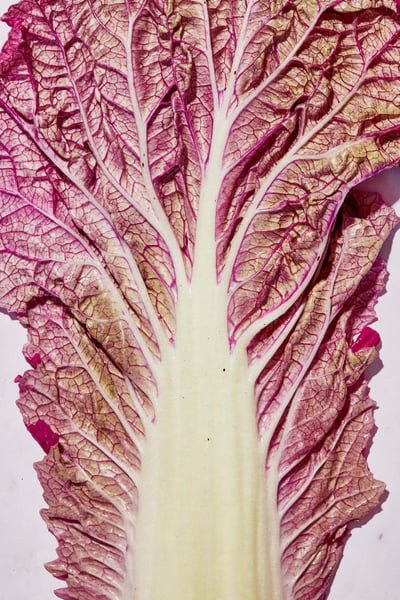
Napa cabbage is more elongated in shape than the other types of cabbage we’ve seen so far. The leaves are ruffled and light green or white in color. It has great crunch and is extremely versatile.
5. Brussels Sprouts
Surprise! Yes, Brussels sprouts are technically a cabbage. When you look at one next to a head of cabbage, it’s easy to see why people sometimes call them “little cabbages.”
The Many Ways to Cook Cabbage
I’ve gone crazy with cabbage over the last few years. I love the crunchy, crispy leaves and the way that they can camouflage into different flavors and preparations. I try to buy cabbage as often as I can in the winter because it’s something I know I can store in the refrigerator for a few weeks that won’t go bad.
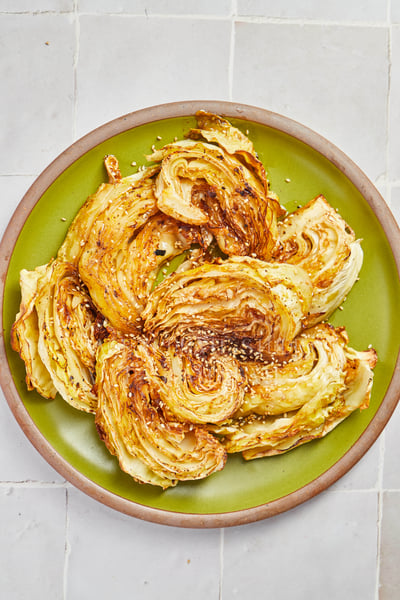
Cooking cabbage ranges wildly, but some of my favorite preparations include a nice braise or roast. It stands up incredibly well to heat, and it almost feels like a main dish when you do it right.
With Napa and red cabbages, I try to get creative and lean into what the cabbages do well. Napa cabbage, when cut into thin strips, makes a delicious stir-fry. Red or purple cabbage turns into a bright, bitter slaw that I keep in the refrigerator to use on top of braised meats, tacos, and grain bowls. And, of course, with green cabbage and brussels sprouts, you can never go wrong with a thinly shredded salad with toasted nuts, a creamy dressing, and a nice spicy crunch.
This is just the beginning though. From cabbage rolls to kimchi to sauerkraut, the possibilities for cabbage are endless!
The Chopping Block is featuring dishes with cabbage in several cooking classes in March. Don't miss:
-
Baja Coastal Kitchen featuring Achiote Grilled Baja Fish Tacos with Shredded Red Cabbage, Grilled Avocado and Lime-Chipotle Crema
- Filipino Feast featuring Lumpia Shanghai (Pork and Cabbage Spring Rolls) with Black Pepper Vinegar Sauce
- Cooking the Rainbow: Antioxidants in Action Demonstration featuring Red Cabbage Slaw with Citrus Dressing
