
It’s not just me, right? I get home from the early spring farmers’ market, feeling alive. Local produce is back, baby! I page through my cookbooks, feeling wildly excited to cook all the vegetables. I dump my tote out on the table, dirt and all, and take stock. Then, I realize that I’ve done it again. I’ve bought mostly leaves. Sure, there are some carrots and radishes attached to the leaves, but let’s face it: most of these vegetables come with greenery attached.
I’ve been a vegetarian now for well over a decade. (I’m actually getting close to my 20-year anniversary!) Cooking vegetables is second nature to me. But sometimes, I need a reminder that greens can be just as exciting as the vegetables of the late summer. All it takes is some determination to see past the leaves and into some culinary creativity. As with so many other veggies, the leaves from spring veggies and the early spring greens are a great canvas to use in quite a few recipes.
Make sure to thoroughly wash the greens and leaves before you start cooking with them—they’re often the parts that can be sneaking some good-old dirt into your kitchen. A quick rinse does them wonders. To store them after washing, I dry them thoroughly before wrapping them in paper towels and storing them in sealed freezer bags that I put in my crisper drawers. There, they stay nice and fresh for the following recipes until the next farmers’ market. Before you dive into these recipes, a reminder about greens, especially the sometimes-fragile early spring varieties: use a sharp knife and your best knife skills to cut them.
Here’s what I’m cooking up after my odyssey to the spring-has-sprung markets of May!
1. A Quick Sauté Never Hurts
My first go-to is an easy one: do a quick sauté on those greens. Beet greens, radish leaves, and young mustard greens all play really well with a little bit of garlic (just smash the cloves instead of chopping so it doesn’t get overwhelming) and some crushed red pepper flakes. Choose a high-quality olive oil since you’re cooking something so simple, and add the greens once the pan and the oil gets hot. Don’t overcrowd the pan, either—greens like their space as they shrink down.
2. Greens & Beans Is A Fail-Proof Staple
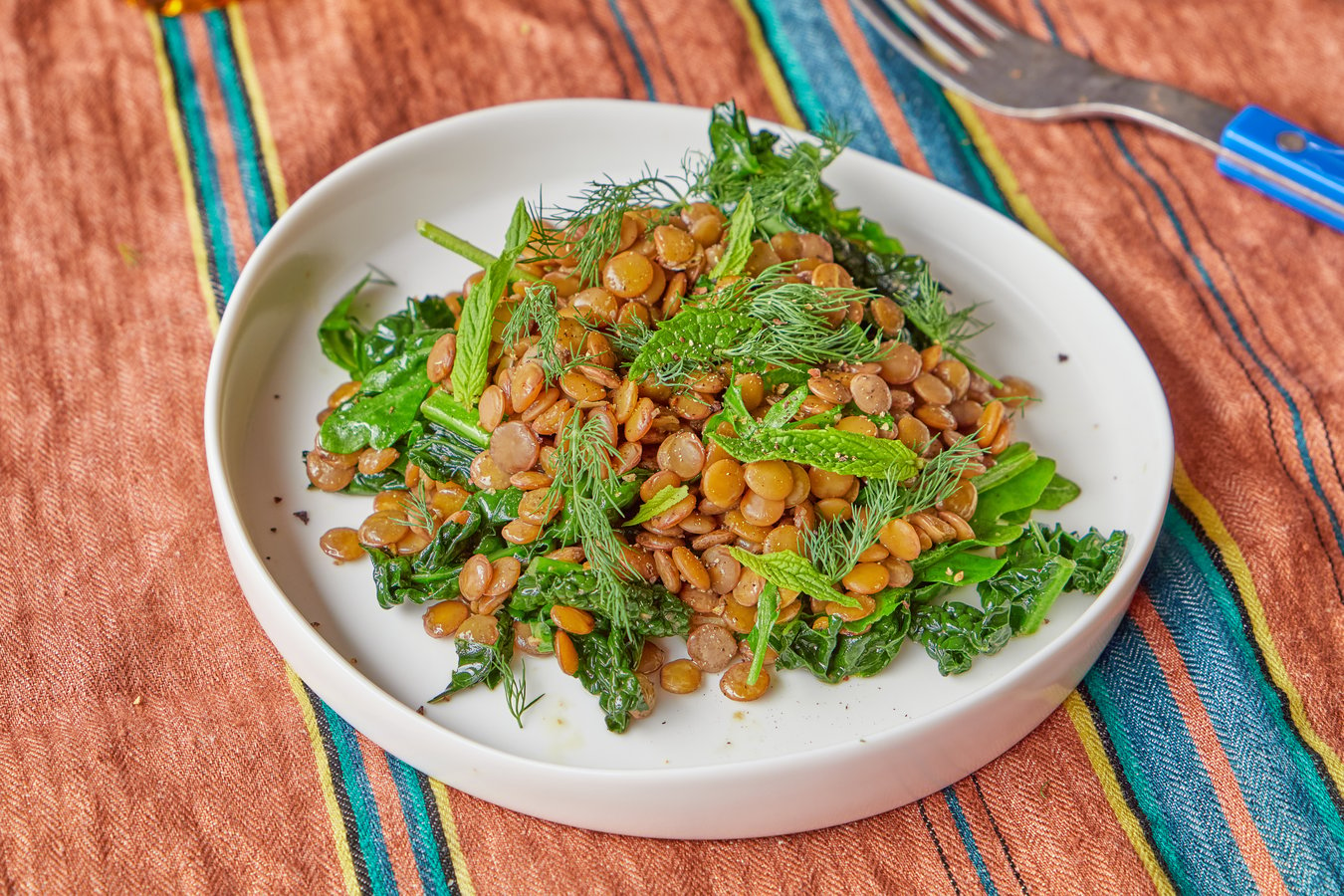
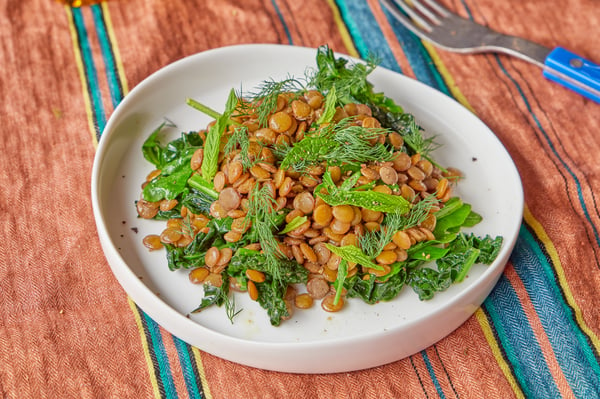
I’ve professed my love of beans many times here, but there’s never a better time to make beans and greens than in the early spring. There’s a wealth of greens to choose from, whether spinach, young kale leaves, collard greens, or arugula. The heartier greens, like kale and collard greens, can sit with the beans as they cook, but save the more fragile spinach and arugula leaves for later. I also pick the finishing touch for this dish based on the type of green I’m using: the lighter greens get a squeeze of lemon and a pinch of freshly cracked black pepper and the heartier ones get a spoonful of Thai chili jam.
3. Sauce It Up
One of the most impressive recipes in my arsenal is a carrot top pesto that I make every year to the delight of my guests. I’ve used it as a pizza topper, a dip, and as the base for an easy, big flavor pasta sauce. Basically, anywhere you use pesto, you can use this easy alternative. I like to blanch the carrot greens briefly before I use a high-powered blender to blend them into a smooth mixture. This helps keep the color as vibrant as possible! From there, I add pasta water or lemon juice, seasoning, and some crushed pistachios. Yum!
For more techniques on working with greens, don't miss The Chopping Block's hands-on Garden to Table: Seasonal Spotlight class coming up on Thursday, May 21 at 6pm. You'll learn how to make and enjoy:
- Pea, Mint and Radish Crostini with Whipped Ricotta
- Butter Lettuce and Scallion Bisque with Herby Greek Yogurt
- Risotto Primavera with Maitake Mushrooms, Asparagus and Leeks
- Strawberry-Rhubarb Cornmeal Skillet Cake with Lavender Whipped Cream
