
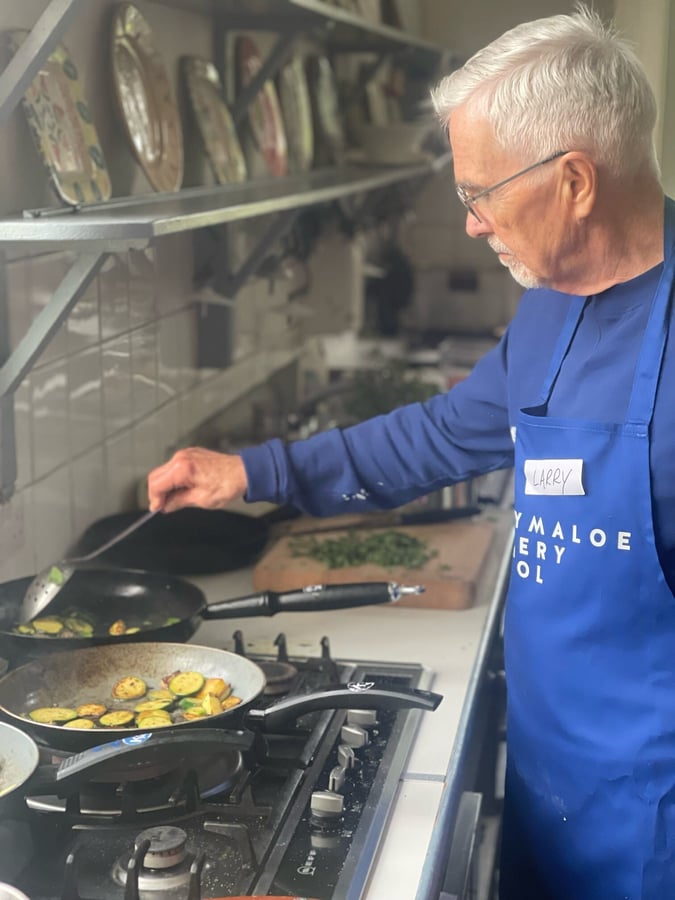
If you asked most people to name the world’s great food destinations, Ireland probably wouldn’t make the shortlist. Italy, France, Spain? Sure. But Ireland? Usually not.
And that’s a mistake.
Ireland doesn’t shout about its food. It doesn’t rely on trends or spectacle. What it does exceptionally well is grow ingredients, protect craft, and take care of the land, animals, producers, and traditions that have quietly endured for generations. For cooks who care about where food comes from, Ireland is one of the most rewarding places you can cook.
That’s the heart of our 2026 Ireland culinary tour.
A Country Built for Growing Things
Ireland’s reputation for lush, green landscapes isn’t just postcard material, it’s culinary infrastructure.
With a mild, temperate climate and rich, fertile soil, Ireland is an ideal place to grow produce. Gardens thrive. Herbs grow abundantly. Vegetables don’t need to fight extremes to survive. The result is food that tastes clean, vibrant, and deeply itself.
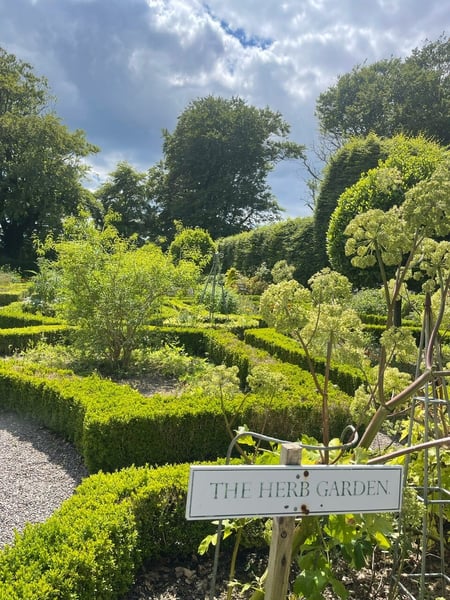
Add in a long, rugged coastline, and you get exceptional seafood: shellfish, smoked fish, and cold-water species handled with precision and respect. This is not industrial agriculture. It’s small-scale, sustainable, and often deeply personal.
Many Irish producers aren’t trying to scale. They’re trying to do things right.
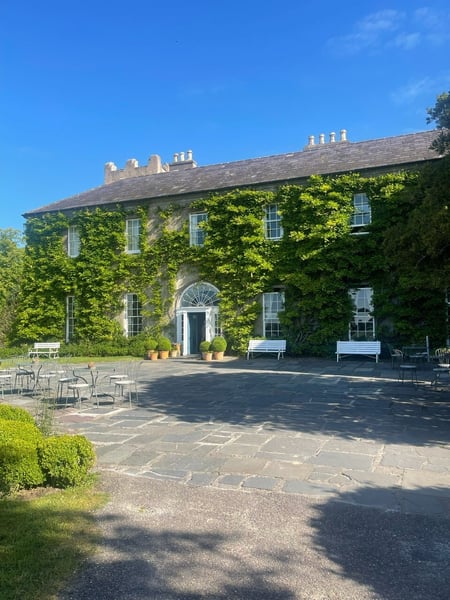
Cooking at Ballymaloe Cookery School: Where Ingredients Come First
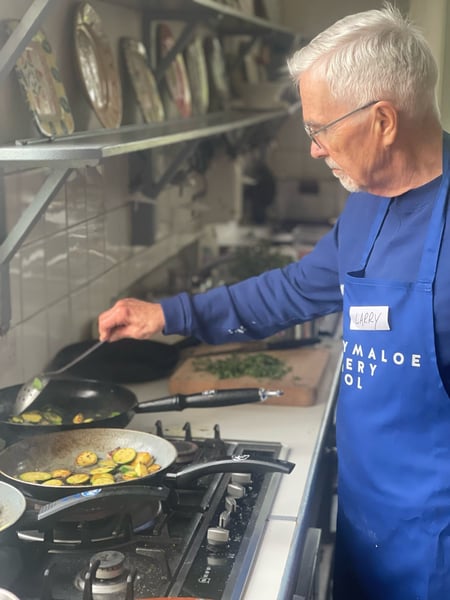
At the center of this experience is Ballymaloe Cookery School, one of the most respected cooking schools in the world - and one that surprises people precisely because it’s in Ireland.
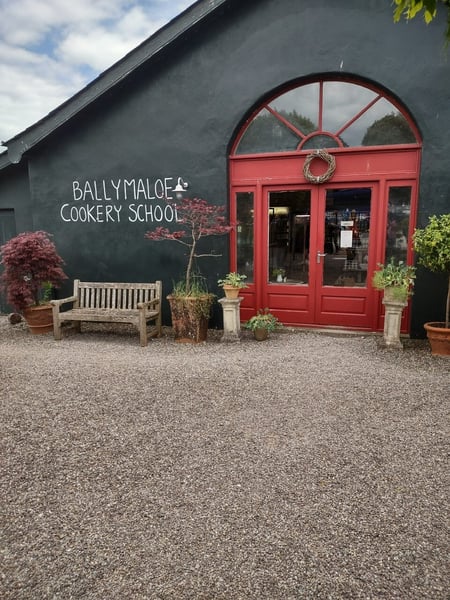
Ballymaloe isn’t about flashy technique or trend-driven menus. It’s holistic. The gardens, the farm, the kitchens, the dining room—they’re all part of one ecosystem. Ingredients are grown steps from where they’re cooked. Farmers, fishers, and artisans are part of the same network. Nothing is accidental.
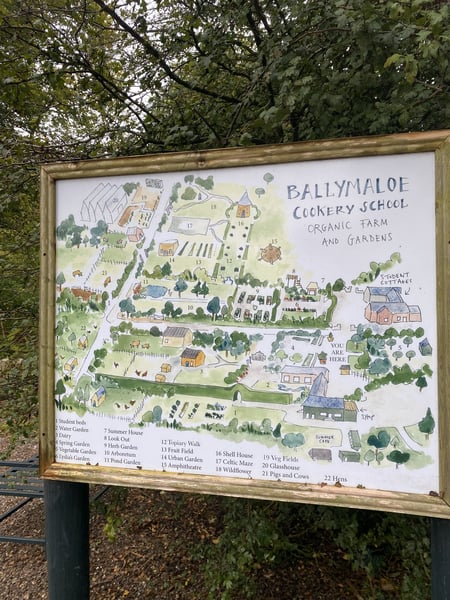
This philosophy comes directly from its founder, Darina Allen, widely regarded as Ireland’s most influential culinary educator. For over 40 years, she has championed ingredient-first cooking, sustainable agriculture, and the preservation of traditional food skills. At Ballymaloe, cooking is inseparable from farming, seasonality, and community.
The idea is simple but demanding: when ingredients are truly good, the cook’s job is to respect them. Technique supports flavor—it never overpowers it. You’ll hear this echoed by our own Chef Matt, who attended Ballymaloe Cookery School himself.
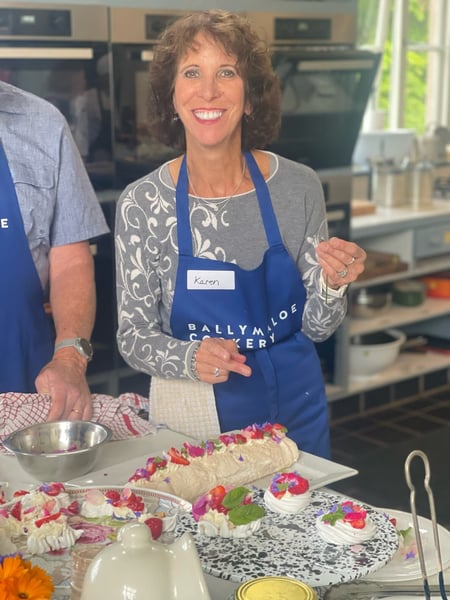
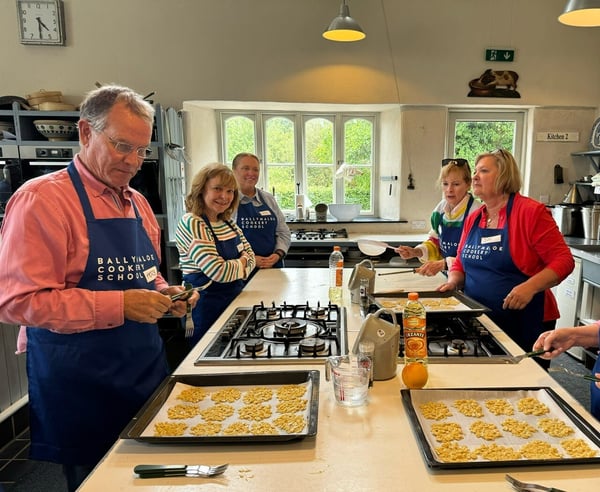
During our time at Ballymaloe, you’ll cook with the seasons, learn directly from chefs steeped in this philosophy, and experience food that reflects care at every stage—from soil to plate.
Forgotten Skills That Still Matter
One of the most compelling parts of Irish food culture is how many “old” skills never disappeared.
Bread baking. Fermentation. Fish smoking. Preserving. Cheese making.
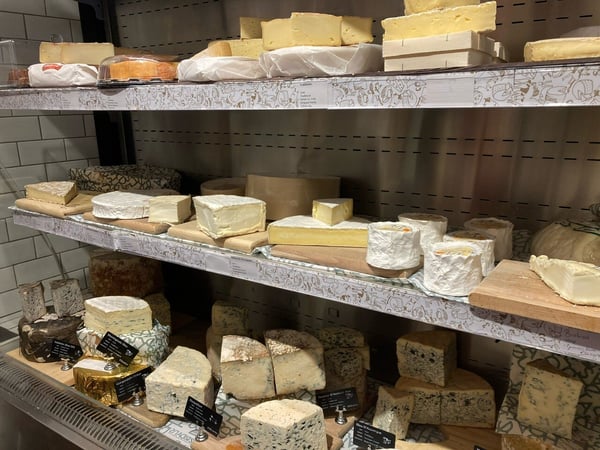
These aren’t nostalgic gestures; they’re living practices. Ireland never fully industrialized its food system the way many countries did, so these skills remained relevant. They’re taught, used, and passed on - not as lifestyle branding, but as everyday knowledge.
Darina Allen has long emphasized that these skills matter not because they’re old, but because they teach judgment, patience, and respect for ingredients. They remind cooks that good food doesn’t begin with recipes—it begins with awareness. Her best-selling cookbook Forgotten Skills of Cooking explores these time-honored techniques and why they remain essential today. (Hear more about Darina's philosophy in The Splendid Table podcast.)
Even for urban cooks, reconnecting with these techniques is grounding. They sharpen instincts. They slow you down. And they reinforce the idea that cooking well is as much about how you think as what you make.
Along the Coast: Smoke, Sea, and Time
One of the most unforgettable experiences on this trip happens on the Irish coast with Sally Barnes, a legendary fish smoker whose work is recognized worldwide.
This is food shaped by place—by salt air, fire, patience, and deep understanding of the sea. Her smoked fish isn’t a product; it’s a craft. Spending time here connects you directly to Ireland’s coastal food traditions in a way no restaurant meal ever could.
It’s quiet. It’s elemental. And it’s extraordinary.
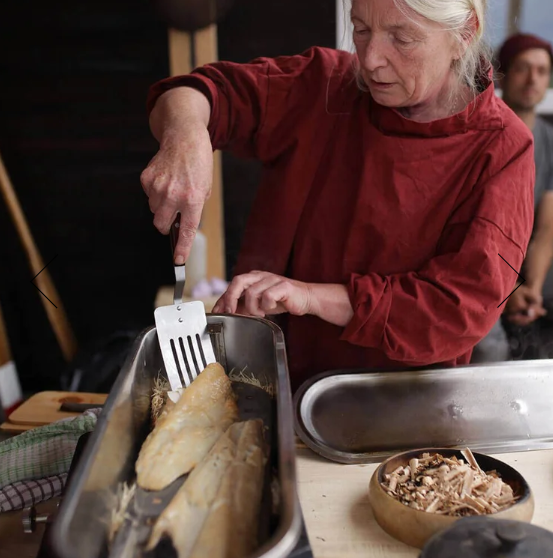
Photo courtesy of Woodcock Smokery
Dinner at Ballymaloe: Modern Irish Cuisine, Rooted in Place
Dining at the Ballymaloe House Restaurant is where any lingering assumptions about Irish food quietly fall away.
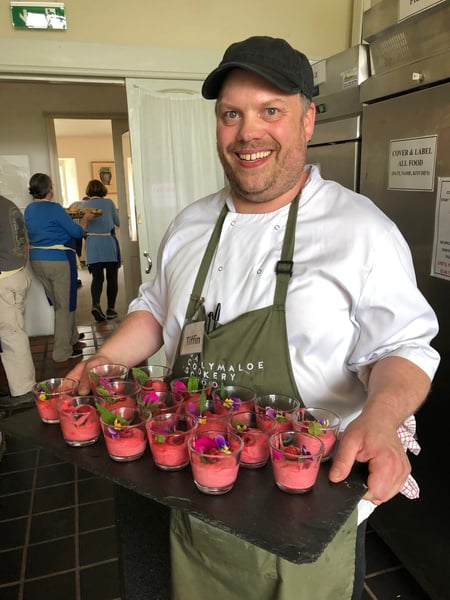
The cooking is unmistakably modern, but never disconnected from its surroundings. Dishes evolve with the seasons and highlight ingredients at their absolute peak—often harvested just steps from the kitchen or sourced from trusted local producers. A meal here might include Rossmore oysters with rhubarb mignonette, a day-boat lobster salad, or filet of beef served with vegetables straight from the garden. The plates are refined, but never fussy. The restraint lets the ingredients do the talking.
What truly sets Ballymaloe apart, though, is its legendary dessert trolley—a tradition that has been part of the dining room since the 1960s. At the end of the meal, a cart filled with daily desserts is wheeled tableside, offering a choose-your-own finale that feels both celebratory and deeply personal. Expect favorites like the famous ice cream bowl, Darina Allen’s carrageen moss pudding, along with tarts, meringues, and mousses, all made in-house.
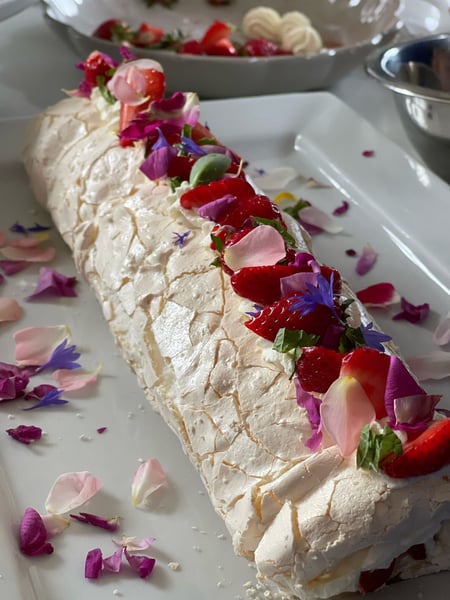
This isn’t “Irish pub food.” It’s thoughtful, ingredient-driven cooking rooted in place.
A Quiet Global Following—Including Millions Watching Online
Ballymaloe’s influence extends far beyond Ireland, even if it isn’t always loud about it.
Last year, Hannah Neeleman, the creator behind Ballerina Farm, spent time at Ballymaloe and documented the experience for her audience of more than 10 million followers across Instagram and Substack. Her posts captured the rhythm of daily cooking, the gardens, the preserved skills, and the immersive nature of the school—bringing global attention to a place that has long been revered by chefs and serious home cooks.
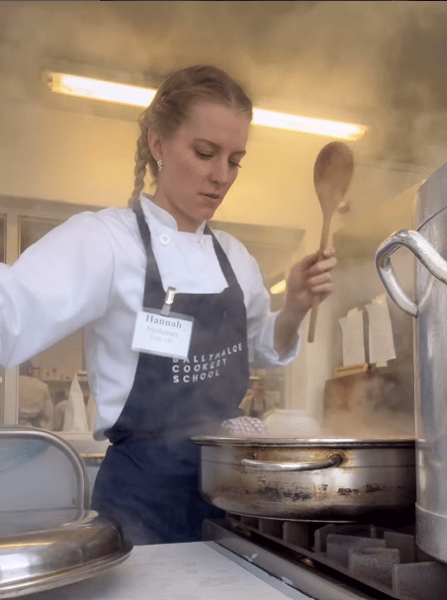
Photo courtesy of Ballerina Farm's Instagram
What’s notable isn’t influencer involvement—it’s why Ballymaloe resonates so widely. In an era of fast content and trend-driven food, its slow, intentional approach feels grounding. The appeal cuts across backgrounds: professional chefs, passionate home cooks, young students seeking life skills, and global audiences hungry for authenticity.
Ballymaloe doesn’t chase attention. It earns it with one thoughtful plate, one preserved tradition, one season at a time.
Why This Matters for TCB Cooks
This trip isn’t about learning Irish recipes. It’s about learning how cooks think when ingredients matter most.
Ireland offers something rare: a food culture that values restraint, sustainability, and care over performance. For The Chopping Block's community—home cooks who want to deepen their intuition, sharpen their judgment, and reconnect with the fundamentals—there may be no better classroom.
Ireland doesn’t announce itself as a food destination. It lets the food speak quietly and confidently for itself.
Cook the World in 2026: Ireland, Tuscany & Iceland
Curious about cooking your way through Ireland—and wondering how it compares to our other culinary tours to Tuscany or Iceland? Join us for a live Zoom conversation with me and Molly from Onward Travel (who studied at Ballymaloe herself!) to learn more about our three unforgettable culinary journeys planned for 2026.
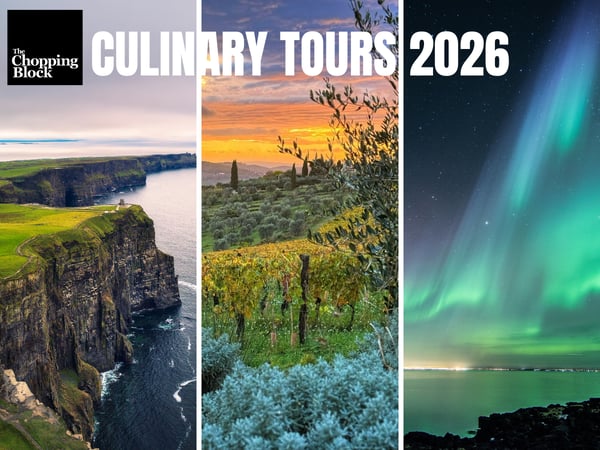
In this one-hour session, we’ll walk through what makes each trip unique, who they’re best suited for, and what you can expect—from hands-on cooking and local food culture to pace, accommodations, and group size. Whether one destination immediately calls to you or you’re still exploring what’s possible, this session is designed to help you decide which adventures feel like the right fit.
No obligation—just inspiration, details, and plenty of time for Q&A.
-
Monday, January 26
-
7:00–8:00 PM CT
-
Location: Live on Zoom (registration required)
Can’t join us live? Register anyway, and you’ll receive the recording after the session.
