
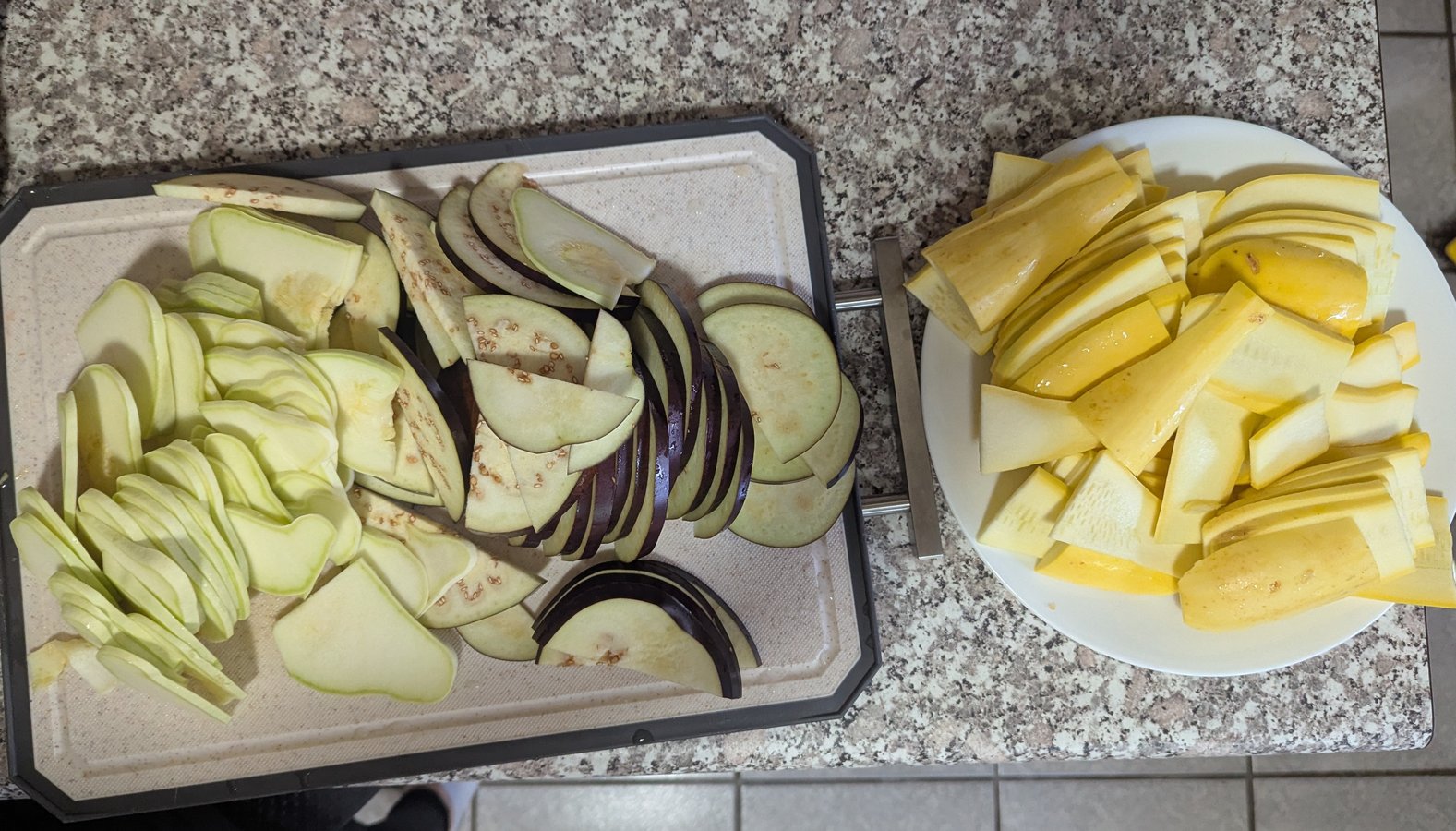
It’s a great question, and one I bring up often in the classes I teach. I always tell others that most of the cuts they make at home are perfectly fine—after all, we aren’t in professional kitchens. But at the same time, there are real, meaningful reasons why proper knife cuts matter. They influence far more than people realize.
Looks
Yes, many of us are “just” cooking for ourselves or our families. But why do we put the word *just* in front of that? These are the people who matter most to us, and the effort we put into their food should reflect that. When food looks beautiful, it draws us in. It makes the meal feel intentional, cared for, and worth savoring.
Think about why eating at a restaurant feels so luxurious. A big part of that experience is visual. Someone took the time to cut ingredients evenly, arrange them thoughtfully, and present the dish in a way that feels special. Knife cuts are a huge part of that visual appeal. They help create the first impression—the one that makes us excited to take that first bite.
Nutrition
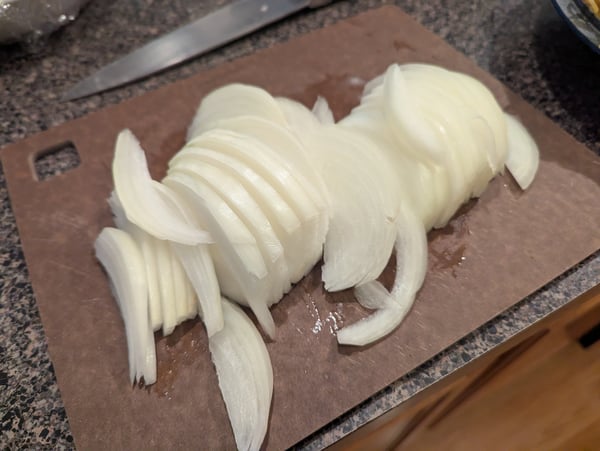
This might sound surprising, but knife cuts can influence nutrition too. Part of this is psychological. When vegetables look appealing—vibrant, neatly cut, and inviting—you’re more likely to eat them. A beautifully prepared side dish encourages you to finish it rather than push it around the plate.
There’s also the matter of accessibility. When ingredients are cut properly, they’re easier to eat. A carrot sliced too thick may feel tough or overwhelming, while one cut into even, manageable pieces feels pleasant and approachable. When food is easier to enjoy, you’re more inclined to finish those important food groups that support a balanced diet.
Proper Cooking
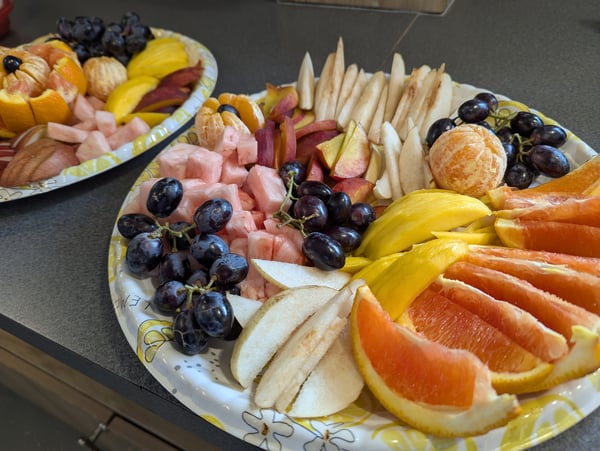
Knife cuts also play a major role in how food cooks. Different sizes and shapes cook at different rates. Chop potatoes too small and they may overcook and fall apart. Cut them too large and they may take forever to soften. The same applies to almost every ingredient—onions, carrots, chicken, even herbs.
Understanding how to cut ingredients for a recipe helps you achieve the results the recipe intends. Once you grasp how each cut affects the final dish, you gain the confidence to adjust recipes, improve them, or even create your own. Knife skills are the foundation of culinary intuition.
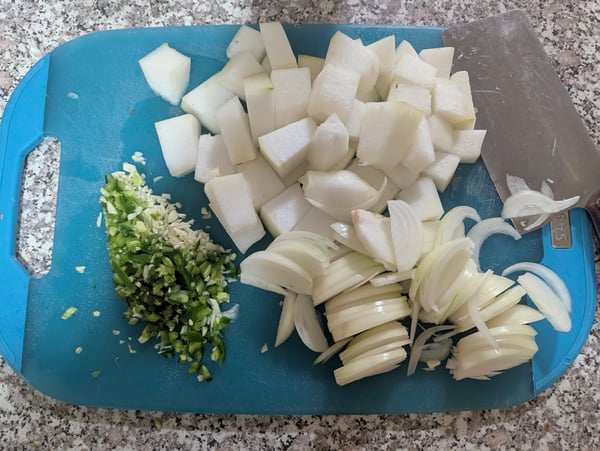
Building Your Skills
These ideas are at the heart of one of our most popular classes: Knife Skills. We have another blog post that dives deeper into the class itself, but the essence is simple—learning proper knife cuts transforms your cooking. You’ll learn how to handle different vegetables, how to choose the right knife for the job, and how to create meals that look, taste, and feel better.
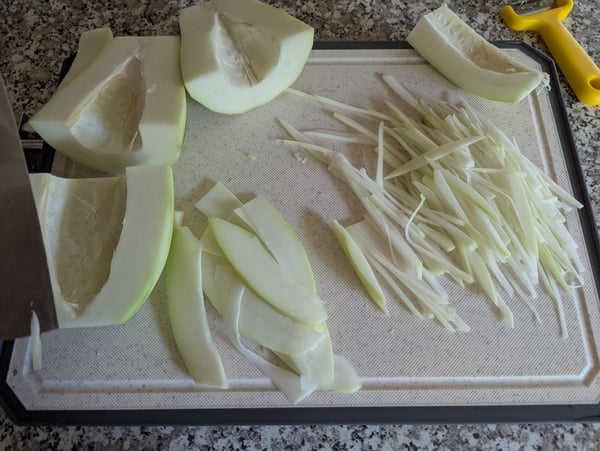
We’re offering our next Knife Skills class on Sunday, April 26 at 9:30am, and it's a perfect opportunity to start building these essential techniques. The class runs multiple times each month, and it’s an excellent way to begin your journey toward confident, capable, and thoughtful knife work.
