
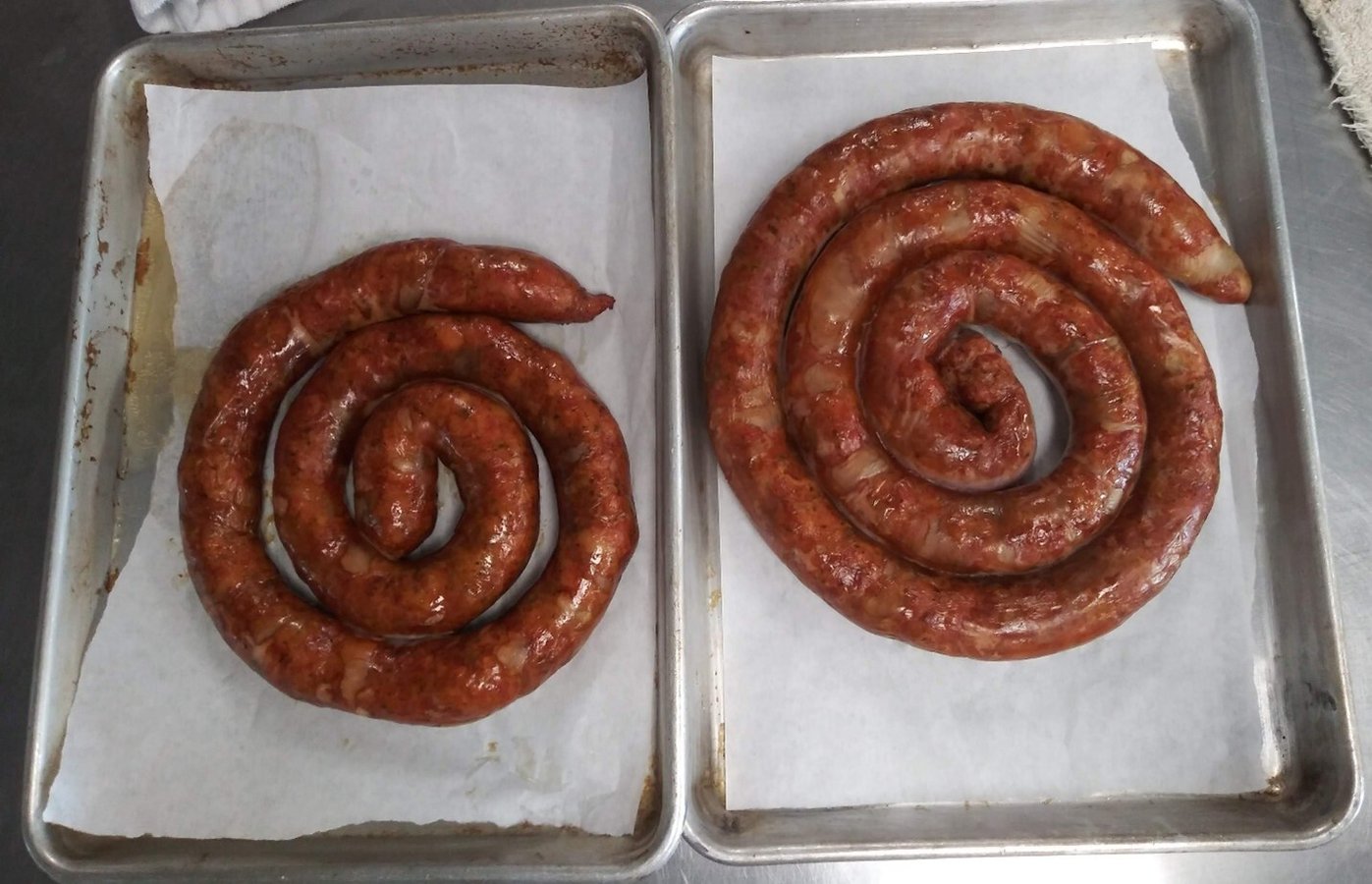
I started making my own sausage during my undergrad at Johnson & Wales. Sausage making means choosing the meat, selecting the flavors, grinding the meat and fat, and finally stuffing the sausage. My first homemade sausage was a smoked duck and apple sausage, and it turned out amazing. This was the start of my sausage making obsession.
Since then, I’ve made many different types of sausages, some incredible, others just okay—but every batch has been a learning experience. It’s a craft I genuinely love and one I hope others will explore too.
Below, I’ll walk you through the basics of sausage-making and what you’ll need to get started. While some treat it as a science, I see it as an art, an opportunity for creative ownership.
Equipment
Once you understand the basics, it’s surprisingly easy to get started at home. That said, you’ll need a few key tools:
- Meat Grinder: You can use pre-ground meat, but grinding your own gives you more control over texture and flavor. You can also grind aromatics and other flavor additions directly into the mix. Grinders come as standalone units or as attachments for a KitchenAid mixer. I prefer a medium grind for a bit of texture in each bite.
- Sausage Stuffer: If your grinder includes a stuffing attachment, great! But I personally prefer using a caulking-style sausage stuffer gun, it gives you better control over the rate and thickness of the sausage.
- Kitchen Scale: Fat ratio is key. Most sausages fall between 10% to 30% fat by weight. A scale helps you get it right every time.
Before you get started, it’s important to make sure your meat and equipment are cold. I place my grinder and stuffer tube in the freezer at least a day in advance, while the meat can simply be refrigerator cold. This helps prevent the fat from “mushing” during the grinding and stuffing process, which can clog your equipment. Keeping everything cold ensures a cleaner grind, better texture, and easier handling throughout.
Fillings & Flavor
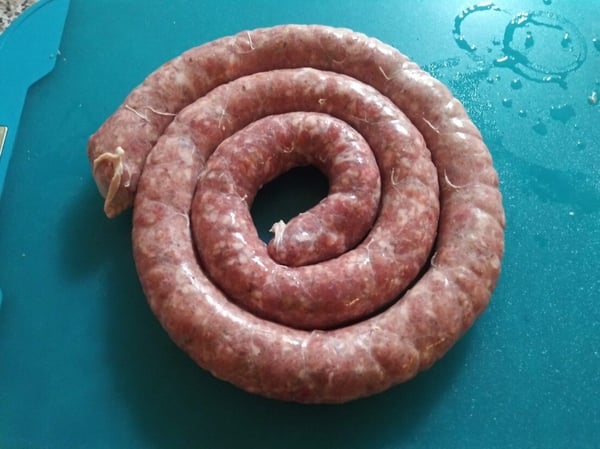
Your choice of meat will guide your flavor profile. You can start with classic combinations like breakfast sausage or Italian sausage—but ultimately, it’s up to you! To help you get started, Chef Sara has a step-by-step guide for home ground Italian sausage that you can find here!
Here are some elements to consider when building your flavor:
- Type of Meat
- Spices
- Fresh Herbs
- Aromatics (e.g., garlic, onion, shallots, ginger)
- Dried Fruit
If you’re adding fruit, stick to dried versions to avoid excess moisture, which can cause the sausage to break.
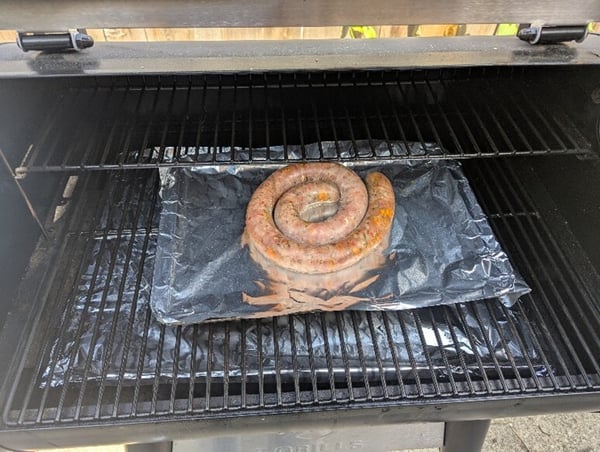
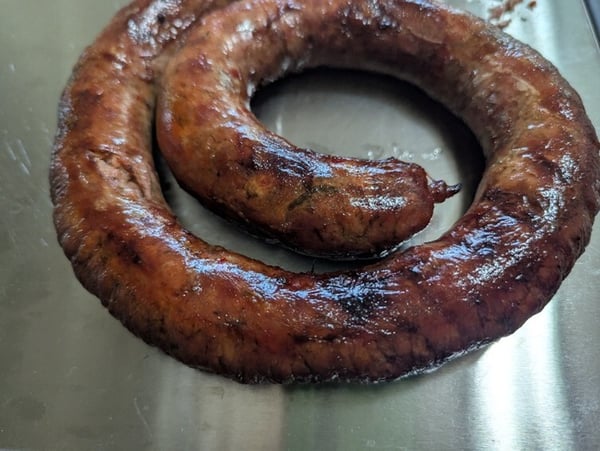
For example, my latest sausage was a mango habanero pork sausage with fennel, garlic, and onion powder. Most readily available casings are made from pork intestines, but you may find other varieties at specialty butchers. To store natural casings, keep them packed in salt for preservation.
Once I finish making sausage, I’ll either freeze, boil and sear, or smoke them, depending on when and how I want to eat them. Chef Lisa has a great how-to for smoking in which you can read about here!
Why It’s Worth It
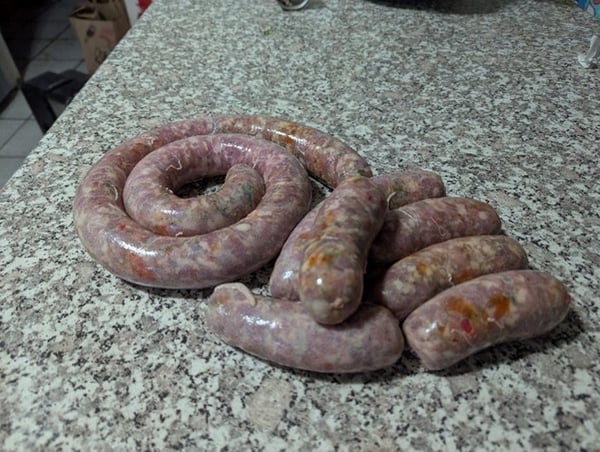
While sausage-making might sound like a big undertaking, the effort is absolutely worth it. If I had to choose my favorite thing to make or cook, it would be sausage. It’s an art form that many of us take for granted these days, and one I’m passionate about reviving.
If you’re curious about making more foods from scratch, join our Mozzarella Shaping and Ricotta Making course on Wednesday, August 20 or Artisanal Breads Boot Camp on Saturday, September 27 featuring a whole new menu!
