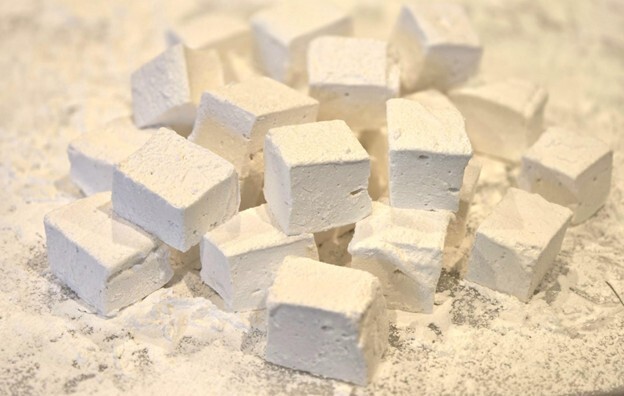
Few things capture the essence of childlike wonder quite like a marshmallow. Part of the magic of marshmallows is how they connect us to memories. Roasting marshmallows around a fire, swirling them into hot cocoa, crafting gooey treats, or simply just eating them right out of the bag.
They are one of those simple life pleasures we all need from time to time. These fluffy confections are far more versatile than many give them credit for.
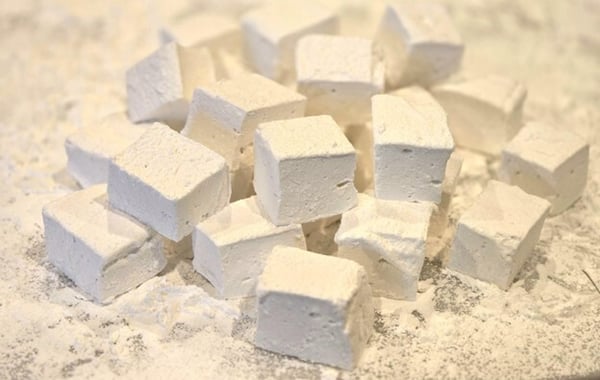
What exactly is a marshmallow? At its core, a marshmallow is a sweet treat made from sugar, water, and gelatin whipped into a soft, fluffy texture. Originally derived from the root of the marshmallow plant (yes, it was once herbal medicine) modern marshmallows have evolved into the squishy, sugary pillows we know and love today.
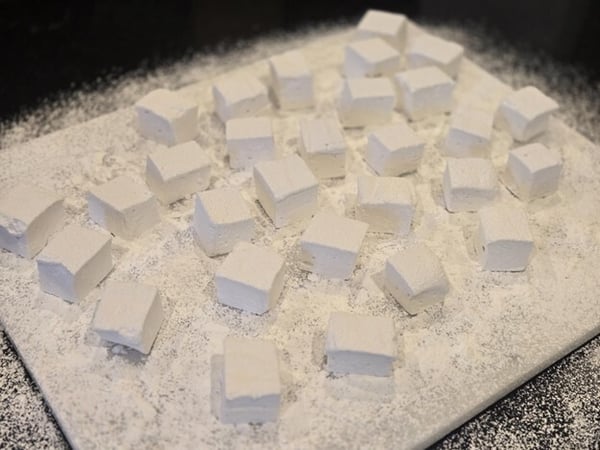
Flavoring Marshmallows
Most marshmallows are subtly flavored with vanilla, but the flavor possibilities are nearly endless. Flavorings let you customize them for holidays, party themes, or simply just personal cravings. Use extracts, fruit purees, spices, coffee, chocolate, or by adding toppings.
Prepare the Pan
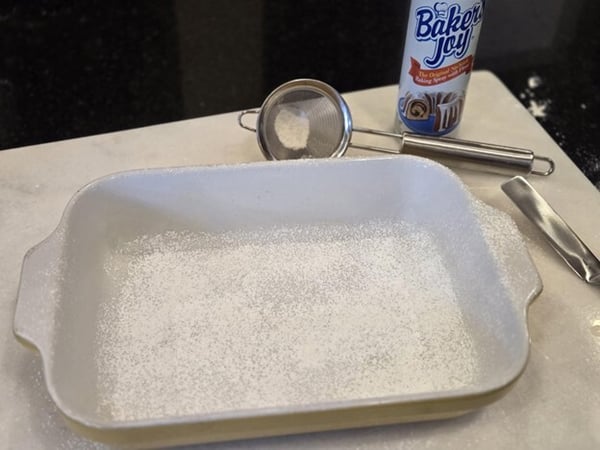
It’s best to use glass or ceramic, as metal pans can impart a metallic aftertaste to the delicate flavor of homemade marshmallows. Marshmallows are very sticky so always lightly grease the pan so they come out clean and easy. Prep and have the pan ready before the marshmallow mixture is done. The mixture will start to dry almost immediately. Be ready to work quickly to get the marshmallow into the pan and smooth it out.
Vanilla Marshmallows
Yield: 4 dozen
Active time: 45 minutes
Total time: 4 hours 45 minutes
(227g) 1 cup - cold water, divided
(21g) 3 packets - gelatin
(298g) 1 1/2 cups - granulated sugar
(312g) 1 cup - light corn syrup
(14g) 1 tablespoon - vanilla bean paste or vanilla extract
(1.5g) 1/4 teaspoon - kosher salt
Food coloring, optional
Equal parts powdered sugar and cornstarch as needed
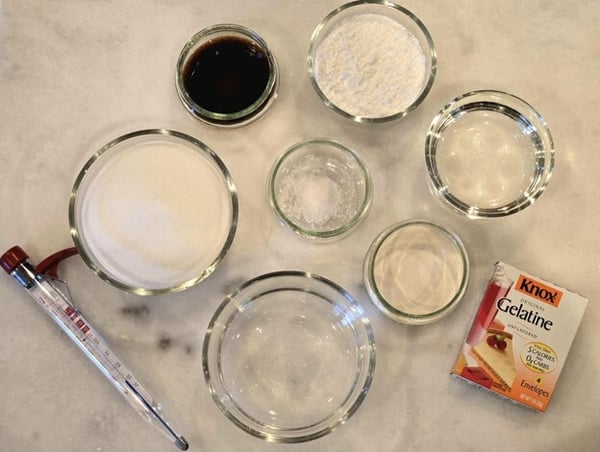
1. Lightly grease a 9x13 glass or ceramic pan.
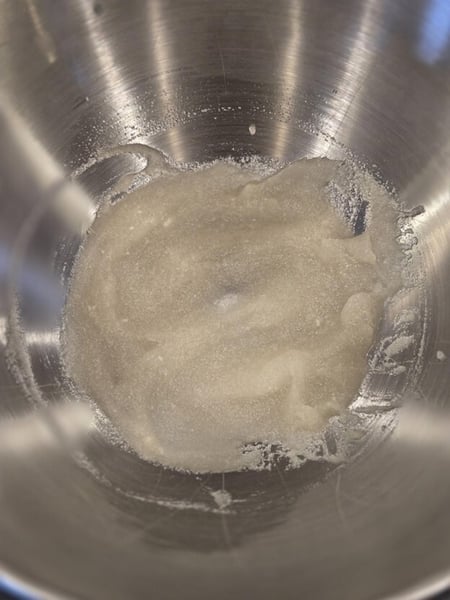
2. In the bowl of a stand mixer fitted with a whisk attachment, combine gelatin and 1/2 cup (113g) of cold water. Gently whisk until combined - set aside.
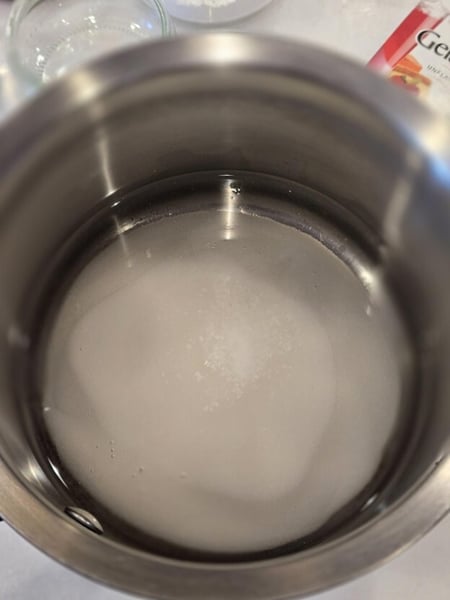
3. In a small pot, combine remaining 1/2 cup (113g) cold water, granulated sugar, corn syrup, and salt. Place on low heat, stir until sugar is dissolved. Place a candy thermometer on the side of the pot.
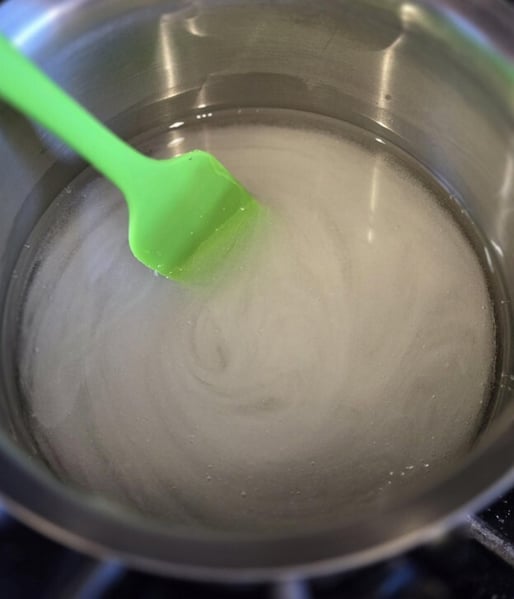
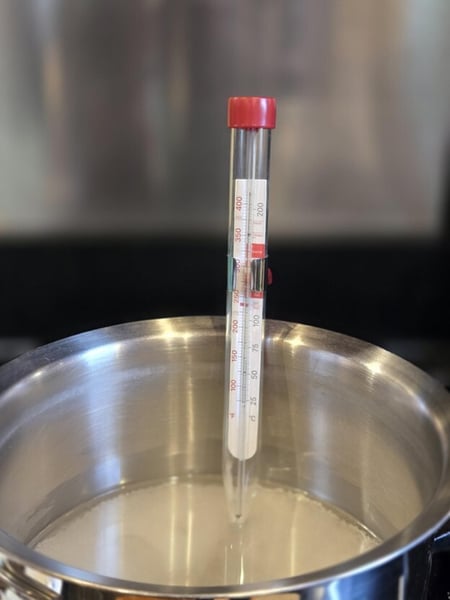
4. Turn the heat up to high and cook, without stirring until the thermometer reaches 240 degrees (soft-ball stage). Remove from heat and allow syrup to drop in temperature to 220 degrees.
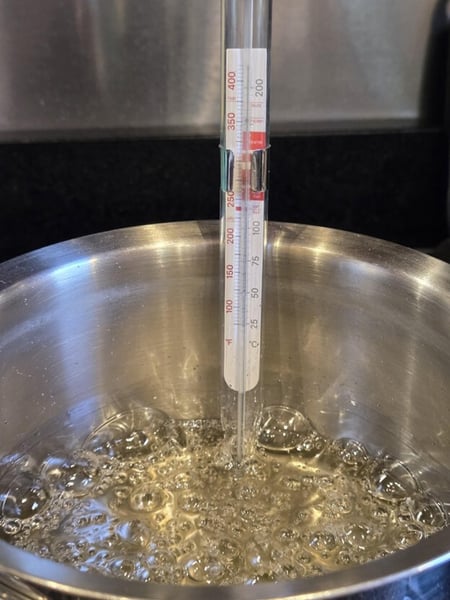
5. Turn the mixer on low speed, and slowly stream the syrup down the side of the bowl into the gelatin mixture. Add vanilla and food coloring if desired. Turn the speed up to high and whip until the mixture is thick, fluffy, and shiny, about 8-10 minutes.
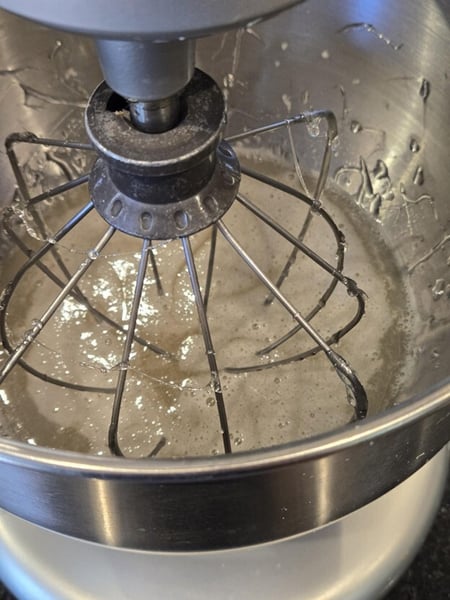
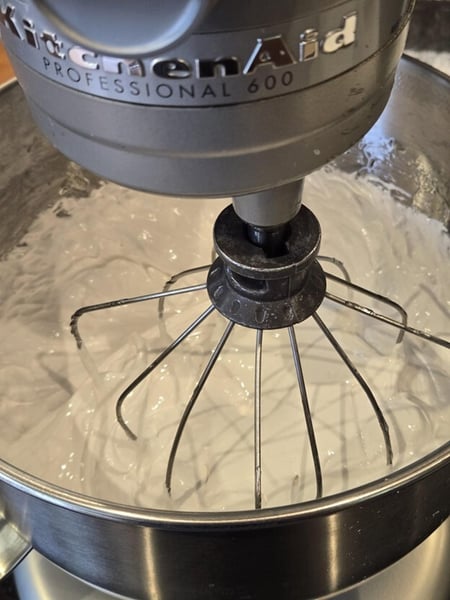
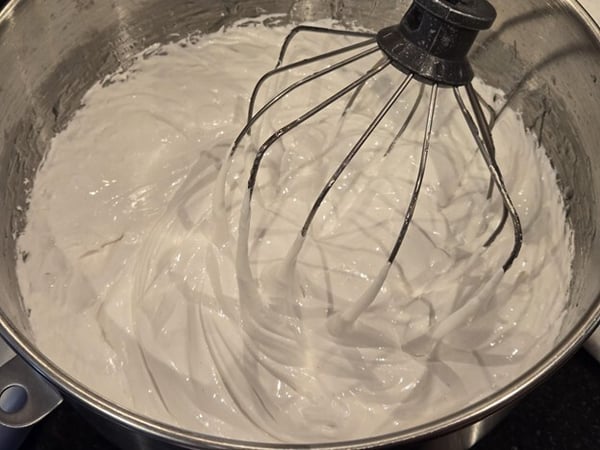
6. Working quickly, scoop out marshmallow mixture with a silicone spatula and spread into the prepared pan. Smooth and flatten out the top of the marshmallows.
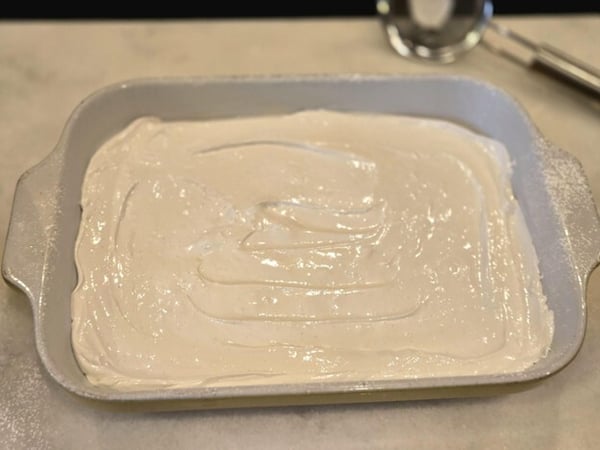
7. Sift or sprinkle powdered sugar/cornstarch mixture on the top. Allow marshmallows to sit for at least 4 hours or overnight.
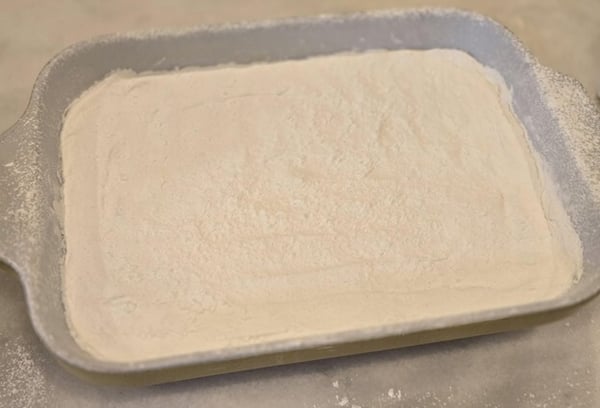
8. Dust your work surface with powdered sugar/cornstarch mixture.
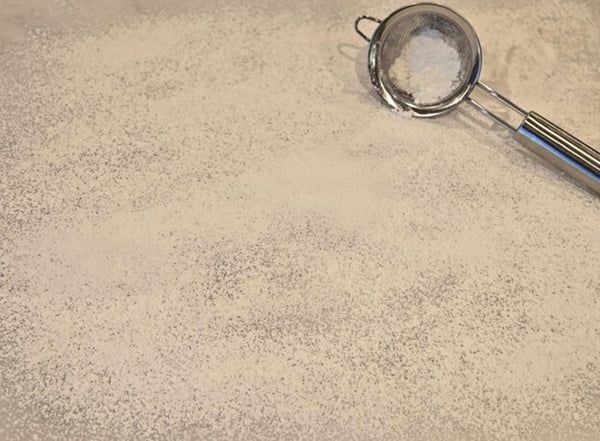
9. Using an offset spatula, loosen the edges of the marshmallow from the pan. Invert the pan onto the prepared surface.
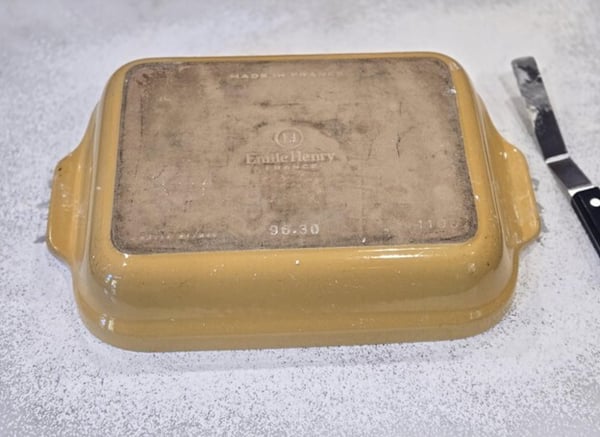
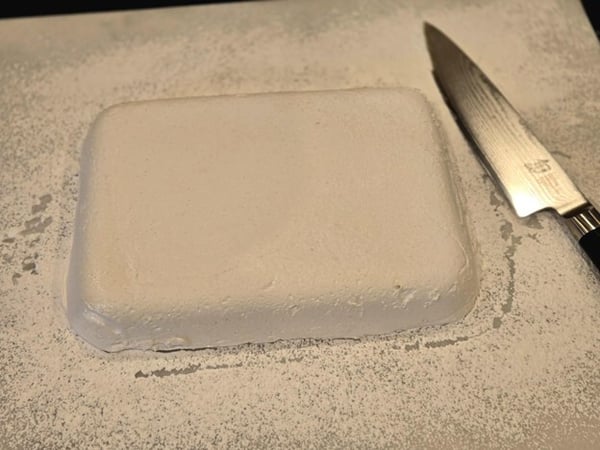
10. Using a sharp knife, cut the marshmallow into 1 to 1 1/2 inch squares (or desired size).
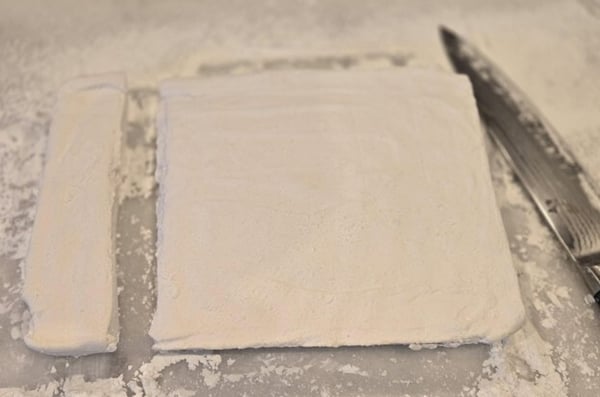
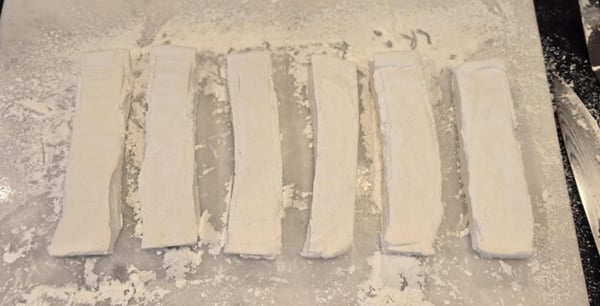
Pro tip: Coating the blade of the knife with extra powdered sugar/cornstarch mixture helps the marshmallow not stick so much. If it gets really sticky, run your knife under hot water and wipe it dry, this will help make clean cuts.
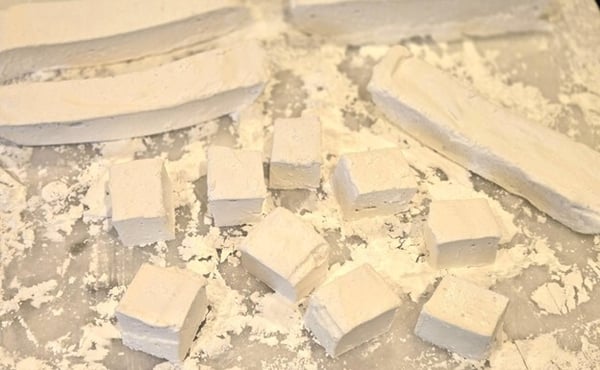
11. Roll the cut marshmallows in powdered sugar/cornstarch mixture so they are no longer sticky. Toss them in your hand to remove any excess.
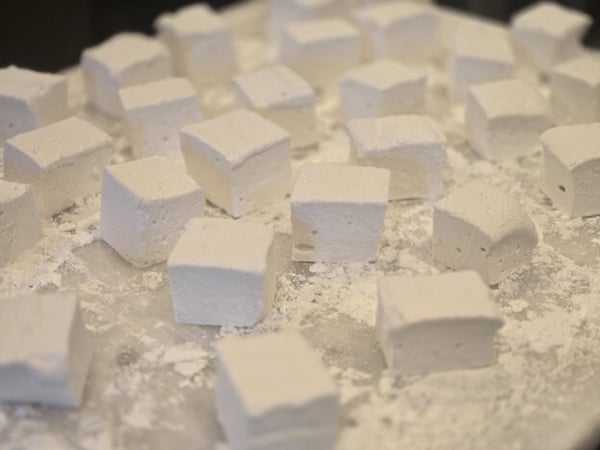
The soft-ball stage is a point in the candy making process where the sugar syrup reaches a temperature of 235-240 degrees F, resulting in a syrup that forms a soft, pliable ball when a small amount is dropped into ice water. The consistency of the syrup is flexible enough to be molded in your fingers but flattens when removed from the cold water.
Corn syrup is imperative for candy making, as the inverted sugar in it helps prevent crystallization. Granulated sugar, or sucrose, is a disaccharide that easily forms crystals when heated and cooled. Corn syrup is a mixture of different sugars including glucose, maltrose, and dextrose. This disrupts the formation of regular crystal structure, allowing the sugar mixture to remain a smooth syrup after cooking. Corn syrup also contributes to the soft, fluffy and stretchy texture. Corn syrup is a humectant, meaning it helps retain moisture in the finished product. This keeps the marshmallow from drying out and maintains its freshness and softness over time.
Gelatin is a colorless, flavorless, and odorless substance derived from collagen, a structural protein found in the connective tissues of animals (skin, bones, tendons, and cartilage). When collagen is partially hydrolyzed (broken down by boiling in water) it becomes gelatin, a jelly-like substance that dissolves in hot water and gels when cooled.
Storing marshmallows:
- Store in an airtight container at room temperature with parchment or wax paper in between each layer. These will last for up to a month or longer if sealed properly.
- Freezing marshmallows can extend the shelf life even longer. Freeze in an airtight container, separating each layer with parchment or wax paper so they don’t stick together.
- Package in bags or boxes to give as the cutest gifts.
Making marshmallows is a very hands-on, tactile process. Want to learn another fun, hands-on project? Learn how to shape mozzarella and make ricotta cheese in our new hands-on cheese class coming up on Tuesday, September 30 at 6pm.
If sweet treats are more your jam, The Chopping Block has a hands-on Gluten-Free Baking and Pastry class on Saturday, October 11 at 11am at Lincoln Square.
