
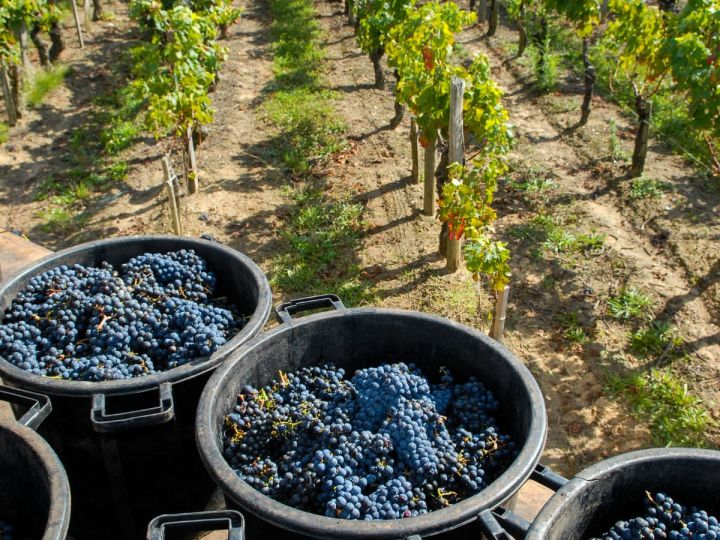
Even if you’re an occasional wine drinker, those occasions – along with wine shopping, wine gifting and entertaining with wine – are set to increase as we head into the holiday season.
In hopes that your wine enjoyment increases too, here’s a primer on wine basics.
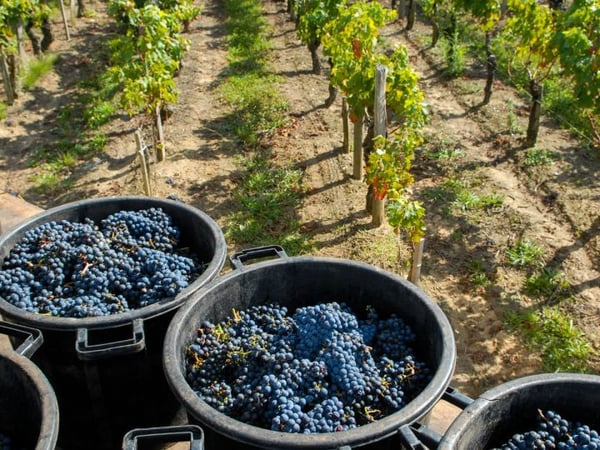
Follow the Grape
The first step in wine enjoyment is learning your favorite grapes.
The grape (or grapes) that make up the wine is the most important factor in wine’s flavor. Grape scientists have catalogued about 8,000 wine grapes but you can start with one, such as:
Chardonnay: The top-selling white wine grape in the U.S., Chardonnay is often described with apple or pear flavors. While traditionally dry (i.e. with little to no sugar), mass-produced Chardonnay can be sweet. California started a trend of oaky Chardonnay which is subsiding now. Chardonnay tends to be a rich white wine, to pair with rich foods especially when prepared with butter, including veggies, seafood, poultry and even meats.
Riesling: The belief that Riesling is sweet isn’t necessarily so. The grape’s range of flavor, which is complemented by refreshing acidity, makes Riesling a foodie’s darling. Styles range from bone-dry to juicy stone fruit to heavenly honey, pairing with the widest range of cuisines, including spicy dishes such as spicy sausage and Asian cuisine.
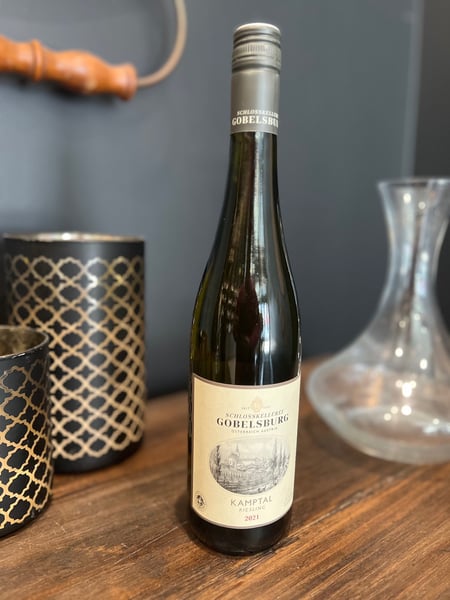
For shellfish and sushi try a minerally, dry Riesling, such as Austria’s Schloss Gobelsburg "Gobelsburger", $31.50.
Cabernet Sauvignon: The top-selling red wine grape in the U.S., Cabernet Sauvignon produces rich, red wines, with ripe red berry flavors and firm tannin that “grips” the palate. Cabernet Sauvignon is almost always matured in oak. Serve Cab with rich (but not spicy) foods, especially red meat.
Pinot Noir: The only grape with its own Oscar-winning movie, Pinot Noir is known for cherry flavors, silky texture and medium body to complement lighter red meats and rich poultry especially when prepared with fruit, such as turkey with cranberries. Pinot’s unique savoriness also complements mushrooms, soy sauce and aged meats.
When you’ve determined your favorite grape, consider these next three factors.
Climate: Cool versus Warm
Every aspect of climate influences grape flavors including cool versus warm climates.
Cool climate produces wines with low alcohol (as low as 8% alcohol) and high acidity. Warm climate produces wines of high alcohol (16% and up) and low acidity. If you like a heavy weight champion of a wine, choose your favorite grape grown in warm California, Washington State, southern France and southern Italy. For lighter flavors, choose your grape grown in cool Oregon, northern France, Alpine Italy and Chile.
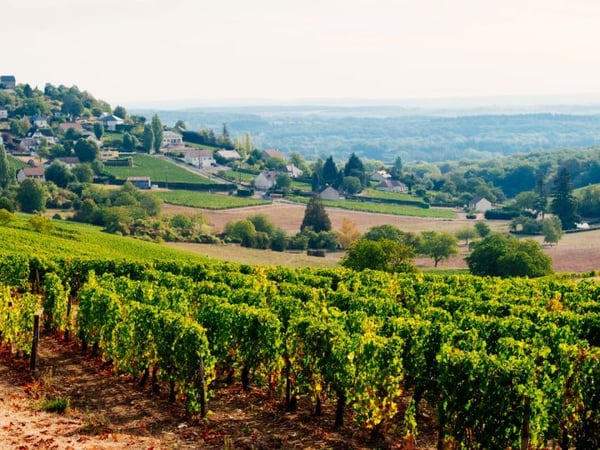
Soil: Rocky versus Non-Rocky
Soil is so integral to winegrowing that producers often introduce themselves not with their names but with “Our soil is blue slate” or “Our vineyards are Franciscan marine sedimentary materials with volcanic deposits”. Absent a degree in geology, you can start with rocky and non-rocky soil.
Do you like chewy wine with concentrated flavor and texture? If so, look for your grape grown in rocky soil, in mountainous regions like Germany, Italy, Washington State and any wine with “mountain” in its name. If kinder, gentler wines are your jam, turn to non-mountainous regions like France and Oregon.
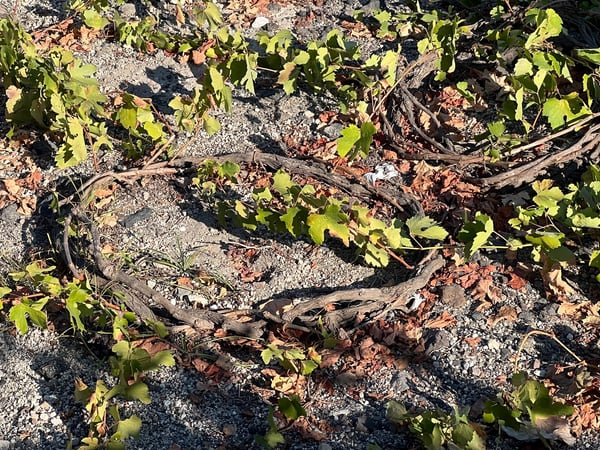
Vines in Santorini, Greece
The Human Touch
Wine is self-producing liquid that needs no human influence. But no one will argue that the bubbling goo found by cavemen could be more enjoyable than the clean, vibrant flavors offered by winemakers today. Human influence is divided into three parts:
Law: In the Old World (France, Italy, etc.), wine is strictly controlled by law, which governs every step from the time the vine is planted to when the bottle leaves the winery. You’ll need to check where your favorite grape is permitted because it may not appear on the label.
New World producers are free to experiment, with laws primarily dictating “Pay your taxes and don’t poison anyone.” In 1947, the U.S. began labelling wines with grapes.
Winegrowing/ winemaking: In the vineyard and winery, producers make a myriad of decisions including which grape is planted, whether the wine is matured in oak or not, all affecting the final flavors of your grape and wine. In the Old World, these decisions are primarily governed by law.
What’s going on: As one of mankind’s oldest beverages, human events have had enormous influence on wine. For instance, our transient society has led to ready-to-drink wines that don’t require personal wine cellars.
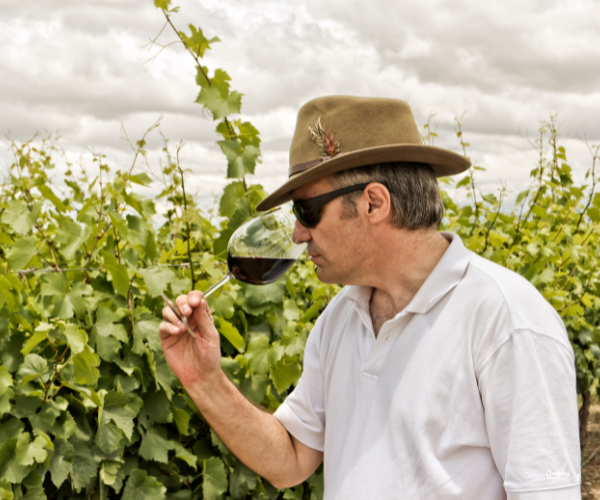
The Best Wine Understanding
No matter what’s your flavor preference, the best understanding of wine comes thru pairing it with food!
You can test the “rules” of wine and food and decide on rules of your own during Culinary Heaven: Wine and Cheese Pairing on Friday, September 5 at 6:30pm.
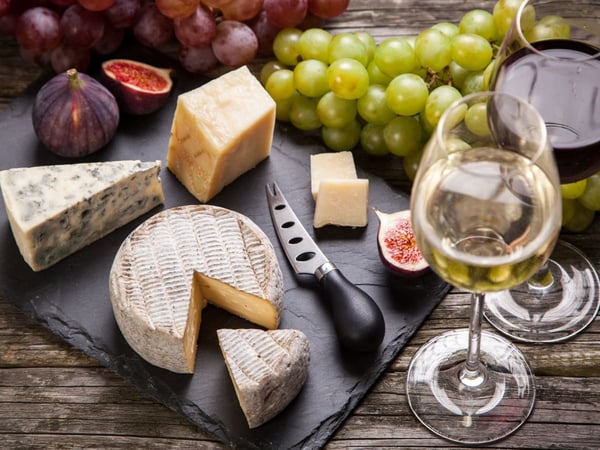
The marriage of wine and cheese is one of our most exciting taste sensations, from easy appetizers to an elegant cheese board, even Mac ‘n Cheese. Join us to learn the secrets of successful wine and cheese pairing in this tasting of 5 prominent cheese styles mixed-&-matched with 5 wines. This seminar is fun and delicious for all wine and food lovers!