
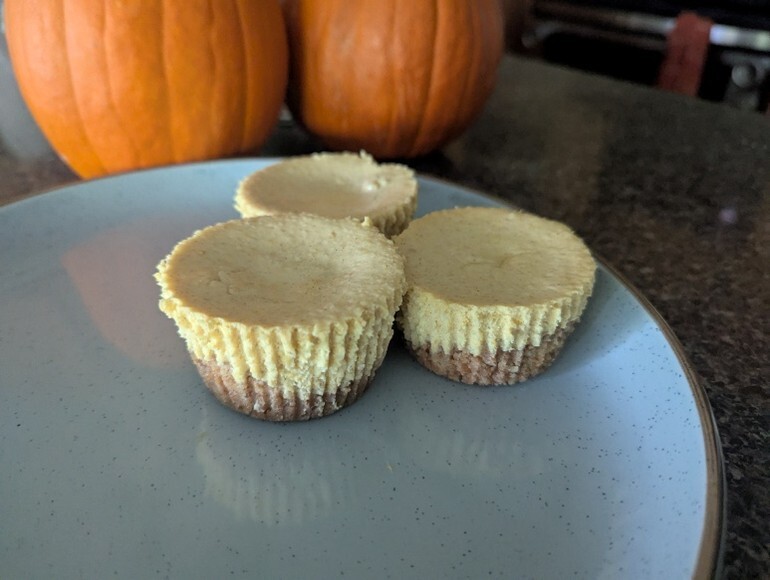
I love cooking with fresh pumpkin, and I’m not just talking about pumpkin spice or pumpkin pie. I mean savory applications, too. Every pumpkin season, I stock up on as many varieties as I can find. Each type has its own unique flavor and, in many cases, impressive nutritional properties.
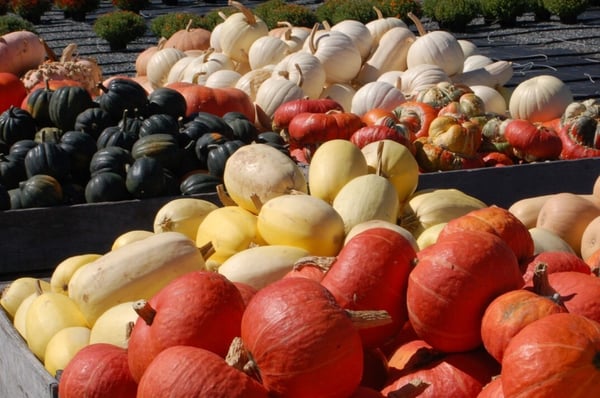
Pumpkin Varieties
The most common baking pumpkin is the Sugar Pumpkin, also known as the Pie Pumpkin. It has a sweet, well-rounded flavor—what I like to call the “starter variety.” It’s easy to find and even easier to use. In the recipe below, I used a Pie Pumpkin to make mini pumpkin cheesecakes. They’re slightly sweet with a rich pumpkin flavor and a touch of cinnamon.
But let’s not stop at sweets—pumpkin is incredibly versatile in savory dishes, too.
While technically all pumpkins are edible, decorative or carving pumpkins often have bland flavors or tough textures. I always recommend checking online before purchasing a pumpkin for cooking.
One variety I’ve loved using is the Cheese Pumpkin, which I turned into ravioli. Despite the name, it doesn’t taste like cheese—it has a soft, mellow pumpkin flavor with a creamy texture. Other edible varieties include Cinderella, Jarrahdale, Lumina, and Peanut Pumpkins.
I’ve also used Pie Pumpkins in savory dishes like pasta sauces, soups, and even as a water substitute in pasta dough. Laura has listed some more specific inspirations for pumpkin usages in her blog post as well.
Edible Parts & Nutrition
The edible parts of a pumpkin include the skin, flesh, and seeds—each offering different nutritional benefits. Overall, pumpkins are a great source of:
- Healthy carbohydrates
- Fiber
- Protein
- Polyunsaturated and monounsaturated fats
- Carotenoids (which give pumpkins their vibrant color)
Pumpkin seeds are especially rich in minerals like zinc, magnesium, potassium, phosphorus, and selenium. All of these nutrients contribute to potential health benefits such as reduced risk of cardiovascular disease, cancer, and diabetes, along with antioxidant and anti-inflammatory properties.
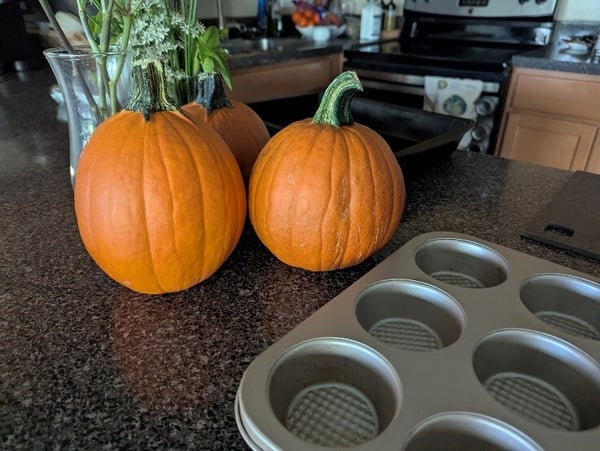
How to Break Down a Pumpkin
Breaking down a pumpkin is similar to working with butternut squash—they’re all part of the gourd family. Here’s how:
- Cut the pumpkin in half and scoop out the seeds and stringy flesh.
- Depending on your recipe, you can either:
- Roast the halves until soft.
- Cut into smaller pieces and roast.
- Leave the skin on for salads or remove it for blended dishes.
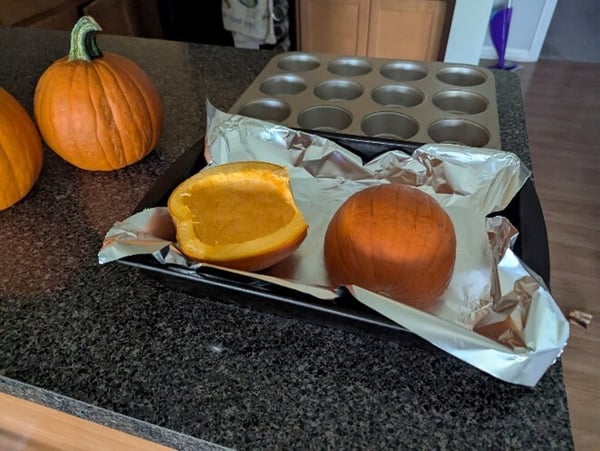
Yes, the skin is edible—but I find it a bit stringy when blending, so I usually skip it in purees. If you are a more visual learner though, we have a video you can reference.
Pumpkins aren’t just iconic for spooky season—they’re a seasonal, nutritious, and versatile ingredient we should all embrace in our kitchens. If you are ready to jump into the fall season as much as me, I suggest you join our Fall Feast on the Patio on Friday, October 17 at 6pm or our Meatless Monday: Fall Vegetable Harvest on Monday, October 27 at 6pm.
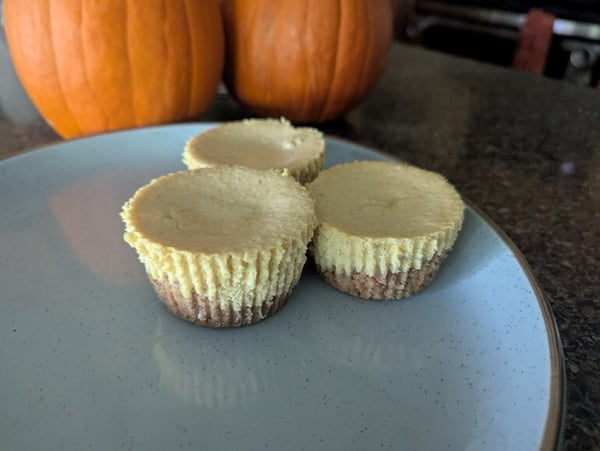
Mini Pumpkin Cheesecakes
Yield: 12 mini cheesecakes
Prep Time: 25 minutes
Cook Time: 30 minutes
Total Time: 55 minutes
For the crust:
1 1/2 cups graham cracker crumbs (crushed in a bag or food processor)
1 teaspoon agave
1 tablespoon brown sugar
7 tablespoons melted butter
1 teaspoon ground cinnamon
For the filling:
24 oz cream cheese, softened
1/2 cup brown sugar
1/2 cup white sugar
1/3 cup Greek yogurt
1 1/2 teapoons vanilla extract
1 cup pumpkin purée (fresh* or canned)
1 1/2 teaspoon ground cinnamon
1 teaspoon ground ginger
3 large eggs, room temperature
- Preheat oven to 350°F and line a 12-cup muffin tin with cupcake liners.
- In a small bowl, mix crust ingredients. Divide evenly among liners and press firmly into the bottom. Feel free to press up the sides for extra crust.
- Chill crusts in the fridge while preparing the filling.
- In a stand or hand mixer, cream together cream cheese and sugars until smooth.
- Add yogurt, vanilla, pumpkin, cinnamon, and ginger. Mix until fully combined.
- Add eggs one at a time, scraping the bowl between additions.
- Divide filling evenly among crusts (about 1/4 cup each). Fill to about 1/4 inch from the top.
- Bake for 25–30 minutes, until centers are set but slightly jiggly.
If using Fresh Pumpkin
- Wash the pumpkin.
- Cut in half and scoop out the seeds (save and roast for a snack!).
- Place cut-side down on a foil-lined baking sheet. Roast at 350°F for 30–40 minutes until soft.
- Let cool, then remove the skin.
- Mash by hand or blend. If baking, strain through cheesecloth to remove excess moisture.
