
“Be nice to squirrels,” my mother would tell me growing up, “don’t forget that you’re part squirrel”. Veverka is both the Czech word for squirrel, and my mother’s maiden name. While most would understand that being ‘part squirrel’ is a figurative statement, I do believe that my mother takes it quite literally.
To this day she will take offense when my Jack Russell terrier chases squirrels out of my yard and into the alleyway. Thankfully, the dog hasn’t caught one yet. Veverka is a beautiful name and the importance of food and history with our family is something I intend to pass along and keep alive for generations.
From 1880 to 1920, five million Czech, Polish, Austrian, Slovakian and Hungarians emigrated from Europe seeking greater economic opportunity. They were also seeking liberties from political oppression, overpopulation and disease. Most immigrants settled in various parts of the United States, including New York, Baltimore, St. Louis and Chicago. For many that made the journey, there were surprising difficulties. The streets were not, in fact, paved with gold. Poverty and hard living were a fact of life for many. Around 30% of all Europeans that came to America during that period eventually returned to their homeland. My ancestors did not.
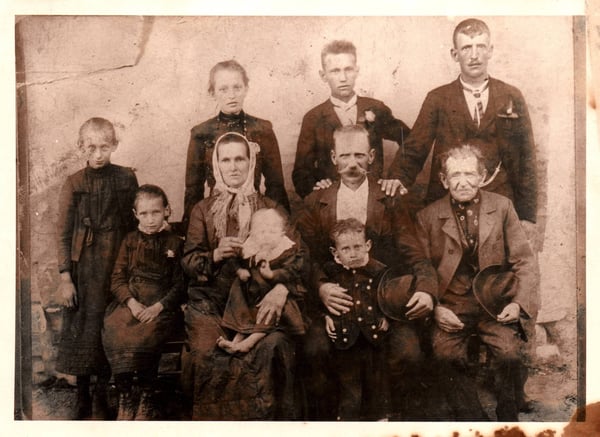 The Veverka Family near the turn of the century in Tezkov, Bohemia
The oldest available record of the Veverka family name can be traced back to the mid-18th century. Many of the maiden names married into the family and birth and death dates were not recorded, but Jan Veverka was believed to have been born near 1742. He was my 6th great grandfather. I thank my grandfather John E. Veverka for having the providence to handwrite detailed family history in a journal before he passed in 1976.
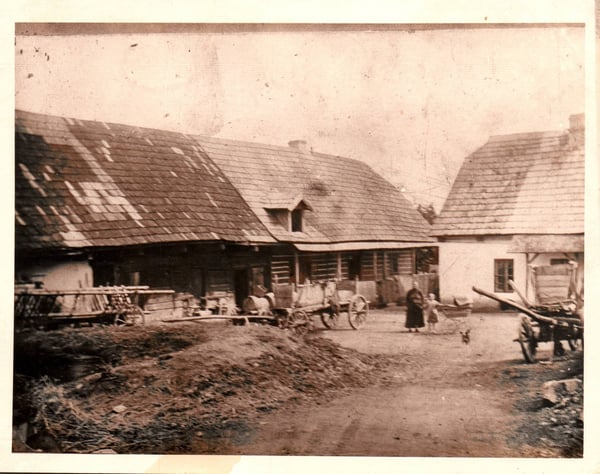 The Veverka Farmyard, Tezkov, Bohemia
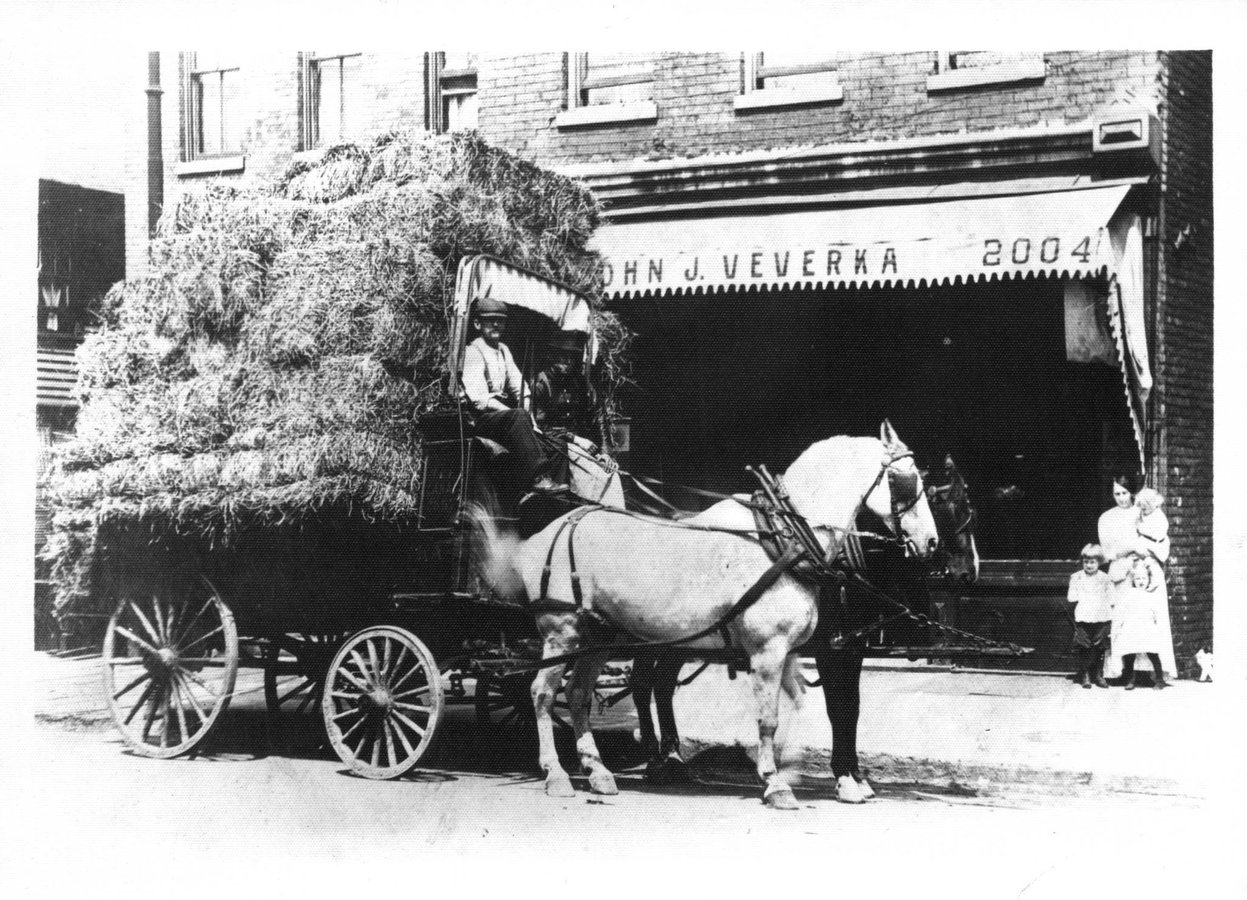
My great-grandparents were both originally from Tezkov, Bohemia (now Czech Republic) where they labored as farmers and ran a small guesthouse. They came to America at the turn of the century. They settled on the west side of Chicago where my great grandfather worked as a laborer in a coal yard and saved money to open a hay and feed store near 20th and Damen and later a nearby corner grocery store. My great grandmother worked as a housemaid for a family that she admired dearly. While I never met my great grandparents, their stories, handwritten journals, oral histories, recipes, photographs and memories remain to share with new generations including my 13 year old daughter and 16 year old son.
 John J. Veverka outside the family hay and feed store
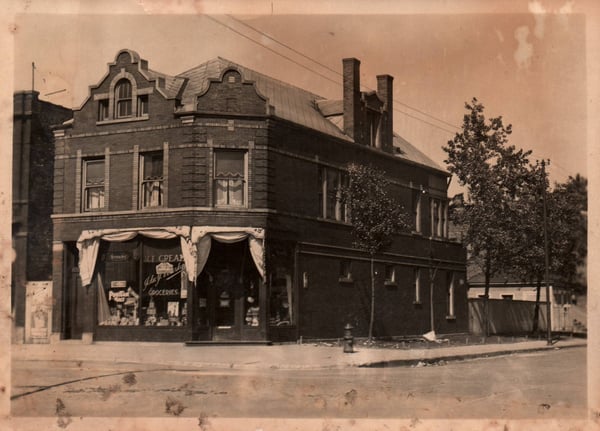 The John J. Veverka Grocery Store
My cousin Cheryl once wrote, “The importance of food in our family’s history goes far beyond nourishing the body and providing enough sustenance to get us through our daily activities. It was also a virtual manna sent from heaven to bring us together and comfort our souls”. Thoughts of growing up around Veverka gatherings conjure olfactory memories. Knedliky (Czech dumplings), Houska (braided Czech bread rolls), sweet and sour red cabbage, garlicky sausages, Batter Fried Chicken Livers, caraway studded roasted duck with skin so perfectly thin and crisp it would shatter like a crème brulee topping. And desserts – Apricot squares, coffee cake, and of course Grandma Irene’s famous Kolache.
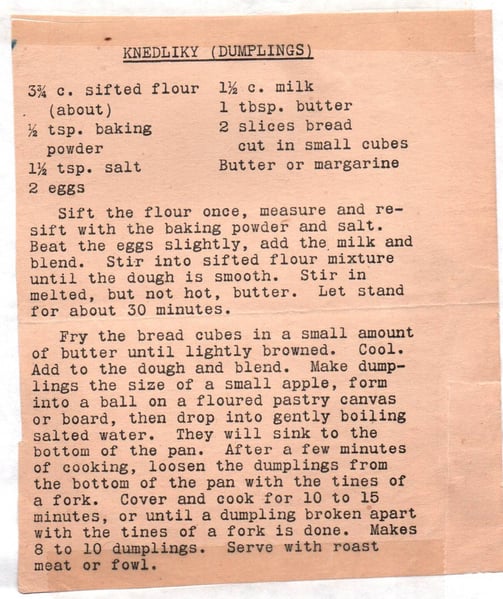 Gatherings were not without a fair share of dishes and recipes that define both Americana and Chicago. Amazing fried chicken salad, sloppy joes from scratch, Kielbasa with sauerkraut, breaded pork chops, lamb stew, chicken noodle soup, buttered noodles, JELL-O molds, oatmeal cookies and chocolate pudding.
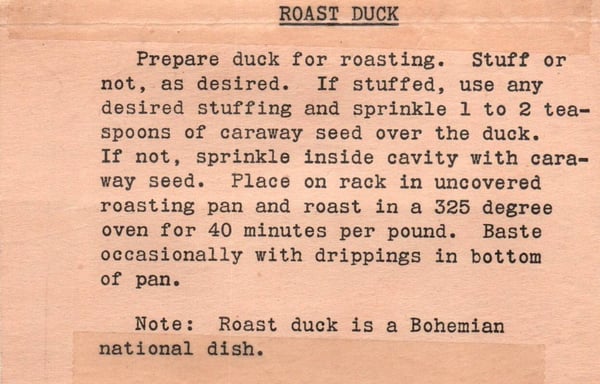 I have been rather diligent in the past couple of decades to gather, preserve, digitize, catalogue any and all family historical resources. I have taken possession of my grandmother Irene’s very extensive collection of recipes. There are hundreds of handwritten recipes, newspaper clippings, recipe cards in her and in her friends’ handwriting. The workload for this seemingly never-ending project is massive and at times, I feel I have bitten off more than I can chew. But it’s an important task.
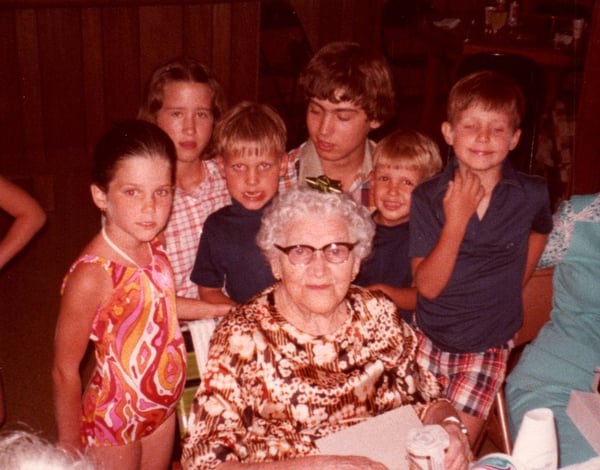
Most of the maternal side of my family have moved out of the Chicago area. There is less of my European culture and roots to connect with in the city today. It’s important to connect with the past and preserve the traditions, recipes and flavors for future generations.
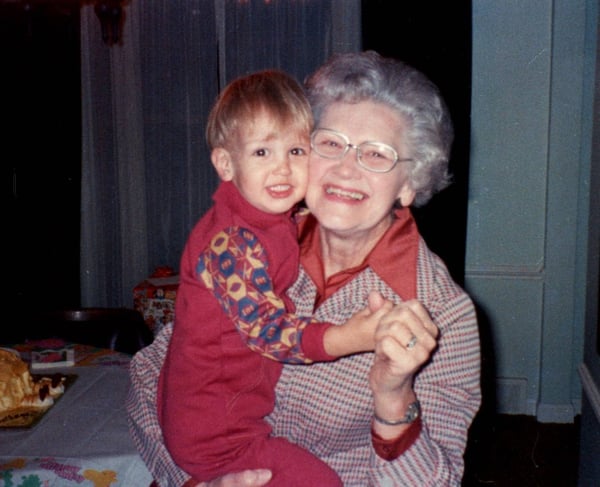 I feel fortunate to be working with The Chopping Block. They are an amazing resource to be able to connect with the history of food, flavors and culture. Whether you are Filipino, Greek, Sicilian, Japanese, or you just want a bit of Americana… there are always classes available to help you strengthen your connection with your past and your culture.
- Hands-On Savoring Sicily Saturday, August 2 6pm
- Hands-On Smash Burgers on the Grill Saturday, August 2 6pm
- Hands-On Sushi Workshop Tuesday, August 5 6pm
- Hands-On Mediterranean Mezze Wednesday, August 13 6pm
- Hands-On Filipino Feast Friday, August 29 6pm
And please, don’t forget to be nice to squirrels!
