
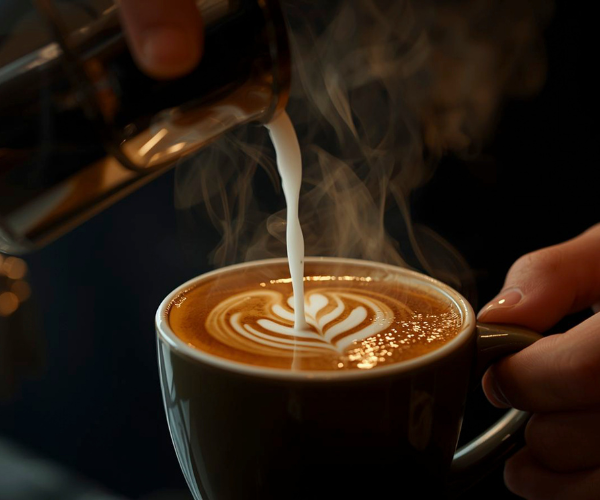
The cold snaps that ring in the fall season have finally come, and with brisker weather many people find themselves reaching for a hot coffee over their summer cold brews and lattes. Whether you are looking to impress the folks during their holiday trip, save some cash on your daily brew, or just want to perfect the brew that goes with all of your fall baking, there are many ways to brew cafe-quality drip coffee on your own.
Choose your Brewing Method
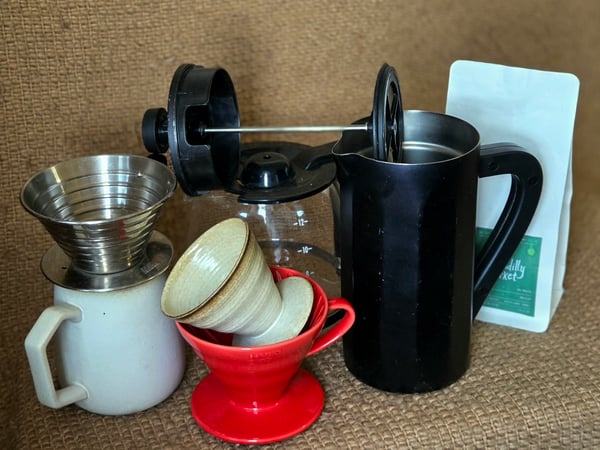
There are many different kinds of coffee brewers out there, and none of them are exactly the same. Auto-drip machines are the most common kind of brewer in most households, and their efficiency, consistency, and ability to brew large batches makes it clear why. Others might use French presses, while enthusiasts reach for a pour-over — but what is the difference between all of these brewers, and why does it matter?
It all has to do with the flavor of the end product. No matter what type of brewer you use, the coffee itself will undergo one of two brewing processes: percolation brewing or immersion brewing.
Immersion
Immersion brewing is a method in which the coffee is immersed in the water without moving. The most common example of this is a French press, but cowboy or campfire coffee is also a good example of this method. With the coffee and water remaining in full contact for the entirety of the brew, and very little agitation involved in the method, immersion brews tend to result in a coffee cup with a heavier texture, sharper bitterness, and bolder flavor profile overall.
Percolation
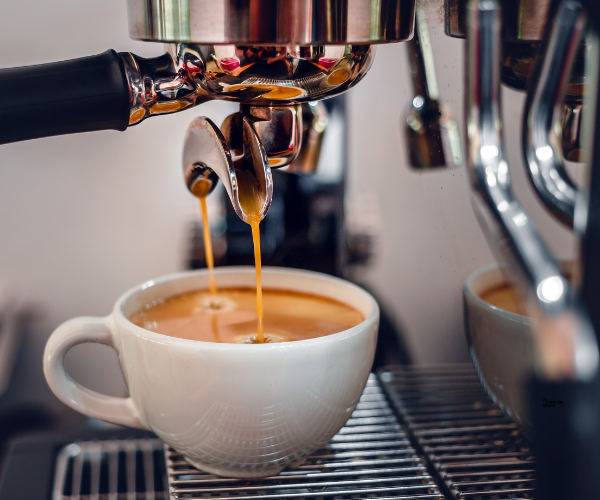
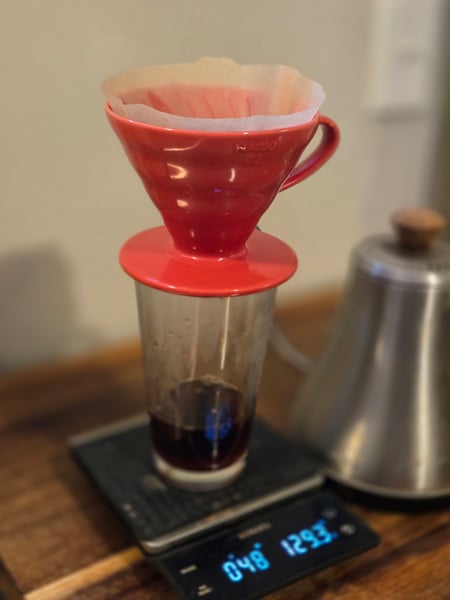
Percolation brewing is a method in which fresh water moves through the coffee bed, as in traditional auto-drip or pour-over brews. The repeated addition of small quantities of fresh water, as well as the agitation of adding more water, increases extraction of flavor, texture, and aromas from the coffee. Generally, percolation brews will have a more acidic flavor, softer texture, and an overall more delicate profile.
It is important to remember that no one brewing method is better than the other. Each brewer provides its own profile to the final cup, and you can experiment for yourself to discover which method best suits your needs. Regardless of the brewer you choose though, there is something much more impactful in your final cup — the beans themselves.
How Do I Pick my Coffee Beans?
Much like grapes in wine, the coffee beans you choose have a profound effect on the final cup you brew. You've probably already heard some of the common buzzwords: "100% Arabica", "City Roast", "Bold flavor", etc. — But sorting through what's important and what is just marketing can be a difficult task in itself. In order to pick the right bag of coffee, there are three pieces of information that you always need: The roast, the origin, and the roast date.
Roast
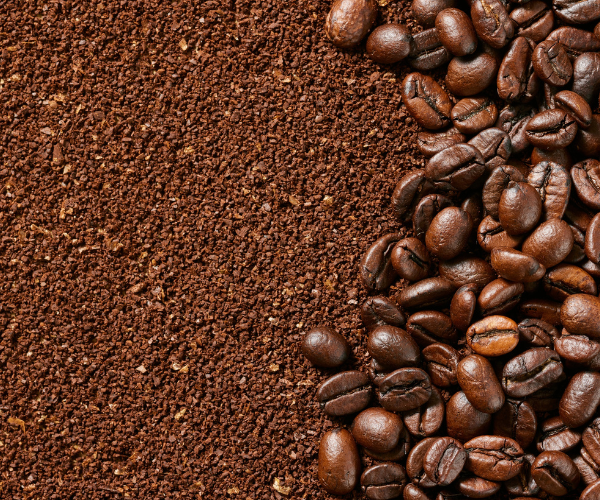
The roast of a blend refers to how long the coffee spent in the roaster before packaging, typically ranging from Dark, Medium, and Light roasts. There is no hard-and-fast rule of what makes a coffee a "dark roast" or a "light roast", but light roasts have generally been roasted for three to five minutes, where dark roasts are roasted for (relatively) much longer, often more than 10 minutes.
Every coffee is unique, but lighter roasts typically will have a fruitier and more acidic flavor, but require more aggressive brewing methods for proper extractions. Darker roasts will typically have a more chocolatey, nutty, or bitter flavor, and can over-extract much easier than light roasts.
You may have heard that light roasts have more caffeine than dark roasts, or vice versa. In truth, the caffeine content of a bean is determined more by its growing and processing conditions than how long it has been roasted; There are dark roasts that are highly caffeinated, and decaffeinated light roasts — What matters most is how it tastes to you.
Origin/Varietal
The origin of a coffee refers to where in the world it was grown and processed prior to roasting. As an organic product, coffee is affected by its environment and terroir just as much as wine or tea. One origin will lend towards a nuttier profile while another origin can lend towards a fruitier one, even though both growers are using Arabica beans.
The varietal, alternatively, refers to the specific genetics of the coffee plant. The most common varietal (over 75% of the coffee produced in the world!) is Arabica, but there are many other varietals of coffee that offer their own unique profile. Especially in the modern industry of coffee, the careful shopper can find endless new varietals to try, such as Geisha, Caturra, Bourbon, and more.
Freshness
The freshness of a coffee refers to how long ago the specific batch of coffee was roasted. Whole bean coffee stays fresh the longest — usually about a month from roasting before the profile is considered stale. Ground coffee, however, can lose its freshness in 24 hours or less. When picking out a coffee bag for the week, make sure to get a whole-bean coffee that has been roasted closest to the day you are buying it to ensure the freshest and most robust flavor you can get in your cup.
As coffee prices rise and people find themselves brewing more cups at home, it can pay dividends to know what is going in your cup. Whether you drink coffee every morning or are just looking to get the coffee-lover in your life the right bag for the holidays, this information will help you cut out the chaff and get the most value out of your choice of beans.
Want to develop your beverage palate? Consider signing up for our Unexpected Holiday Wines tasting, where you can learn how to pick the perfect pours for your holiday table.
The Chopping Block's Chef/Owner Lisa Counts has suggestions on how to utilize coffee in your cooking, too!.
