
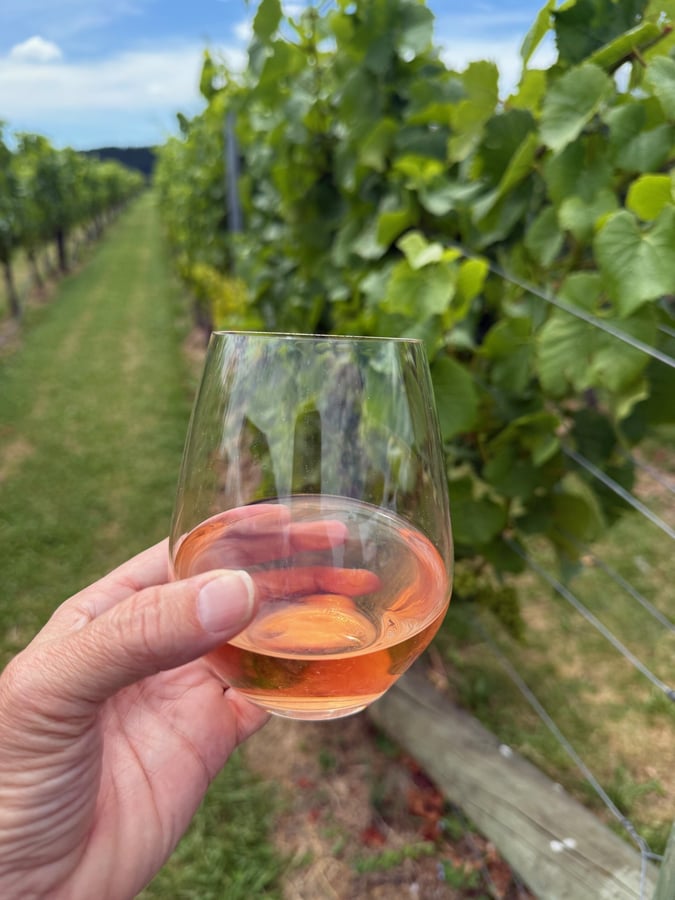
With Spring in the air (or at least soon on the calendar), it’s time for a refresher in rosè.
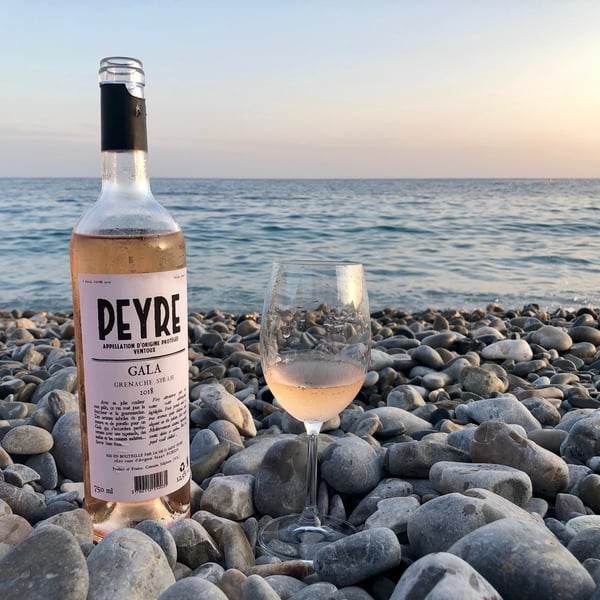
What is Rosè Wine?
Simply put, rosè (ro-ZAY) is the lightest of red wines. After that, details pile up.
Rosè (originally a French term) might be called pink, blush or white (generally in the U.S.), rosada (Spain), rosato (Italy) or œil de perdrix (partridge eye, Switzerland). It might be sweet or dry, delicate or powerful, bubbly or still, with a fruit bowl of flavors including strawberry and citrus, at everyday pricing or top shelf, with a whisper of alcohol or a knock-out punch… all depending on regional requirements and the international market’s preference.
One basic unites them all: Because nearly every grape has clear juice, red and rosè wines receive their color from red grape skins. Techniques include:
-
Maceration, (i.e., allowing red grape skins to soak with new juice), is the most widespread method. For red wine, skin contact might be five months; for rosè, maybe ten minutes.
-
Red wine is blended with white.
-
Saignèe (to bleed): At the earliest phase of skin contact, a portion of juice is removed (i.e. bled) from a red wine vat. This removal has the benefit of concentrating wine remaining in the vat.
Where is Rosè Made?
Rosè is generally made in everywhere that grows red grapes. Top regions are:
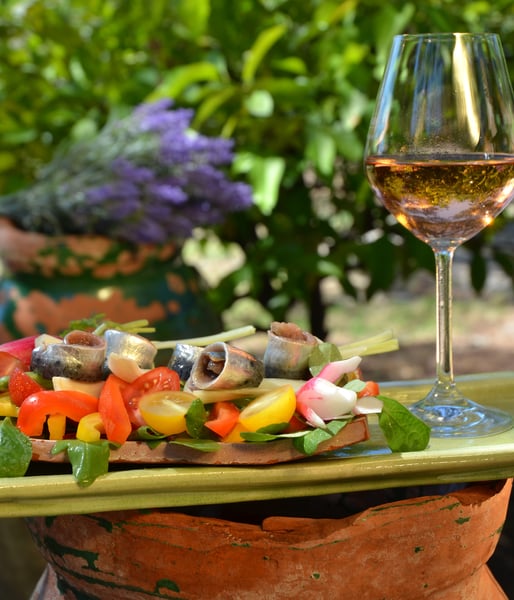
France: Provence and Cotes de Provence currently reign as the world’s chicest rosè region, slaking thirst and dominating shelves with delicate pink hues, firm acidity and mandatory dryness: no sugar may be added; natural grape sugar remaining after fermentation must be less than four grams per liter (g/l). (Many Americans perceive sweetness beginning at six g/l.) Often produced with a blend based on the Grenache grape, the wines are light in weight but rich in flavor, to complement flavory Provencal cuisine including Salade Niçoise, seasonings such as aioli (garlic paste) and tapenade (olive paste) and the world-famous fish stew, Bouillabaisse. The Chopping Block offers:
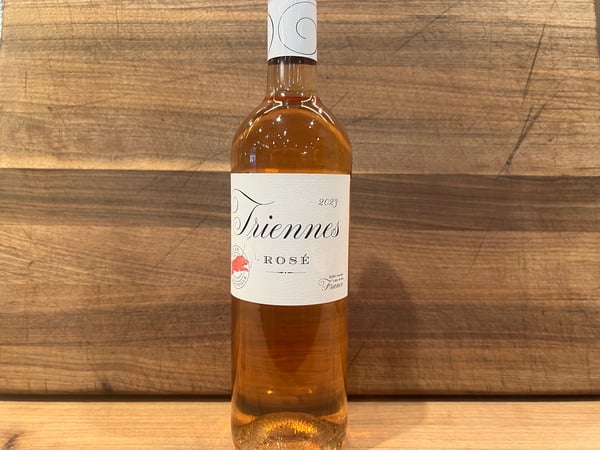
Rosé, Triennes, Provence, France | $26.00: From the epicenter of dry rosé, this vivacious pink is a natural for cocktails, to complement lighter cuisine or just to chill (your mood, as well as the wine). Easy complexity paired with elegance consistently ranks Triennes among the world's finest and favorite rosés.
Spain: Spain specializes in rich rosado. While the standard grape is Garnacha (identical to France’s Grenache), TCB offers this Pinot Noir-based bubbly:
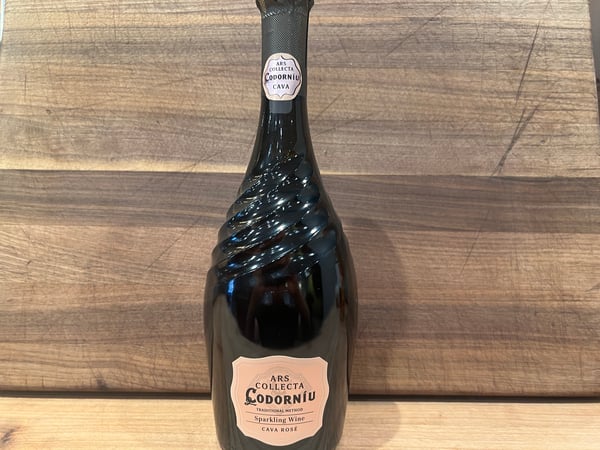
Cava "Ars Collecta" Rosé, Codorniu, NV, Spain | $25.00: Dry, firm, and flavorful with mineral complexity, this Rosé sparkler blends of Pinot Noir, Xarelo, and Trepat grapes to enhance a wide range of dishes, from rich tapas all the way to meats.
USA: The U.S. has made two world-famous additions to rosè.
In 1975, a winemaking snafu created White Zinfandel, like liquid cotton candy, that swept the world in popularity. Quick to make and sell, White Zin saved a cash-starved California, satisfying plenty of sweet tooths and profit-loss statements. While California now produces elegant rosès, White Zin is an easy porch-pounder and complement to a wide range of noshes, especially spicy dishes. Ribs and rosè – yum!
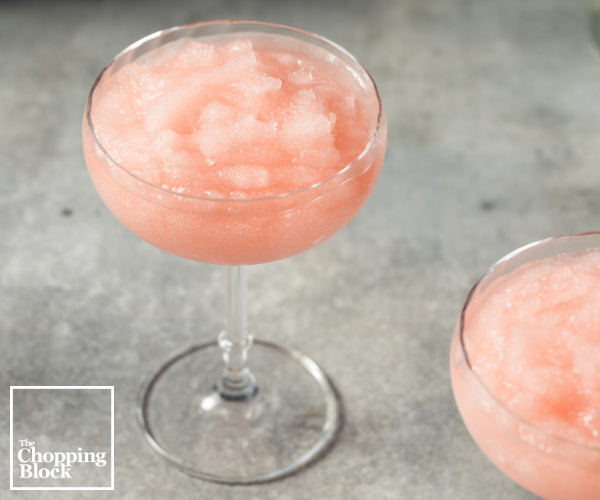
In 2016, a rosè slushie dubbed Frosè first appeared at New York City’s Bar Primi. Like White Zin, Frosè swept the world, while helping restaurants reduce inventory on rosès a little past their prime. Here’s TCB’s recipe.
How and When to Drink?
Drink most rosè young, only a year or two past the vintage date. In terms of season, pop your rosè when lilacs bloom in the Spring and enjoy straight through Turkey Day in the fall. In serving temperature, drink most rosè cool to cold. Go ahead, add a few ice cubes, the wine won’t care.
Who Drinks Rosè?
“Everybody” used to be the answer. But in the fickle U.S. market, rosè sales have fallen harder than in white and red wine. Between tariffs on European goods (remember when that was a crisis?) and over-supply, the rosè market is having a wobble. But aren’t we all?
Maybe it’s time to forget it all with a nice big glass of rosè.
On Friday March 27, join me for a new class, Passport to Wine: Old and New Worlds. We’ll taste Old World classics and their New World counterparts, to learn archetypal styles that all wine lovers should know, and discuss how human culture – including plague, revolution and the hottest celebrity wedding of the 12th century – created wines that we enjoy today. Seminar includes six international wines and tasting noshes. For more information and to register, please visit: Passport to Wine: Old & New Worlds
