
Even with some simple background knowledge, learning a new skill or even honing what you have can be daunting.
Questions such as:
-
What’s most important to learn?
-
What’s the best way to learn?
-
What’s the best way to approach practicing?
-
What are strategies for breaking old habits?
Guests attending Culinary Boot Camp express similar ideas. After about 40 hours of cooking and learning, they are sent home with binders of recipes, copious notes, filled bellies, and new friends. Likely, they also caught onto a few “catch phrases” used often at The Chopping Block.
As back-to-school season is upon us and another year of learning begins, I thought I would share some “ABC’s” of cooking. These are some phrases used at The Chopping Block that are simple to remember and may help simplify the cooking process:
1. Boil then simmer
This is the order of events when preparing soups, cooking, grains, braising, etc.. Simmering is cooking at a temperature just below a full boil. Simmering= small bubbles. Boiling= Big bubbles. You do this when you want to reach a cooking temperature quickly before switching to a safe heat for even cooking. Simmering prevents overcooking, burning and toughening. It allows ingredients to cook without the liquid evaporating too fast. In this way, ingredients develop flavor.
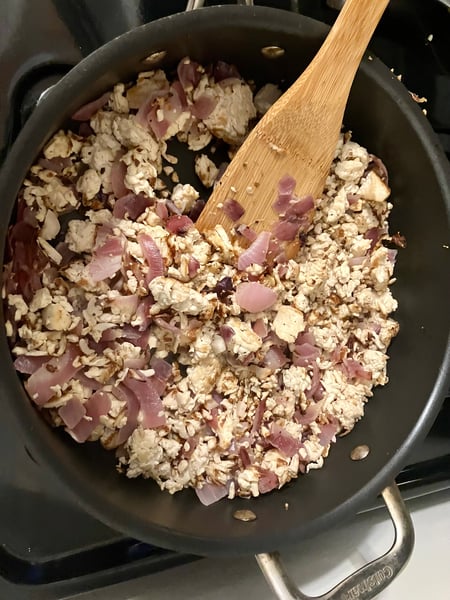
2. Color is flavor
We taste with our eyes. Food changing color during the cooking process is indicative of a change in taste. For example, when onions go from white → translucent → golden → deeply brown, flavor is developing through caramelization and Maillard reactions. If you aren’t sure a food is cooked enough, consider the color. Color is telling you flavor is developing. Color can also indicate fresh fruits, vegetables, and herbs.
3. Cook until it is done
I heard this from Chef Nolan. Read the recipe, consider the time it states, but trust yourself. If the cookies are golden brown, the cake is set, the sauce thick, the meat is firm, it might be time to enjoy a finished product.
4. Cook with all your senses
Good cooking is not just how well you follow a recipe by measuring and timing everything exactly. Pay attention to the whole process. Listen for the sizzle to know oil is hot enough. Look for the pasta to float to the top. Smell to know the aromatics (garlic, fennel, bay leaves, onions). See, as referenced earlier, your food change color. Cook by observation and intuition. You can improve upon what wasn’t ideal next time.
5. Deglaze with white wine
Similar to “boil then simmer,” this phrase is just to help you remember the sequence. Often when making pan sauces, paella, etc. there is a step involving “deglaze with wine.” Whether it is wine, water, or some other liquid, the deglazing helps lift flavorful bits called fond up from the pan. The liquid causes thermal shock and the steam lifts the food bits. This step occurs immediately after searing meat, sautéing vegetables, and before building the rest of the pan sauce.
6. Dry to wet
A phrase to remember when baking. Adding the dry ingredients to the wet helps evenly incorporate the ingredients, prevents overmixing, helps you control how fast the batter thickens. Even if a recipe states otherwise, you will be happy with the results by doing it in this order.
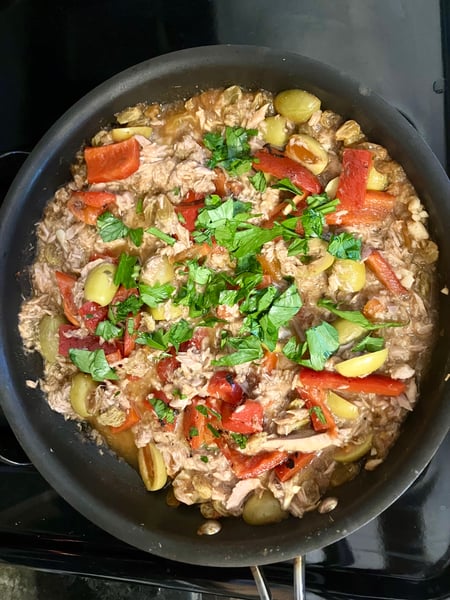
7. Finish with fresh
Add fresh herbs at the end of cooking or immediately before serving so their aroma and color remain fresh. Herbs’ flavor diminishes when heat is added.
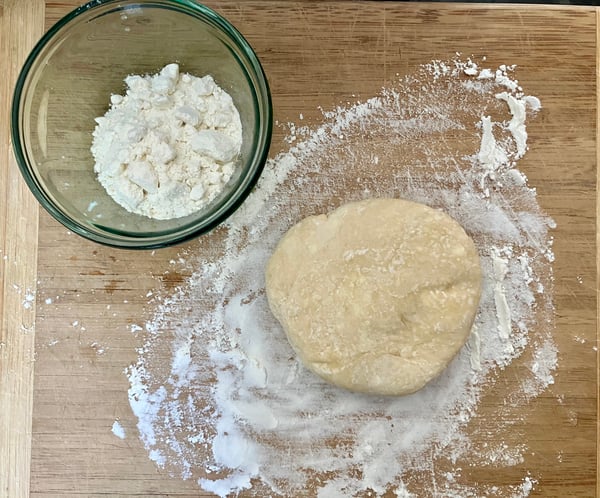
8. Keep flour on the bench
Bench flour is extra flour sprinkled onto a counter to keep dough from sticking. When you make fresh pasta and bread, have bench flour on hand, but don’t use it just because it is there. Too much flour will change the texture of the dough.
9. Low and slow
A cooking technique using relatively low temperature for a long period of time. This phrase is something to remember when cooking tougher cuts of meat. The collagen breaks down slowly resulting in soft and succulent meat. Low and slow is also effective for stews, chili, beans, caramelized onions, and tomato sauces
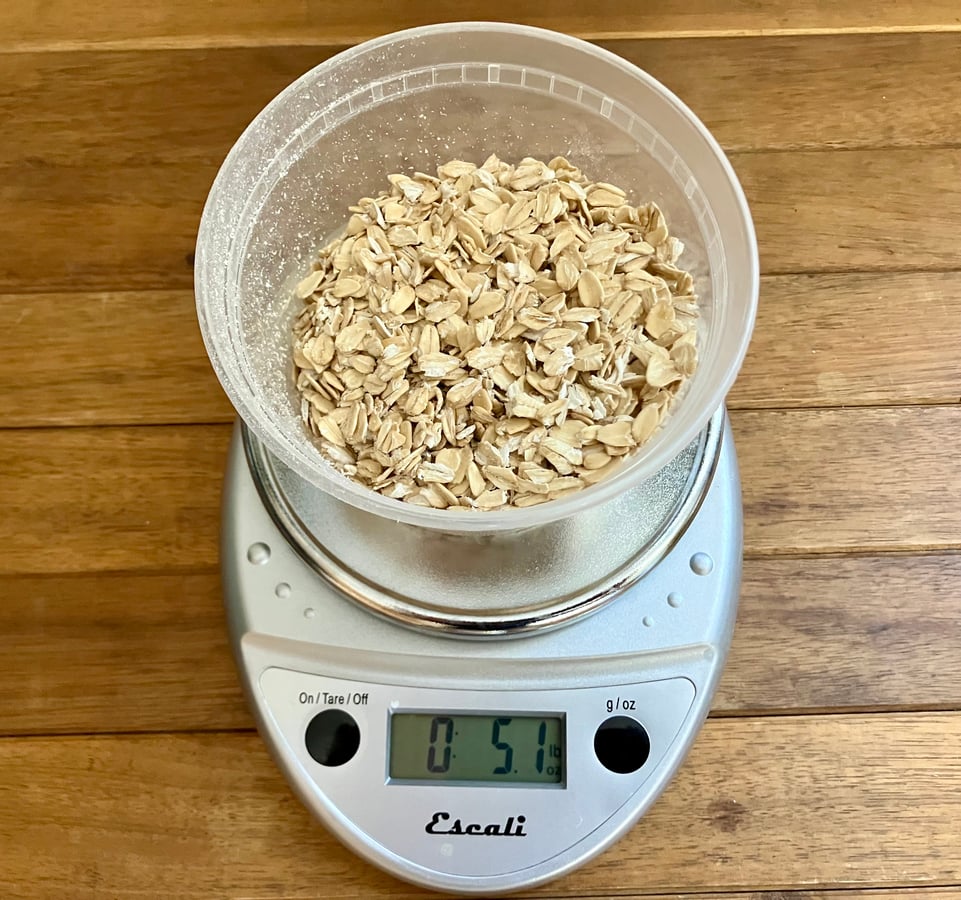
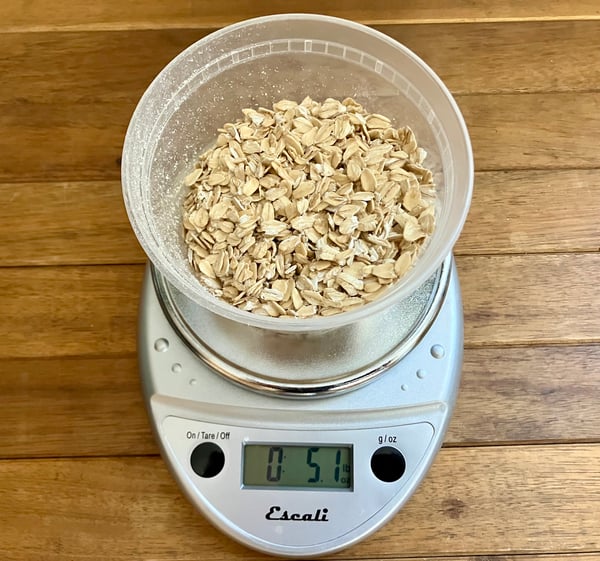
10. Measure by weight
The most accurate measuring for baking is by weight. Cups pack dry ingredients differently.
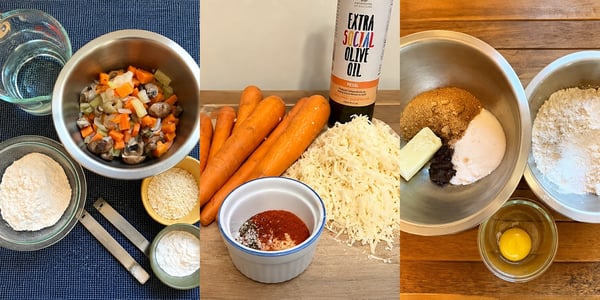
11. Mise en place
This organizational strategy means to get “everything in place” will insure you don’t miss an ingredient. It will make cooking more efficient and fun.
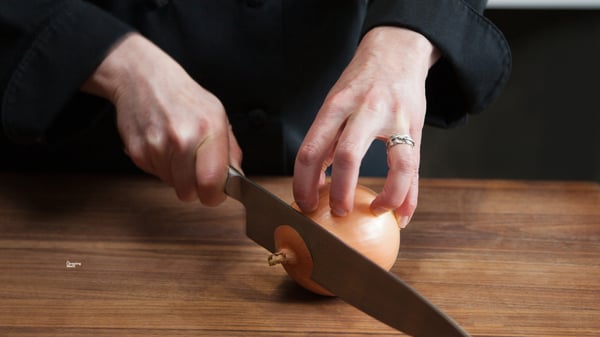
12. Pinch grip
A safe and effective way to hold a knife. It provides stability and safety by bringing the knife’s center of gravity closer to you, which prevent slipping or twisting.
13. Presentation side up
When plating food, you want the most attractive side facing up. This means the nicer side of a piece of protein should be the first side that gets cooked.
14. Season in layers
Seasoning needs to happen throughout the cooking process so flavors are built gradually. When food is seasoned at the end, the flavor tends to “sit on the surface.” For recipes with many ingredients, season each one.
15. Stirring is not cooking
This is one of Chef Lisa's favorite phrases. Sure, stirring has a purpose, but moving food around in a pan does not make it cook faster. Rather, it slows the cooking down. Food needs the heat to let it cook so leave it alone.
16. Taste then season
Taste the food and decide what it needs just before adding salt, spices, or other seasoning. Ingredients vary and even if the recipe directs you otherwise, taste the food before adding the half teaspoon of salt.
17. Three finger pinch
This is how much salt to add when seasoning food. It means pinching salt between your thumb and three fingers. Quantities vary but this is about 1/8 to 1/4 teaspoon. This is advice “to not take with a grain of salt.”
Hopefully some of these little reminders will help make cooking easier. Use them to automatize the cooking process and make it fun and efficient. Come see them in action at one of many cooking classes offered this fall at The Chopping Block, including Korean BBQ on the Grill or Hands on Neapolitan Pizza.
