
I don’t know about you, but this is the time of year that I pick a day and clear my calendar for the big annual Pantry Clean-Out. During the winter, I lean on pantry staples like grains, pastas, tinned fish, canned beans, and jarred sauces to get me through to farmers’ market season. But come spring, I clean things out and start fresh.
One category that I never get rid of are the various vinegars that I accumulate throughout the course of the winter. Vinegar is one of the ingredients that I reach for most often lately, and this year, I made an argument for keeping each of these in my pantry all summer long.
Here’s a quick refresher on the different types of vinegar and exactly what I’m planning on doing with each of the vinegars that are taking up space in my pantry this summer. Here’s hoping that I can convince you to come along with me on a journey through the wonderful world of vinegars this summer. Let’s dive in!
1. White Vinegar
White vinegar is the most basic of vinegars. Instead of a fruit base, it’s made from the fermentation of a grain alcohol, giving it a neutral flavor profile with strong intensity. It’s also extremely acidic. When I reach for white vinegar, it’s most often to use in making pickles, which I’m hoping to make this summer using the dill and cucumbers I have growing in my garden plot. I’ll also use a tablespoon of this to balance out any dishes that get too sweet or need a little lift since it doesn’t add any extra flavor.
2. Red Wine Vinegar
Red wine vinegar is made with a base of fermented red wine. It’s light red, even pink, in color, and has a lighter body than other grape-based vinegars. I like to use red wine vinegar in salad dressings and to dress grilled vegetables. Its light, pleasant flavor compliments fresh vegetables well. When I use this in a salad dressing or marinade, I pair it with a strong, peppery olive oil and a generous serving of cracked black pepper to add some intensity alongside the vinegar’s tang.
3. Apple Cider Vinegar
Apple cider vinegar is made from fermented apple cider, giving it a sharp tang and light, golden color. My favorite way to use apple cider vinegar is in shrubs, which I make most summers from extra fruit and herbs from the market. You can read more about that here, or use apple cider vinegar in your barbecue sauces and other meat marinades, where it plays well with the richness of grilled proteins.
4. Balsamic Vinegar
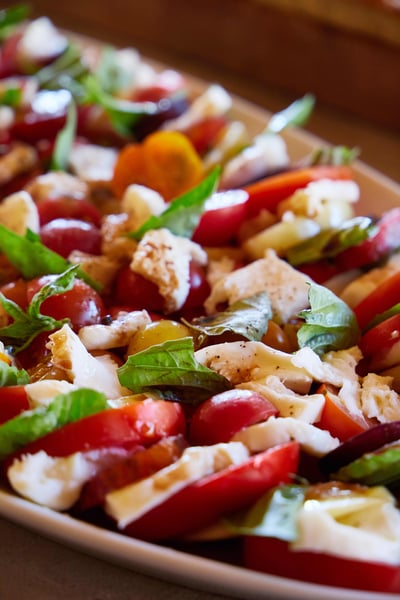
After meeting the good people from the Consorzio Tutela Aceto Balsamico Di Modena last year, I’ve had some balsamic vinegar from Modena in my pantry. Balsamic vinegar is made from grape must, giving it a rich, intense flavor and a delicious umami taste. I got spoiled and now prefer to buy aged balsamic vinegar of Modena, which pairs with summer vegetables like juicy heirloom tomatoes, perfectly in-season zucchini, rich summer peaches, and sweet summer corn. Don’t knock it on a scoop of vanilla ice cream, too—the intensity of the vinegar is a perfect foil for the creamy cold sweetness.
5. Rice Vinegar
Rice vinegar is made from fermented rice wine, and is very pale yellow in color. It’s one of the mildest vinegars on this list and can even read as slightly sweet on the plate. To me, this vinegar is one of the most versatile and what I reach for when I’m making marinades, sauces, or grains that need a little something to brighten them up. It’s a great bottle to have on hand for a quick summer stir-fry, too!
So as you clear out your pantry and make space for a fresh season of cooking, think of this as more than just a reset—it’s an opportunity to build better habits and deeper skills. Understanding how and when to use something as simple as vinegar is exactly the kind of foundational knowledge that transforms the way you cook every day.
If you’re ready to go beyond individual ingredients and start connecting the dots—flavor, technique, timing—that’s where The Chopping Block's Culinary Boot Camp comes in. It’s designed to help home cooks move from following recipes to truly understanding them, so you can walk into your kitchen with confidence, a well-stocked pantry, and the ability to make something great with whatever you have on hand.
