
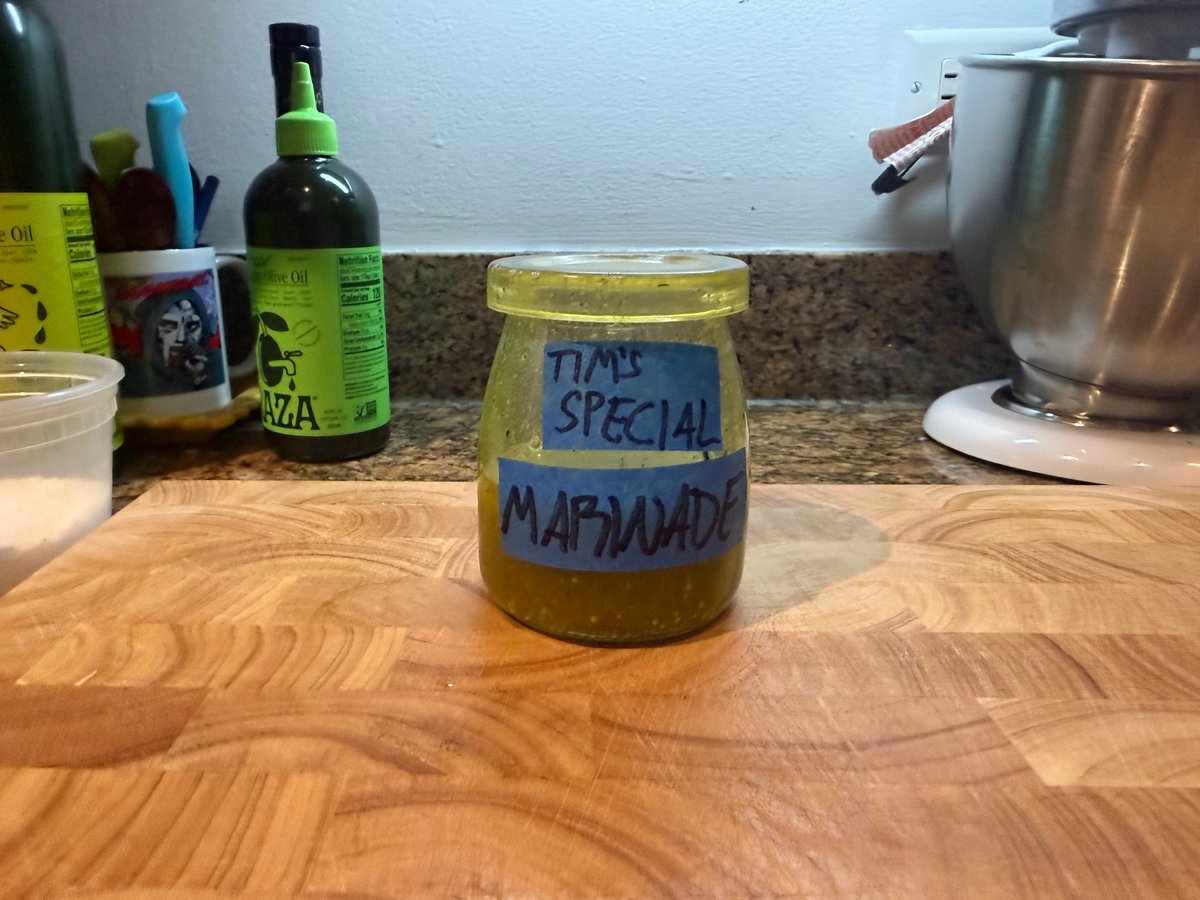
I’m going to hold your hand while I say this: you’re eating flavorless chicken. I get it, weeknights can get busy and it’s tempting to just chuck some chicken breast in a pan and call it a day, but I want better for you! Today we’re talking marinades, the key to juicy flavorful chicken, beef, pork, really anything. I love marinades for a busy weeknight because we can pack in a ton of flavor without much active cooking time.
What is a marinade? At its core, a marinade is a combination of fat, acid, and seasonings. Typically, it's a 3:1 fat to acid ratio. That’s it, everything else is just gravy on top. I’ve listed a few combinations following our 3:1 rule to get your brain going, but the skies the limit! Use what you have.
The below will yield about 1/4 cup of marinade which covers about 1lb of meat.
3 tablespoons fat: 1 tablespoon Acid : ~1 tablespoon seasoning
-
Olive oil, lemon juice, thyme, salt and pepper
-
Canola oil, soy sauce, furikaki, minced garlic, white pepper
-
Olive oil, lime juice, dash of hot sauce, onion powder, cilantro, salt and pepper
-
Olive oil, red wine vinegar, dill, oregano, lemon zest, salt and pepper
As you can see, there’s a lot of mixing and matching that can be done. If you have fat, acid, aromatics, and salt of some kind, you’re golden. These examples are super basic, the more aromatics and seasonings you add, the further flavor you’ll add.
We’ve talked about what a marinade is, but why are we doing this? Can’t we just season our proteins with salt and pepper and call it a day? Seasoning certainly builds flavor, but the eating experience has much more to it. A marinade not only changes what we taste but improves texture and locks in moisture.
As the acid is absorbed, it causes the protein bonds to loosen, allowing for a more tender bite. While that’s happening, our salt is seeping into the meat at a molecular level via osmosis. That salt absorption not only adds flavor but allows for increased moisture retention. What does all that mean? Your chicken is going to taste real good and be juicy. Check out my marinade recipe below and get creative with your own!
Marinated Chicken Thighs
Yields: 1/4 cup marinade for 1 pound meat
Prep time: 5 minutes
Inactive time: 1 hour to 12 hours
Cook time: 30 minutes
3 tablespoons olive oil
1 tablespoon fresh lime juice
1 teaspoon each:
-
Herbs de Provence (or your favorite Italian seasoning blend)
-
Dijon mustard
-
Salt
-
Pepper
-
Smoked paprika
-
Sugar
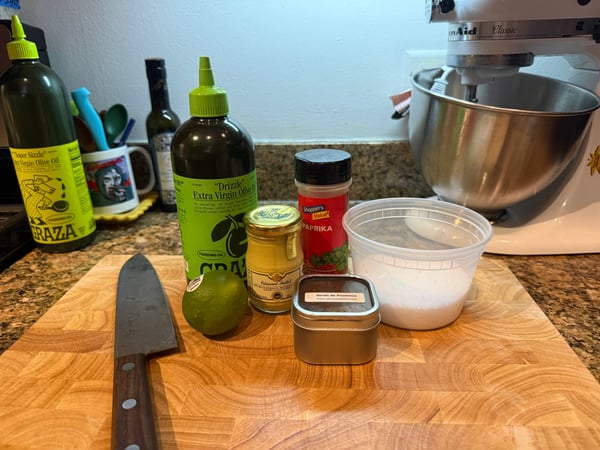
1. Whisk together olive oil, lime juice, herbs, mustard, sugar, salt, pepper, and paprika in a small bowl.
2. Add mixture to 1lb of chicken thighs in a airtight container and massage into the meat.
3. Seal and allow to rest, refrigerated, for 30 minutes up to 12 hours. Flavor and texture will enhance the longer it sits.
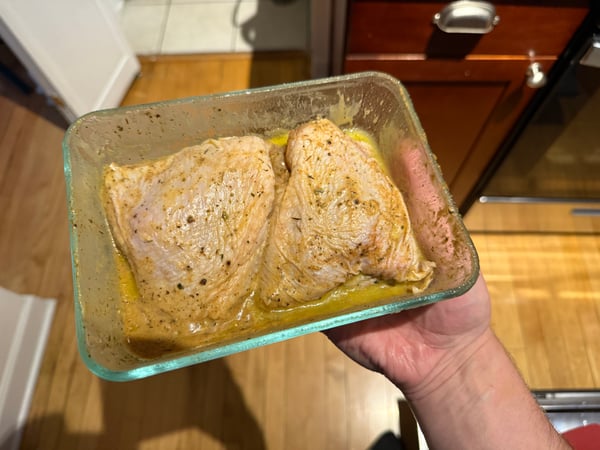
4. Remove chicken from marinade and rest for 30 minutes at room temperature.
5. Roast chicken at 400 degrees F for 20-30 minutes, or until internal temperature reaches 165 degrees.
If you want to up your chicken game, check out The Chopping Block's Weeknight Wins class coming up on Tuesday, July 7 at 6pm. I personally took this class recently (with my mom, very cute) and can attest it’s excellent. But hurry, there's only two spots left!
