
Crisp air and leaves that are turning red and yellow before our eyes can only mean one thing: the bounty of fall farmers’ markets is upon us. Here in the Midwest, this is what I like to call “use it before you lose it” season. I’m stocking up on squash, potatoes, onions, and root vegetables to cook with all winter long.
As my pantry fills up, I can’t help but start to daydream about all of these root vegetables and how I’m going to cook them. With the weather this chilly, I’ve even started on my rotation of roasting a little early this year, much to the delight of my fall-loving family.
Here are my favorite root vegetables and how I like to use them. Since these vegetables are so similar, most of these preparations can be swapped out, so mix and match and see what tickles your fall fancy!
1. Parsnips
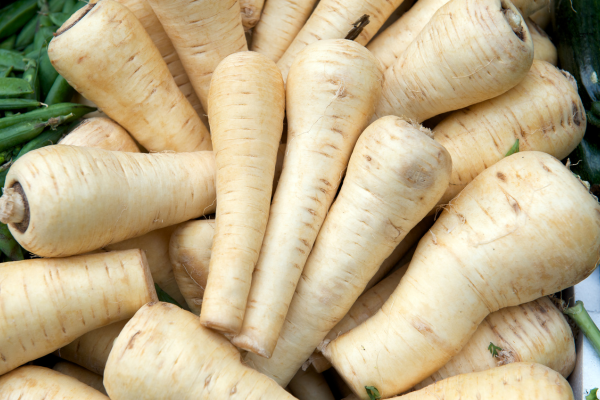
I like to think of parsnips as the rustic cousins of carrots. A root vegetable with a similar shape to carrots, they are generally pale and can get rather large. Unlike carrots, you’ll rarely see these sold with their greens still attached. They have an earthy, nutty flavor that leans a little less sweet than carrots, at least until the frost, and they lend themselves well to being roasted to bring out some extra sweetness.
I rarely peel my parsnips, but I know that many people prefer to get rid of the sometimes tough skin. Others also like to remove their core, which can become woody and unappetizing in larger parsnips, but I’m not too picky myself. Once they’re cut into coins, I use them in chicken skillets or roast them with potatoes and plenty of rosemary. They also make a delicious puree, and they’re a popular addition to blended soups to give them a creamy, lovely texture.
2. Rutabaga
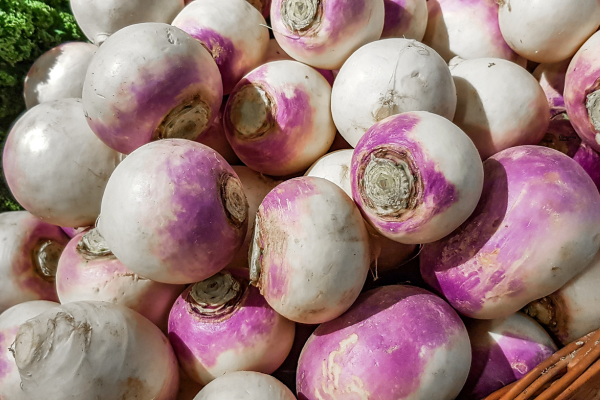
Rutabagas look like parsnips if a parsnip got squished into a shorter, rounder version of itself and dyed purple at the top. It’s actually a hybrid of the turnip (more on them soon!) and cabbage, one of my other favorite fall and winter vegetables. The texture and taste of this quirky root veggie is somewhere between potato and turnip, with a skin that can sometimes appear waxy and dense flesh.
I do peel rutabagas—it’s an annoying step, but the skin on these veggies just doesn’t work quite as well with the way I like to cook it. I like to use rutabagas the same way that I do potatoes, in creamy rutabaga gratins with a sharp, creamy cheese or as “French fries.” I also love to dice it up (put those knife skills to work!) to go into a winter morning hash.
3. Turnips
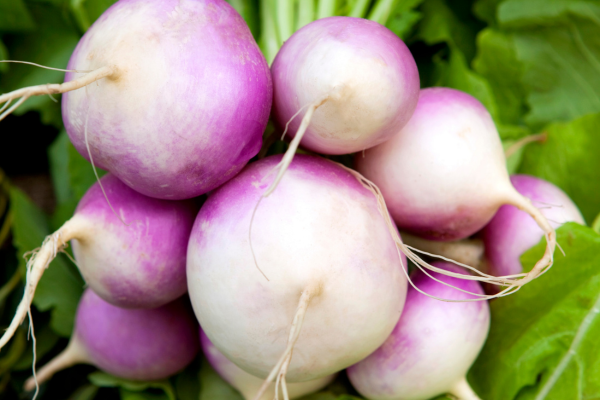
Turnips look a lot like rutabagas, but can come in slightly different hues. Their flavor is on the more intense side, and depending on the type you get (ask your farmer!), the taste can be a somewhat sharp, peppery flavor.
I love the way that turnips marry with rich butter and strong herbs, so I usually just give them a quick chop and roast them in a butter bath. They also love a bit of sweetness to balance their peppery flavor, so I like to pair them with maple syrup or honey. Pro-tip: you can eat the greens too!
4. Beets
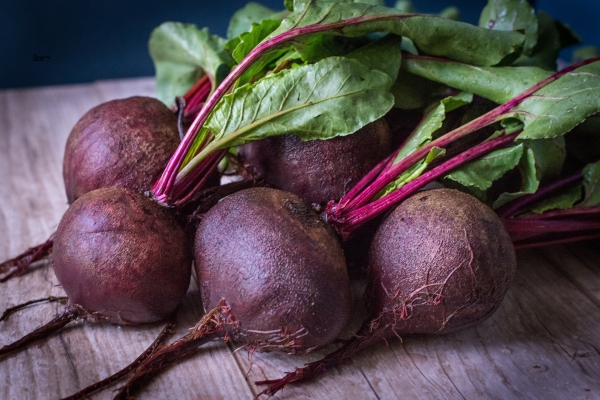
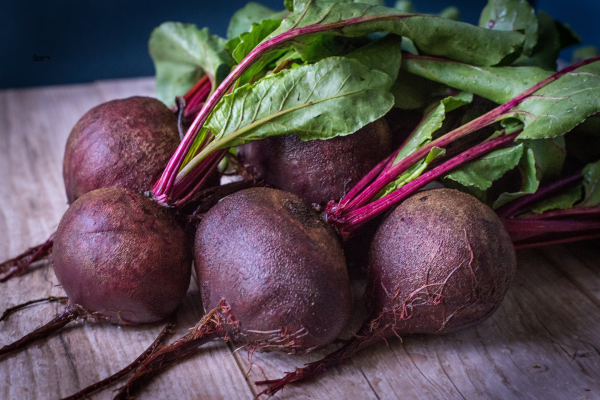
Beets are likely the most familiar vegetable on this list. Typically, beets are large, round, and bright pink or red, but they can also come in shades of pink, with fabulous stripes, or even golden hues. It’s not uncommon to see them sold with their greens at the farmers’ market, and don’t leave them behind—they’re extremely good for you!
Beets are extremely sweet, and so I like to pair them with punchy, salty flavors. Roasted beets with a tahini dressing are one of my favorite winter dishes (shout out to Galit for the inspiration!), and they also go well with goat cheese or something even funkier, like bleu.
5. Celery Root
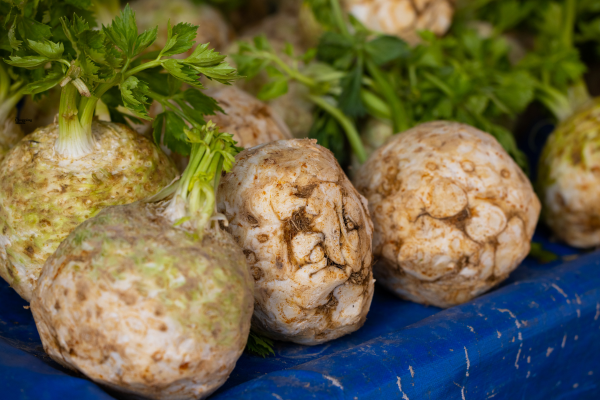
Celery root is not the most beautiful vegetable on this list. Also known as celeriac, it’s large and round, full of knobs and imperfections across its khaki or light green skin. Even though this humble vegetable won’t win any beauty contests, it’s still a great choice for winter pantries.
Celery root has very tough skin, so I always peel it before I cook it. I love it grated into an alternative version of a potato pancake and using it in chicken skillets and vegetable roasts as a nice, celery-like flavor with a bit more body and structure than celery provides.
If all of this talk about roasting, braising and making the most of cold-weather produce has you ready to get into the kitchen, The Chopping Block can help. Fall and winter classes are packed with seasonal ingredients, comforting dishes and techniques you’ll use long after the weather warms up. Here are a few upcoming classes to inspire your next cooking adventure:
- Weeknight Wins: Cook Once, Eat All Week Monday, October 19 6pm
- Garden to Table: Fall Harvest Thursday, October 22 6pm
- Fall Harvest on the Grill Saturday, October 24 6pm
