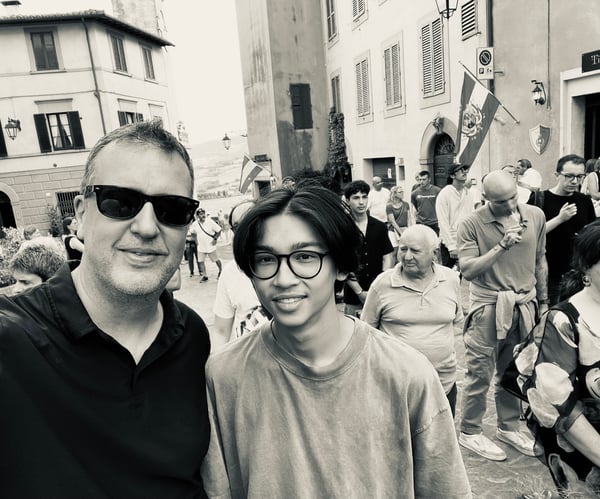
Those who know me know I’m a proud fencing dad. Maybe overly proud. I can already hear my colleagues at The Chopping Block: Yes, Nolan. We know. Your kids fence.
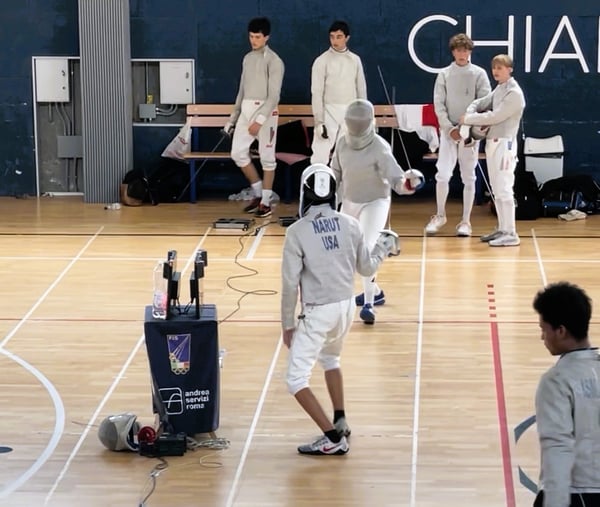
So when my son had the opportunity to attend an international saber camp in Chianciano Terme, Italy in the summer of 2024, I volunteered myself as an “unofficial” chaperone. The camp was fully staffed. No parent required. But sending my 15-year-old overseas alone for the first time felt ambitious. I kept picturing Bart Simpson as an exchange student squashing grapes with his little cartoon feet. Also, Tuscany—markets, vineyards, espresso bars, pecorino, Sangiovese. I wasn’t exactly twisting my own arm.
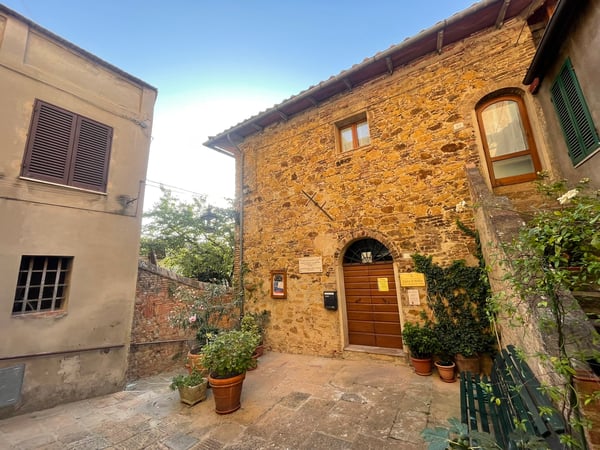
He packed saber gear. I packed walking shoes and an appetite.
Getting There, Getting Settled
After a nine-hour flight into Rome and a tightly packed van ride south, the team settled into their hotel while another parent and I checked into slightly more comfortable accommodations nearby. A quick visit to the fencers’ rooms confirmed that having an adult presence wasn’t the worst idea—sparse setup, serious heat, and no A.C. With a little polite insistence, that situation was remedied and they received a small upgrade with working air conditioning.
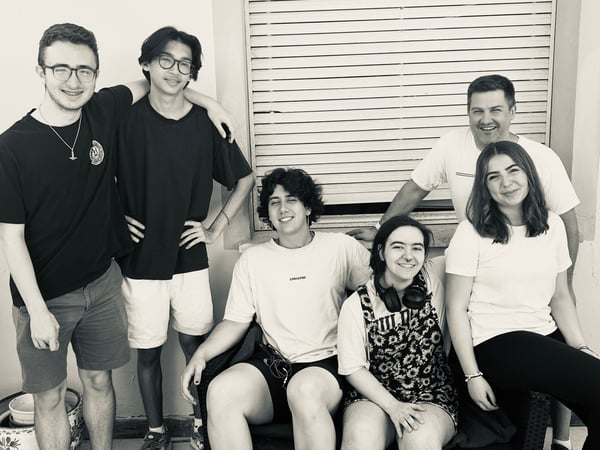
The Lincoln Square Fencing Club
The rhythm of the week was simple: the kids trained most of the day, and I was on my own. I’d check in with the team in the late afternoons and evenings, but for long stretches, I had Tuscany to myself.
Chianciano Terme
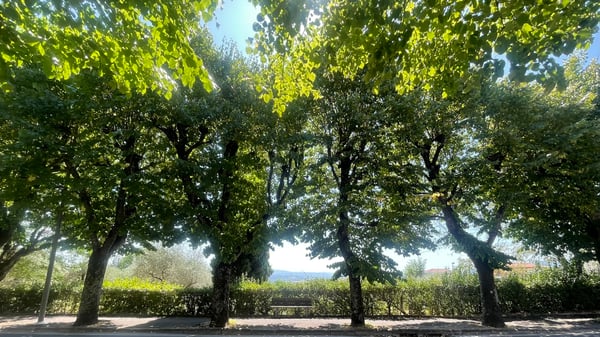
Chianciano Terme sits in southern Tuscany, just south of Siena and a short drive from Montepulciano and Pienza. It’s known for its thermal baths, used since Roman times. But when it’s 96°F outside, sitting in a hot mineral bath feels less restorative and more punishing. I dedicated my time instead to eating and drinking my way through the area.
Mercato Settimanale
The weekly mercato became my starting point. Farmers pulled up in small vans with produce, olives, cheese, and cured meats. Nothing styled. Nothing curated. Just what they grow and make.
One farmer was selling small purple plums—Coscia di Monaca—out of the back of a Fiat Panda. Dusty bloom on the skin, golden flesh inside. Sweet first, then bright and tart. I stood there and ate a handful. When fruit tastes like that, you don’t improve it. You just eat it.
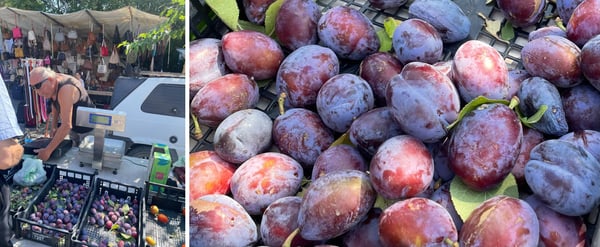
There were Leccino olives—briny, slightly bitter, shifting from grassy green to deep purple. The bitterness wasn’t something to correct; it was part of the balance.
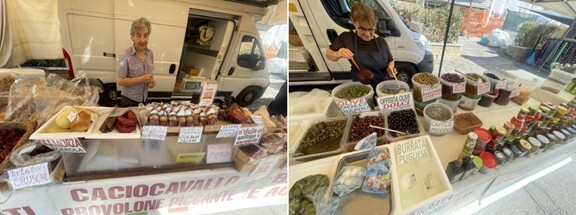
Anchovies were packed in wooden barrels under coarse salt, brought inland from Liguria. Firm, clean, intensely savory. Bread, anchovy, olive. That was lunch more than once.
The salumi stalls were heavy with finocchiona, the fennel-scented Tuscan salame that shows up everywhere here for good reason. The flavor makes sense in this landscape. And pecorino. In Tuscany, pecorino isn’t a specialty item—it’s daily life. From pecora, sheep, it reflects land better suited for sheep than cattle. Young wheels were soft and milky. Aged ones firm, nutty, a little sharp at the edges. Tiny beads of sweat appeared on the cheese nearly as quickly as it was sliced from the summer heat, but no matter. I was taking this down.
The Surrounding Tuscan Landscape
There was a lot to explore in the surrounding area. But what to do for transportation? Only one thing to do. I rented a Vespa. While I pushed for a white or black scooter, they insisted on the bright red model complete with a white helmet with green racing stripes—seemingly designed to announce American tourist.
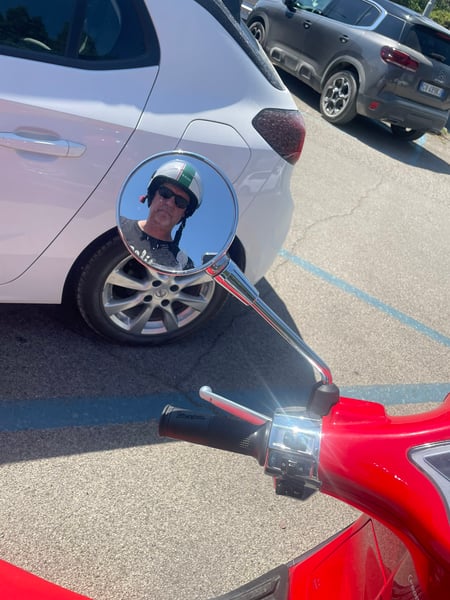
At a stoplight, some Italian teens spotted me and shouted in thick accents, “Hey, real Italiano! Beep! Beep!” So, I beeped back.
Poggio del Moro
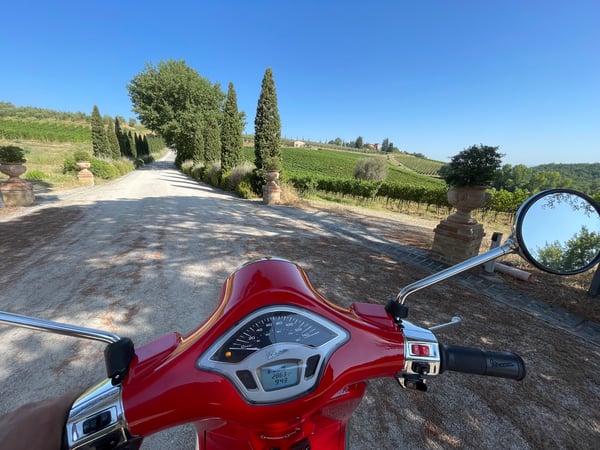
With transportation in order, I set off to Poggio del Moro, a beautiful estate vineyard just east of Chianciano along Strada delle Cavine e Valli, perched above rolling hills and valleys. The estate, once primarily olive groves before Tatiana took it over, now grows Sangiovese, Trebbiano, olives, fruit trees, and even harvests truffles. The property is beautiful—clean, thoughtful, quietly ambitious.
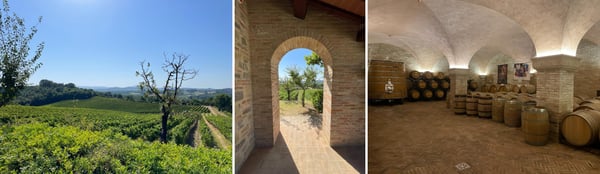
Tatiana, originally from Russia with a background in agriculture and marketing, runs the vineyard with a clear commitment to organics and ecological responsibility. During the tasting, she often steps aside and lets her son Mateo lead. At just 13, he explains the wines with confidence—varietals, aging, label artwork, even the stories behind the names. It’s a family operation in the truest sense. Passionate, personal, and refreshingly sincere.
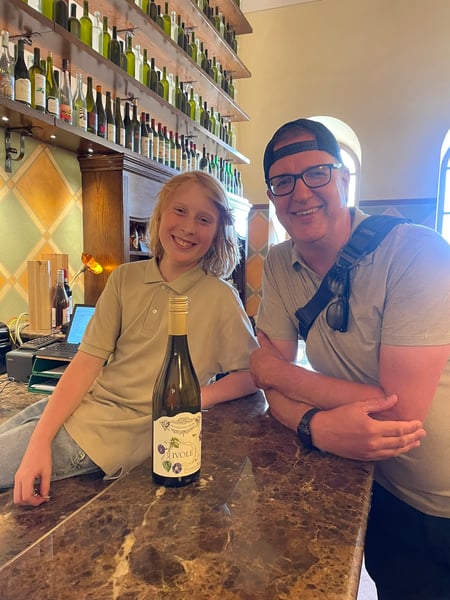
Mateo teaching me about wine
Bottega Matta
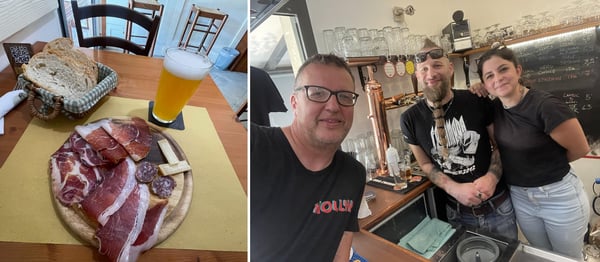
As a beer enthusiast, I quickly discovered Bottega Matta, a small pub between Chianciano Terme and Montepulciano run by the super kind and heavily metal-studded Silvio. I frequented it more than a few times. By midweek he greeted me like a regular. Cold beer, sliced salume, good bread. No performance. Just a place that knew exactly what it was.
Montepulciano
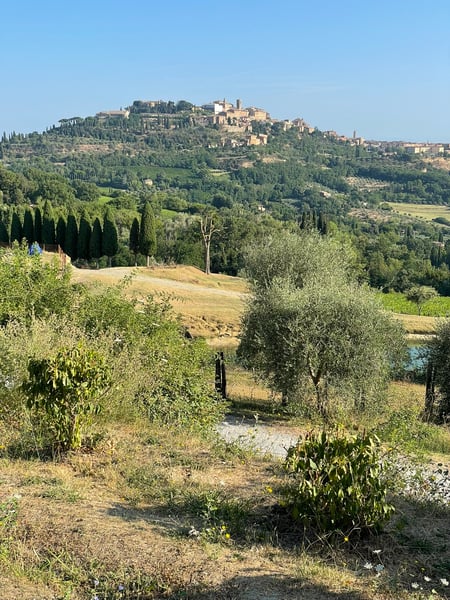
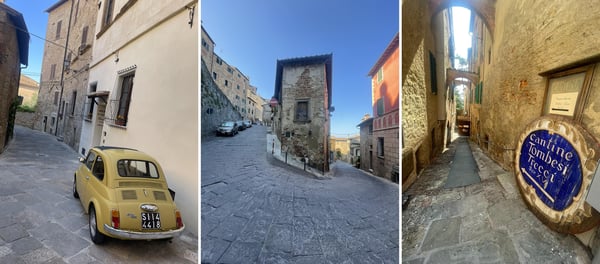
A quick 12-minute scooter ride northwest of Chianciano led to Montepulciano. The town climbs steeply from the valley, all brick and cobblestone. Beneath it are aging cellars carved into rock, naturally cool and steady. I tasted Vino Nobile built primarily from Sangiovese—cherry, dried herbs, firm acidity, balanced tannin. Structured, but never heavy. A wine that makes sense with food. I explored the winding streets of this charming town for hours. I could have stayed another week.
Pienza
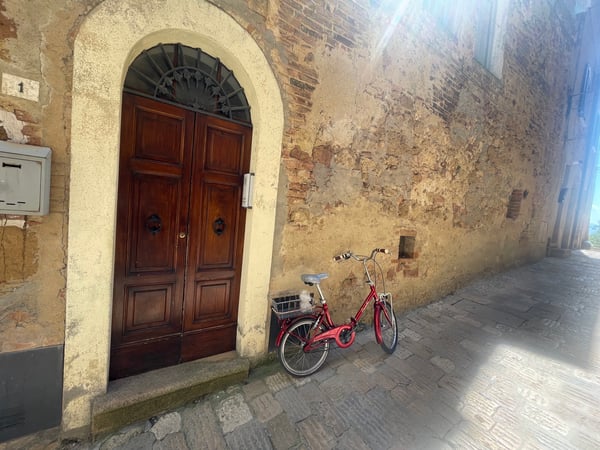
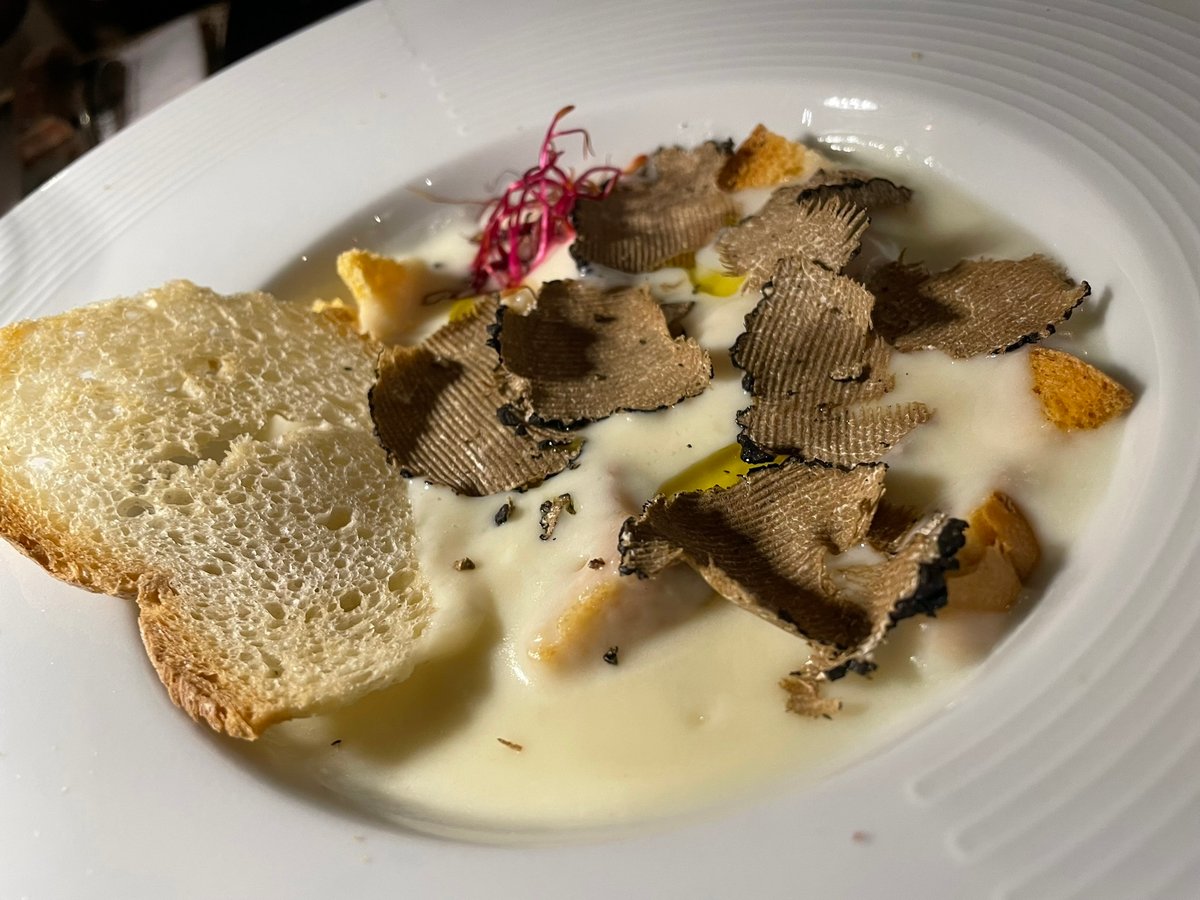
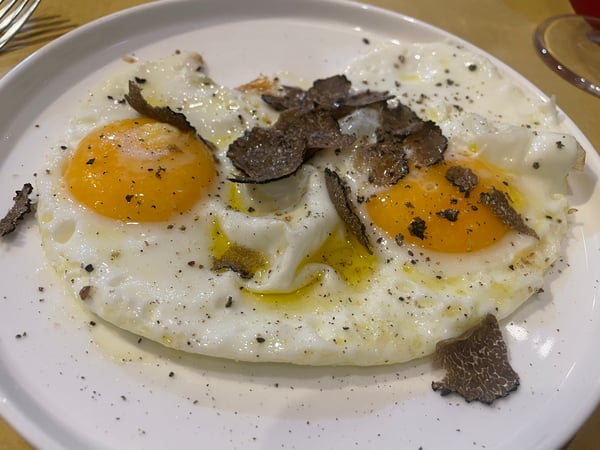
Pienza felt different—more open, less vertical. You smell the pecorino before you see it. Cheese shops line the streets, wheels stacked high, aged in ash, wrapped in leaves, young and supple or firm and crumbly. Down the Corso Il Rossellino (the main pedestrian cobblestone strip) was lunch at Baccano – Il Panino Toscano. This meant cacio e pepe. Pasta, pecorino, black pepper. When it’s done right, it’s silky and sharp and honest. So good I followed it with an unorthodox dessert order—fried eggs topped with shaved black truffles—because sometimes you lean in.
Most days, while the boys and girls fenced through drills and bouts in a hot gym, I walked markets, stood in cellars, and paid attention. By late afternoon I’d reconnect with the team, hear about touches scored and lessons learned, then head back out for dinner—occasionally springing them from their mundane pre-paid hotel banquet-style meals of recurring pasta with red sauce, rotating proteins, and ever-present peas and carrots. They were happy to gain some culture and happier to enjoy real Tuscan fare whenever possible.
What stayed with me wasn’t luxury. It was clarity. Good milk becomes good cheese. Good grapes become good wine. If something tastes good, you don’t overwork it. Tuscan cooking isn’t complicated—but it is intentional. I left with a desire not for more elaborate food, but for more focused simplicity.
If you want to understand Tuscan cooking, you have to experience it where it lives—at the market, in the cellar, in a small place like Bottega Matta over beer and salume. If you are interested in experiencing Tuscany for yourself, I urge you to check out The Chopping Block’s upcoming Tuscany excursion coming up in October 2026.
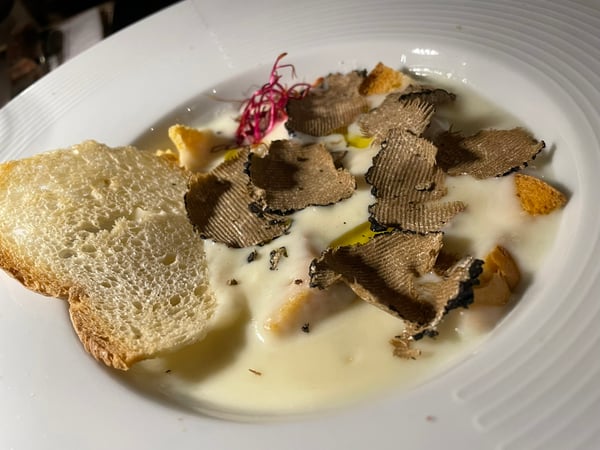
Fonduta di Pecorino
Immerse yourself in the flavors and traditions of Tuscany during peak harvest season, when grapes and olives are being pressed across the countryside. This weeklong culinary journey combines hands-on cooking classes, thoughtful wine education, and curated cultural excursions—all from a historic stone villa in the heart of Chianti. Guided by expert chefs, local artisans, and The Chopping Block’s hosts, you’ll expand your skills, explore medieval towns, and savor iconic regional ingredients in the place that inspires them.
For great reading on some of our past Tuscan experiences, check out our Tuscan travel blog posts from the past few years.
If Tuscany has been on your list, come with us.
Bring your appetite.