
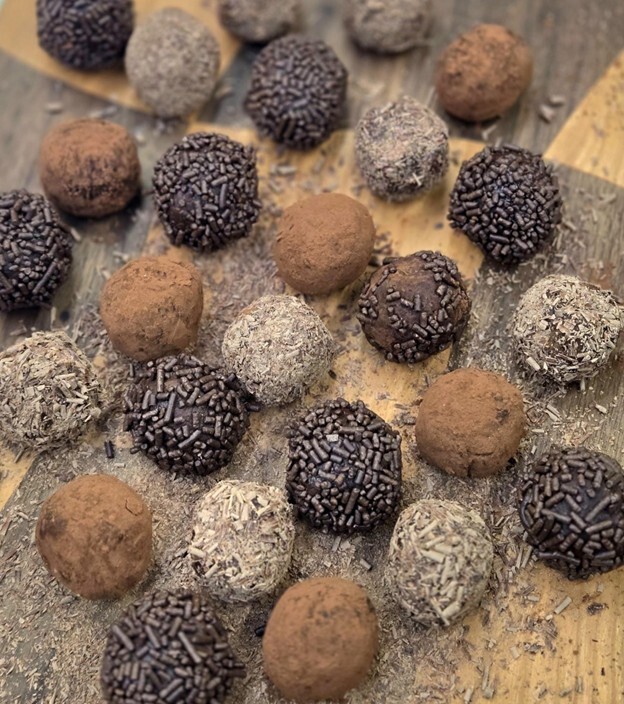
Throughout my pastry journey, I’ve had the opportunity to work for many different chefs with different backgrounds. My first job out of pastry school, I had the pleasure of working under a world chocolate master. This was intimidating, for sure. I didn’t have an appreciation for chocolate until he taught me everything there was to know about what chocolate is, where it comes from, and how it's made.
I learned very quickly, chocolate is temperamental. You need to have patience or things will go wrong. What makes chocolate special is it acts as both a solid and a liquid, due to its unique cocoa butter content which has a melting point close to human body temperature. It remains solid at room temperature, but transitions into liquid when heated.
Chocolate is one of the most loved ingredients in the world. It’s one of the rare foods that no matter where you go in the world, chocolate is familiar. Chocolate contains compounds like theobromine and phenylethylamine, which are linked to pleasure. It encourages the brain to release serotonin and dopamine, the chemicals associated with happiness and relaxation. This is why a piece of chocolate can genuinely improve your mood. Chocolate hits a rare sensory sweet spot for us humans.
Chocolate is essential in the culinary world due to its versatility, complex flavor profile, and unique physical properties that allow it to be used as a structural, textural and aesthetic component. Chocolate may look similar on the surface, but its quality, flavor, and performance can vary dramatically. From the type of cacao used to how it’s processed, not all chocolate is created equal. These differences matter, especially in baking and pastry. Good chocolate melts smoothly, snaps cleanly when tempered, and behaves predictably. Lower quality chocolate can be greasy, grainy or unstable, making it harder to work with and less enjoyable to eat. Do yourself and favor and buy fancy chocolate.
Types of chocolate:
- Milk Chocolate
- Dark Chocolate
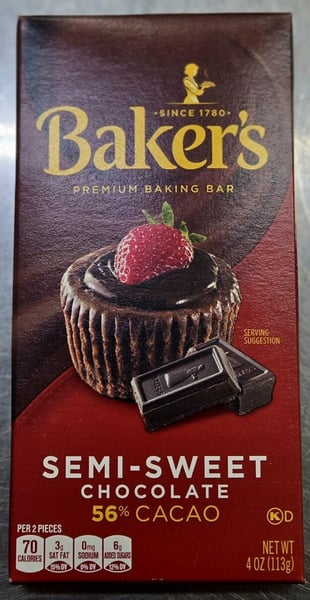
- Semisweet Chocolate
- Bittersweet Chocolate
- Unsweetened Chocolate (or Baking Chocolate)
- Cocoa Powder
- Couverture Chocolate
- Ruby Chocolate
- White Chocolate
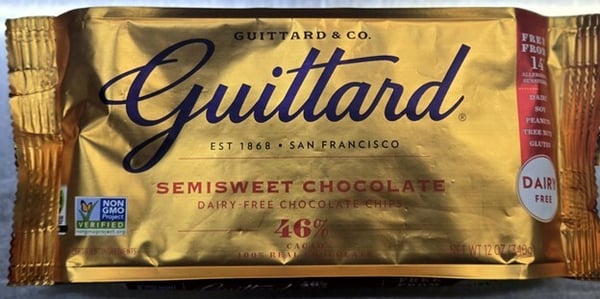
“The best chocolate is the one you like the most. No two people perceive aroma or taste flavors exactly the same way, and even texture can differ from one palate to another. Your individual chocolate palate evolves and sharpens over time and with experience.” - The Chopping Block's Owner/Chef Lisa Counts in A Chocoholic’s Guide to Cacao
Where Does Chocolate Come From?
Chocolate comes from cacao beans, which grow on the Theobroma cacao tree. The name literally means “food of the gods” These trees grow in hot, humid climates near the equator, in a region called the Cacao belt.
Cacao-producing countries include:
- Ghana
- Ecuador
- Brazil
- Ivory coast
- Indonesia
- Mexico
- Columbia
- Peru
- Dominican Republic
How is Chocolate Made?
Step 1: Harvesting - Ripe cacao pods are harvested by hand. The beans and pulp are then removed from the pod.
Step 2: Fermentation - The beans are cleaned by hand with the cacao fruit pulp also called baba left on. (This is the sweet, sticky, white flesh surrounding the raw cacao beans.) The beans are covered with banana leaves and left to ferment for several days. The beans begin to take on color and develop the flavor we know as chocolate.
Step 3: Drying - After fermentation, the beans are dried on wooden boards or bamboo mats for 7-14 days under the hot sun. The beans are continually raked and turned over for consistent drying. Once dried, the beans are packed and shipped.
Step 4: Roasting - Once received by the processor, the beans are cleaned then roasted at low temperatures to develop flavor and aroma.
Step 5: Winnowing - The beans are then cracked open to remove the shells, leaving behind cacao nibs (the meat of the bean).
Step 6: Grinding - Cacao nibs are ground into a thick paste called chocolate liquor. Placed under extremely high pressure, this paste yields two products - cocoa powder and cocoa butter.
Step 7: Mixing & Refining - Sugar, cocoa butter, milk, and sometimes vanilla are added depending on what type of chocolate is being made. The mixture is then mixed, grinded, kneaded and refined.
Step 8: Conching - The chocolate is continuously rolled, kneaded and aerated. This is where the final flavors are defined. A conche is a large agitator that stirs and smooths the mixture under heat. The longer the chocolate is conched, the smoother it will be.
Step 9: Tempering & Molding - The chocolate is now finished and ready for its final processing. Chocolate is carefully heated and cooled to stabilize cocoa butter crystals. This is where cocoa butter reaches its most stable form. Tempering gives chocolate its “snap” and shiny finish. To be delivered to chocolatiers, it is then poured into molds, cooled and packaged. (Typically made into blocks or drops also called “pistoles”.)
Chocolate is the first thing that comes to mind when we think about Valentine’s Day. Instead of buying chocolates for that special someone, why not make them yourself? Truffles may seem fancy, but the truth is, they are one of the simplest chocolate desserts you can make.
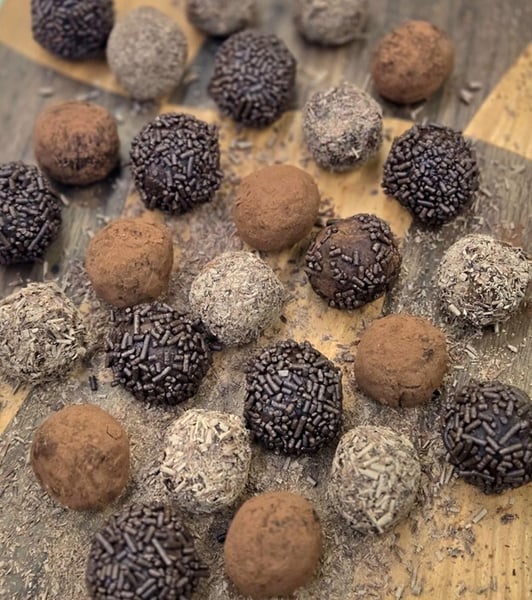
Chocolate Truffles
Yield: 2 dozen truffles
Active time: 25 minutes
Total time: 3 hours 35 minutes
12 ounces 50-60% chocolate, chopped
1/2 cup heavy cream
2 tablespoons light corn syrup
1/2 teaspoon vanilla paste
Big pinch of salt
2 tablespoons butter, room temperature
Optional: 1 tablespoon liqueur of your choice (Kahlua, Frangelico, Amaretto, Grand Marnier, Chambord, Kirsch, etc.)
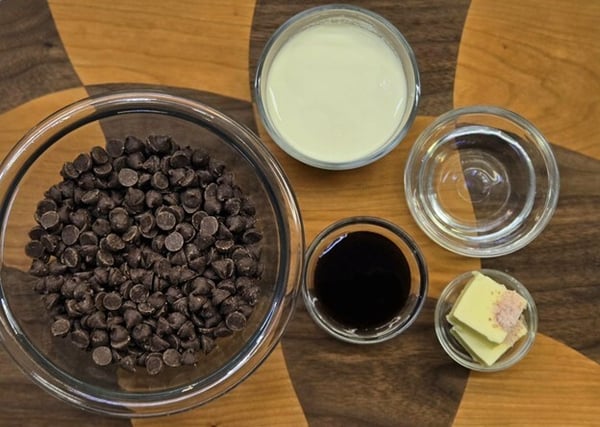
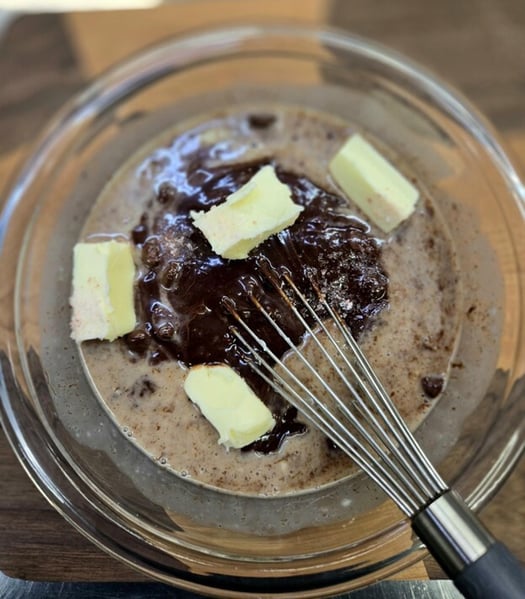
1. Place the chocolate in a heatproof bowl and set aside. Heat the cream until it just comes to a boil. Remove from the heat and stir in the corn syrup, vanilla and salt. Pour the mixture over the chocolate and allow the chocolate to melt for 2-3 minutes. Whisk slowly to combine and then stir in the butter until fully incorporated.
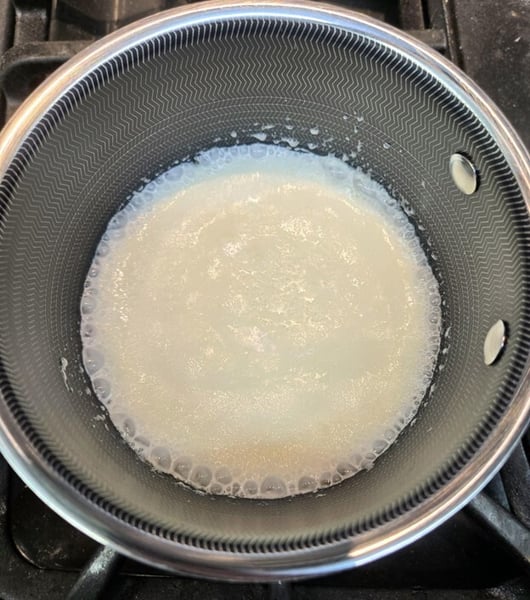
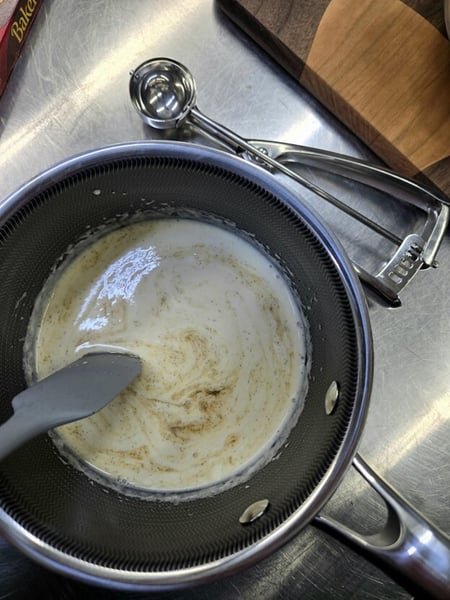
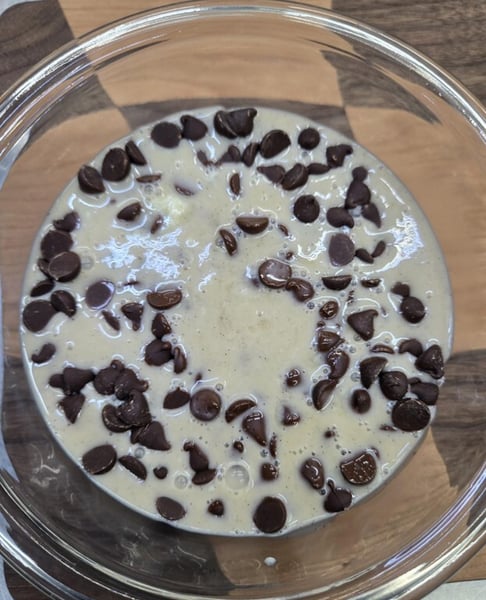
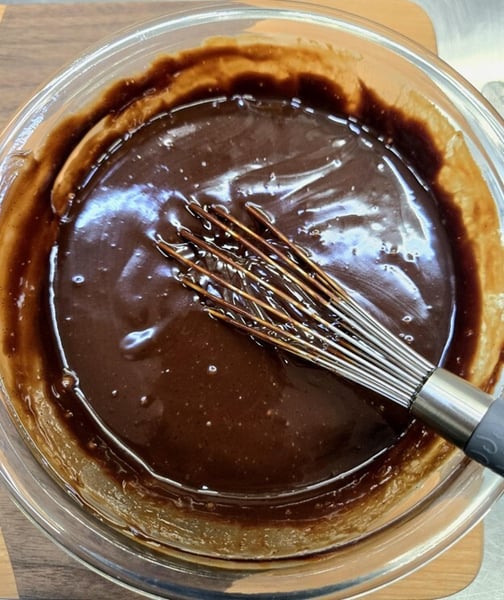
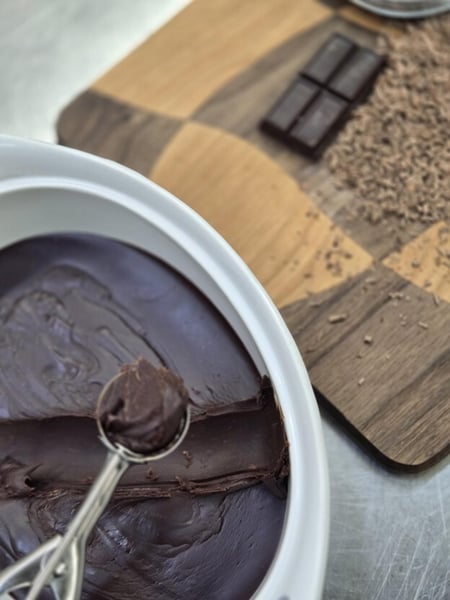
2. Transfer ganache to a shallow dish and set aside at room temperature for 1-2 hours. Transfer to the refrigerator and chill until very firm (about an hour).
3. Using a portion scoop, scoop all the ganache and quickly roll into balls. Set them on a parchment-lined sheet tray. Chill truffles briefly (5 to 10 minutes) to firm up before coating.
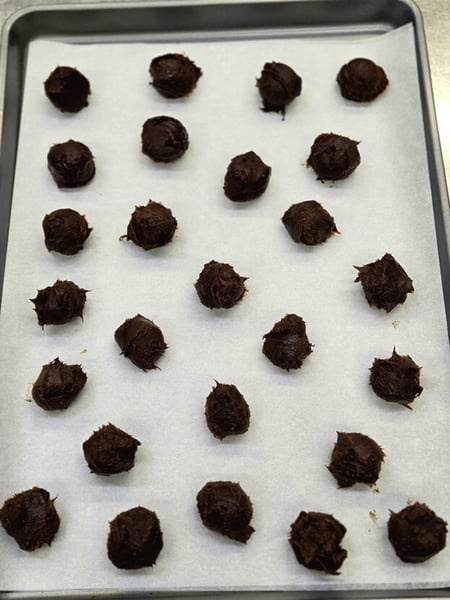
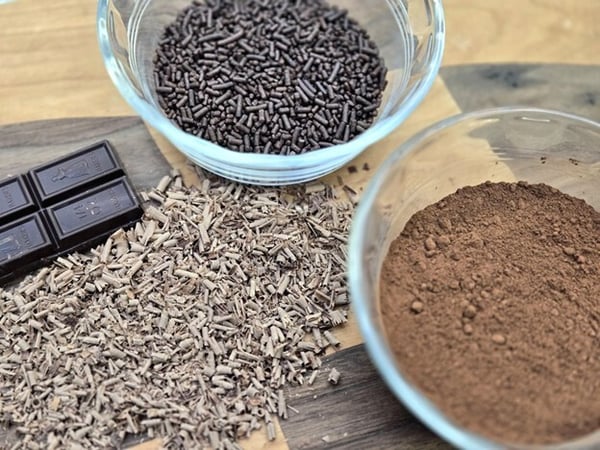
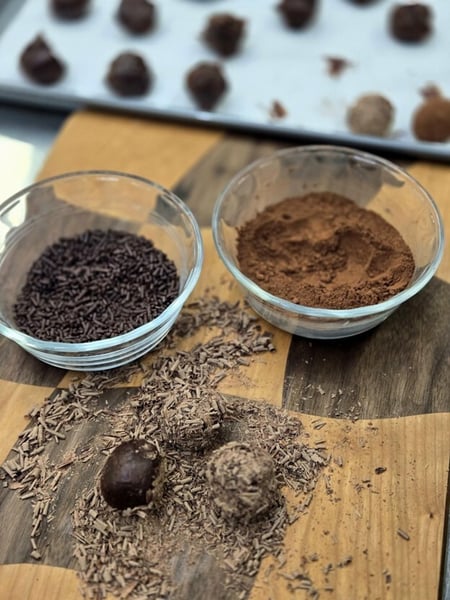
4. Coat truffles in cocoa powder, sprinkles, chocolate shavings, or melted chocolate.
If you are a chocolate lover, Chocolate Boot Camp is the class for you. Join us on February 14th, for a day filled with all things chocolate. But hurry, there's just one spot left!
