
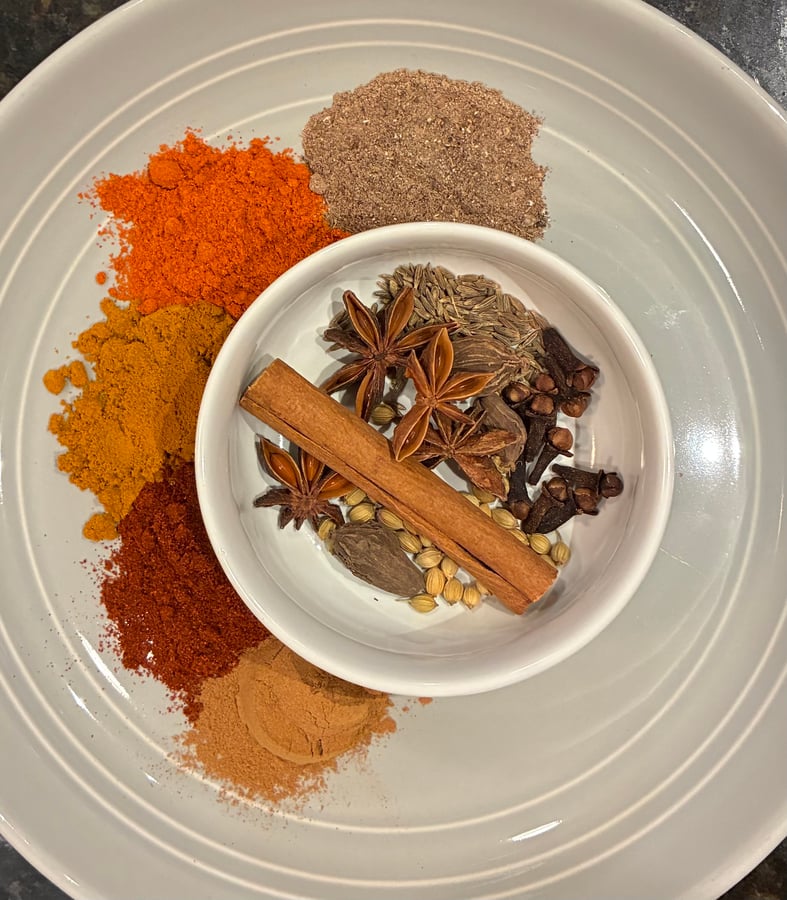
Some dishes are so simple that salt and pepper are the only spices you need. And while there isn’t technically anything wrong with that, pretty soon all of your food is going to start tasting the same. Learning how to use different spices and the effects they contribute to your food is an important step in taking your culinary skills to the next level.
Exploring the world of spices may seem a bit daunting to a burgeoning home cook, especially when there are so many different spices out there. How do you know which ones to use? I’m not promising that this one article will make you a master of spices, but hopefully I can provide enough information to make the topic less intimidating, and give you the knowledge and tools you need to start learning how to properly use them.
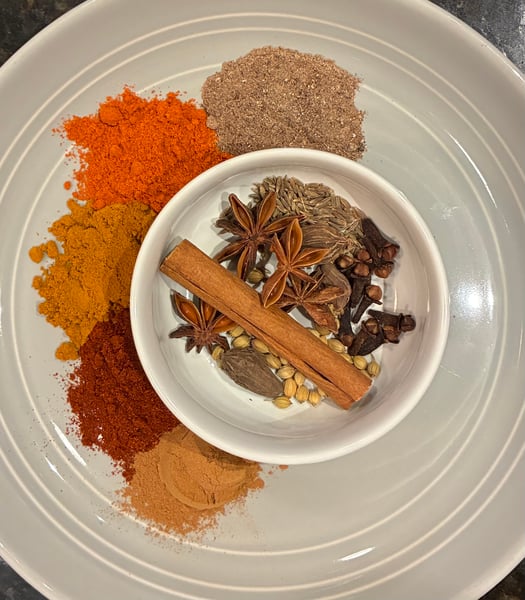
What is A Spice?
Let’s start with the basics. By definition, a spice is any flavoring component derived from the non-leafy parts of plants, such as seeds, bark, roots, or fruits. They are typically dried for flavor concentration and storage, and can be purchased either whole or ground.
Spices vs Seasonings
Is a spice the same thing as a seasoning? The short answer is yes and no. While the terms are often used interchangeably, they’re technically different things. Spices come from an individual plant and are used as a single ingredient. Seasonings, on the other hand, are typically combinations of spices, herbs, or both, and can vary greatly in terms of flavor. For example, chili powder is often referred to as a spice, but it’s technically a seasoning because it’s made up of several different spices. Other examples include curry powder and poultry seasoning. This distinction isn’t crucial by any means, but it’s still worth it to learn the difference.
Understanding the Effects of Spices
Most spices are described by the flavors, aromas, and effects they contribute to a dish. Think words like warm, nutty, earthy, pungent, etc. Some of these phrases can get complicated and a little subjective, so to help make sense of it all, I’ve put together a list of common terms used to categorize and describe spices, with definitions and examples to help you better understand their applications. It’s a lot of information, so don’t get discouraged if it all seems a bit overwhelming.
Aromatic - aromatic spices are distinctly fragrant, with their smell often just as powerful as their flavor. Most spices are considered to be aromatic.
Examples: allspice, black pepper, cardamom, cinnamon, clove, coriander, cumin, fennel seeds, garlic, ginger, nutmeg, star anise
Spicy - any spice that adds a level of heat to a dish, or lends to a “spicy” finish on the tongue.
Examples: black pepper, cayenne, chili/red pepper flakes, ginger, mustard seeds
Warm - spices that still add warmth and depth to a dish without contributing spiciness or heat. These spices are especially popular during colder seasons.
Examples: allspice, cardamom, cinnamon, coriander, clove, cumin, nutmeg, star anise, turmeric
Sweet - sweet spices aren’t necessarily sweet like sugar, but they do impart more of an underlying sweetness. These spices are the ones most often used in desserts.
Examples: allspice, cinnamon, clove, nutmeg, fennel seeds, ginger, paprika, star anise
Pungent - characterized by a sharp, strong flavor or aroma; oftentimes, a little goes a long way, and too much can become unpleasant.
Examples: cayenne, cardamom, clove, garlic, mustard seeds, star anise
Earthy - earthy spices exhibit a flavor profile that reminds us of soil and minerals, similar to the way we describe carrots and beets.
Examples: black pepper, coriander, cumin, fennel seeds, nutmeg, paprika, turmeric
You may have noticed that a lot of these spices fall under multiple categories. That’s because each spice has its own unique flavor profile — it’s impossible to use just one word to describe them. Don’t worry if you see some spices here you don’t recognize, or if these descriptors are still a bit confusing. The best way to get familiar with these spices is to use them, and your knowledge and confidence will expand over time.
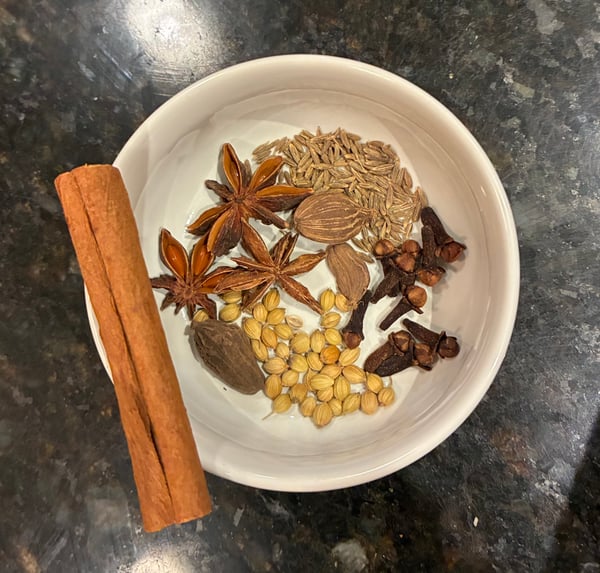
So how do you apply this knowledge to your cooking? My advice: start small. Pick a category of spices which you want to expand your knowledge, and start playing around with recipes that call for them. Start getting your hands on some regional and international spice blends and learning what’s included in them, and you’ll start to notice patterns in certain spice combinations. Some suggestions to get you started:
- Garam masala (India) - cinnamon, cardamom, cumin, and coriander, with additional variations based on region
- Cajun Seasoning (New Orleans) - cayenne, garlic powder, onion powder, salt, pepper, thyme, and oregano
- Ras el hanout (North Africa) - cardamom, clove, coriander, cinnamon, cumin, paprika, nutmeg, black pepper, turmeric, with additional variations based on region
- Jerk Seasoning (Jamaica) - cayenne, black pepper, allspice, cinnamon, thyme
For more tips on how to expand your knowledge and use of spices, check out these blog posts:
We also offer a Flavor Dynamics class a few times a year, where we dive into the basic applications of herbs and spices, and how the five flavor components (salty, sweet, sour, bitter, umami) interact with each other. And of course, this same important curriculum is covered in our most-comprehensive class, Culinary Boot Camp.
