
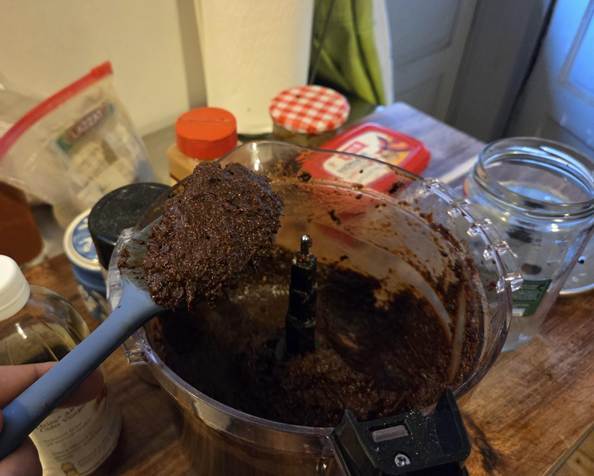
Every year, I take the first big chill to swing through the city as my opportunity to spend a lazy Sunday morning making my homemade "catch-all" chile paste. Although I use it primarily for a Tex-Mex beef chili at home, this chile paste is versatile enough in flavor that I have substituted it for red chile paste in Thai coconut curries, spice blends for Indian curries, and even mixed it into cream cheese for a spicy-sweet bagel spread. No matter how you plan to use it, making chile paste is a straightforward process that is endlessly customizable, and comes together with dried and preserved ingredients you can keep in your pantry all year round.
Picking Your Peppers
At the heart of any chile paste is, naturally, the chiles. In order to have a good mix of fresh and developed flavors, I find it is good practice to use a combination of dried peppers like Guajillo and Pasilla alongside fresh peppers like Jalapeno or Poblano. Having at least two dried peppers and one fresh pepper will bring both a heavy savoriness and a vegetal brightness to the chile paste.
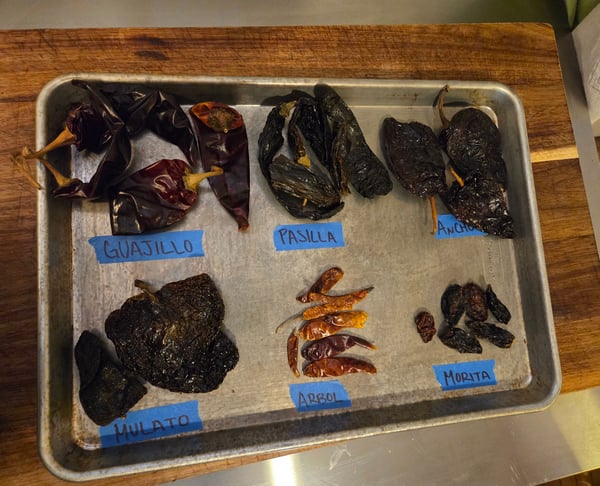
In my personal chile paste, I used a combination of six different dried Mexican chiles — Guajillo and Pasilla are the most common to find, offering a nice smokiness and pepperiness that lays the groundwork for the chili paste. Ancho and Arbol chiles bring some much needed heat, while Mulato and Morita (my personal favorites) bring a unique chocolatey-sweetness that balances out the powerful flavors of the chiles that I started with.
For my fresh peppers this year, I used Poblano and Habanero peppers to bring a little bit of heat, but mostly for that fresh vegetable brightness and a little bit of fruitiness.
Preparing the Paste
Once you've picked your peppers, preparing them for the chile paste is simple. To prepare the dried peppers, deseed them by removing the stem and as much of the inner membrane as you can — these parts of the pepper carry the most capsaicin (the "spicy" flavor compound), and offer uncontrolled heat to our chile paste. Once they are deseeded, the dried chilies can be toasted in a 350-400 degree oven until aromatic, usually 5-8 minutes.
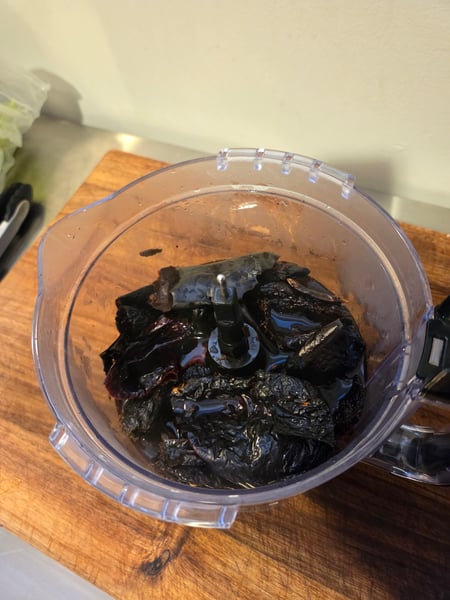
After toasting, soak the dried chiles in hot water for at least 20 minutes. This rehydrates the chiles so they turn into a paste rather than a powder, and turns the water into a potent chile "liquor" — the common term for the water left behind after rehydrating the chilies — that can be used for many other purposes, as well as helping us to control the thickness of the chile paste at the end of the recipe.
Preparing fresh peppers is much simpler. For smaller peppers like jalapeno or habanero, simply destem and deseed the pepper. For larger and mild peppers like poblano deseeding is optional, but the flavor of the pepper can really be amped up by blackening the skin on a burner or under the broiler before wrapping it in foil for 10 minutes.
Putting it Together
With your dried and fresh peppers prepared, putting together the chile paste is a simple process. Using a blender, immersion blender, or food processor, blend together the rehydrated chiles and fresh chiles, using the reserved chile "liquor" to control the thickness to your desired consistency without thinning out the flavor. Once the peppers have been blended down somewhat, add a few cloves of garlic and a pinch of salt, and your chile paste base is ready.
Make it Your Own
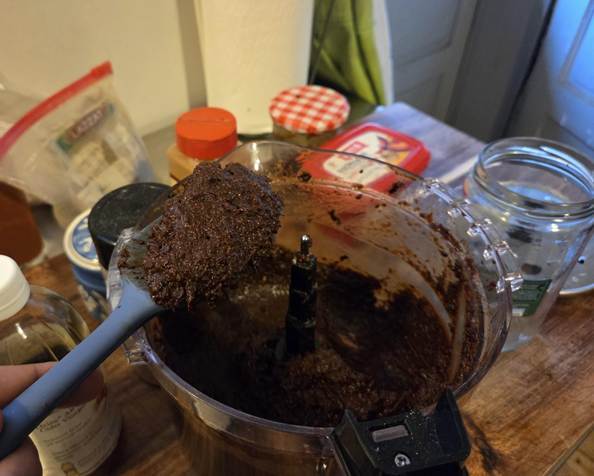
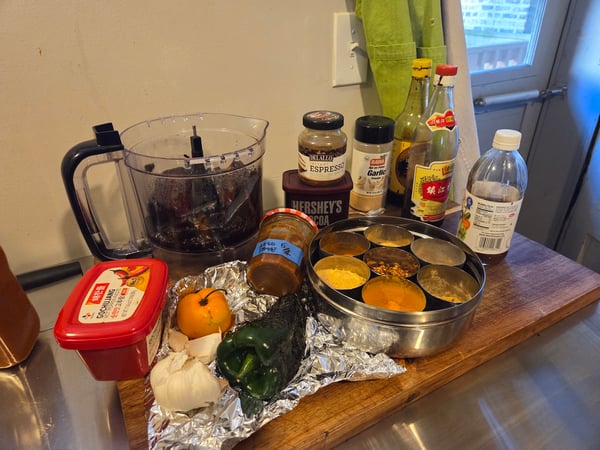
Just because the base is ready doesn't mean you need to stop there! I go the extra mile by adding spices, sugars, and vinegars to balance out the flavors and bring that special something to the chile paste. For my personal chile paste, I like to mix in Indian and Asian flavors from my culinary background alongside the Western Latin flavors that make the core of this paste by adding red miso, Chinese black vinegar, and Garam Masala alongside cumin and Spanish paprika. Piloncillo and honey are added to control the heat and balance the smokey bitterness, and my final secret ingredient is a spoonful of cocoa powder, bringing a deep and slightly bitter roundness that glues all of the flavors of the chile paste together.
Bring it All Home
Chile paste is an incredibly versatile kitchen staple that brings powerful flavor to any dish. It is endlessly customizable for any kind of cuisine, and the techniques used for chile paste can be taken outside of this recipe to bring extra care of preparation to other chile-based recipes as well!
Want to learn more about mixing spices? Check out Autumn's Spices Around the World blog series, which is a deep-dive into the core of why certain spices work so well together (and classic spice mixes to add to your own chile paste).
Looking for ways to use this chile paste? This Vegetarian Chili recipe is a great place to test out your homemade chile paste.
Ready to explore the incredible depth of flavor that Mexican chiles bring to cooking? Join us for our Secrets of Mexico Boot Camp on Sunday, November 29 at 10am. You'll discover how to build the complex flavors of mole poblano, roast and stuff poblano peppers for traditional chiles en nogada, work with masa to make homemade tortillas and tamales, and so much more. Spend the day exploring Mexico's rich regional culinary traditions while developing techniques you can bring back to your own kitchen.
