
.jpeg?width=1600&height=900&name=cover%20photo%20(2).jpeg)
I believe spices are the foundation of every cuisine. Every region’s cuisine is impacted by what grows there and what ingredients are available, and this has been built into how people all over the world prepare their food. I believe an important step in becoming a better cook is expanding your palette, and learning about spices and their applications is a great way to do that. With that in mind, I’ve decided to take my next few blogs in that direction, focusing specifically on the spices used in various world cuisines.
These posts are meant to be educational, both for myself as well as our readers. This means I won’t have all of the answers. The information provided here is solely from my own research, and I’m sure as I expand my knowledge, I will come to learn more than what’s reflected in this post. My only hope is to inspire other home cooks as I share this next venture in my culinary journey.
.jpeg?width=450&height=600&name=cover%20photo%20(2).jpeg)
I’m naming this blog series Spices Around the World, and in the spirit of the approaching cool season, I decided to feature a cuisine chock-full of warming spices: Indian. Here are the most common spices used in Indian cuisine, based on my own research.
Cumin
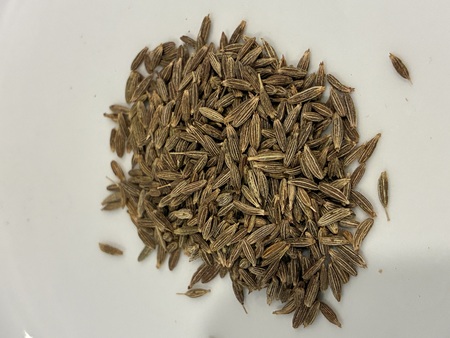
Cumin has a sharp aroma and lends a warm, earthy, slightly nutty flavor to dishes. It can be used whole or ground, and its application depends on its purpose in the dish. If used whole, it's often toasted in hot oil to deepen its flavor. Ground cumin is also a key ingredient in garam masala.
Common Spice Pairings: coriander, cardamom, turmeric, mustard seeds, clove, fennel seeds
Cardamom
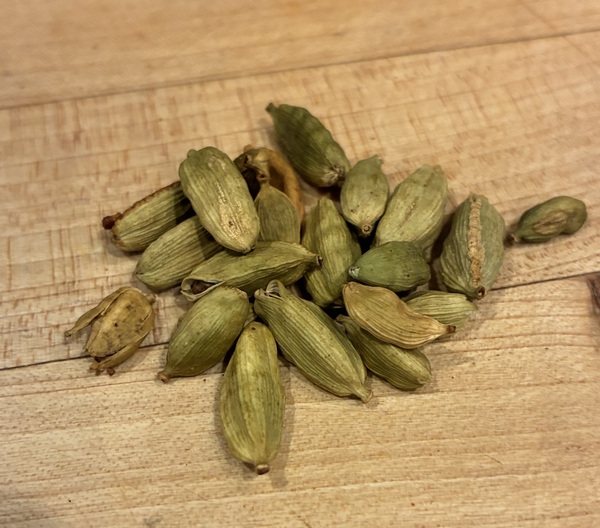
Cardamom comes in two forms: green and black. Green cardamom is more commonly used, and has a mild, slightly sweet eucalyptus flavor. It’s a versatile spice that can be used ground or whole in a variety of dishes, including sweets. If using ground, it's best to grind it right before using, as ground cardamom loses its flavor relatively quickly.
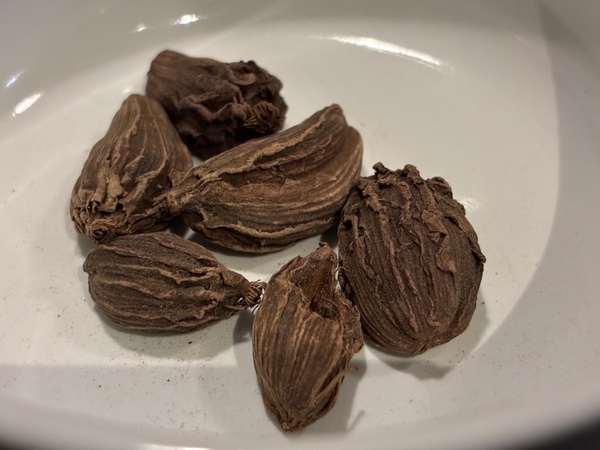
Black cardamom, on the other hand, is much more pungent, with a strong smoky flavor. It’s almost primarily used whole, unless it's ground down to add to spice blends. It's another key spice in garam masala.
Common Spice Pairings: cumin, cinnamon, coriander, ginger, star anise, clove
Clove
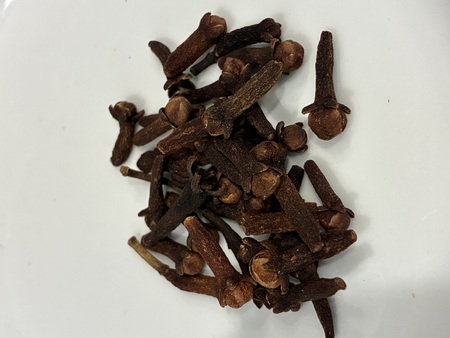
These pungent, sweet, and mildly spicy buds pack quite a punch, especially when used whole. A little goes a long way, and they can overpower the flavors of other ingredients if not used with caution. Clove is used in curries, rice dishes and desserts. Ground clove is rarely used on its own, more commonly mixed into various spice blends. It’s also a common ingredient in garam masala.
Common Spice Pairings: cinnamon, nutmeg, ginger (sweet); cardamom, coriander, cumin, fennel seeds (savory)
Cinnamon
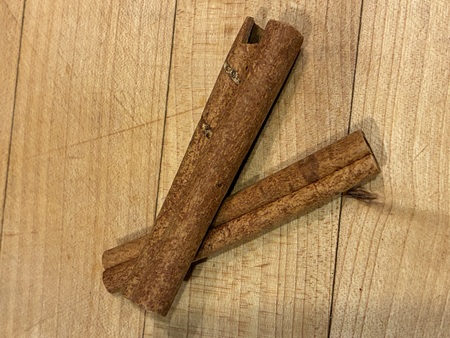
Cinnamon’s warm, sweet aroma is a staple in both sweet and savory cooking in Indian cuisine. Another vital spice in garam masala, cinnamon is used in various rice dishes, lentils, and chickpea curries like Chana masala. It’s usually added early in the cooking process.
Common Spice Pairings: cardamom, clove, coriander, cumin, nutmeg
Coriander
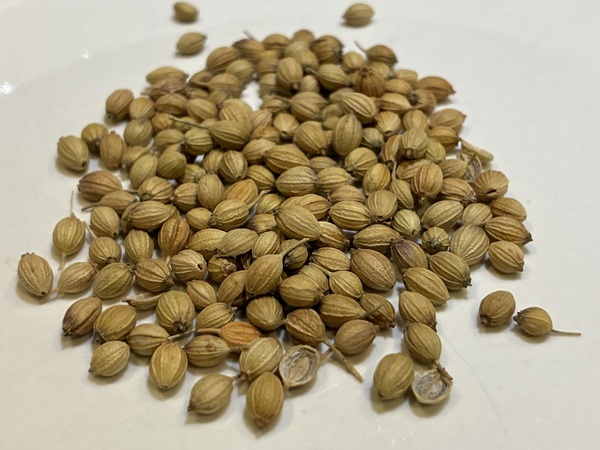
These tiny, fragrant seeds of the cilantro plant are used both whole and ground and have a tangy, citrusy flavor. If the seeds are used whole, they’re often toasted to release their flavor. Another key ingredient in garam masala, coriander can be found in almost any and every Indian spice blend. It’s often used to make pickles and various chutneys.
Common Spice Pairings: cumin, cardamom, cinnamon, clove, fennel seeds, turmeric
Turmeric
Turmeric has a woody, earthy, slightly bitter flavor that is the foundation of most curry dishes. It can be used fresh or dried, and lends a beautiful gold color to a dish.
Common Spice Pairings: cumin, coriander, mustard seeds
Garam Masala
You’ve seen the word come up about five times now if you’ve read this far. So what exactly is garam masala? The name roughly translates to “warm spice blend”. I mentioned at the beginning of this post that Indian cuisine features a lot of warming spices, and garam masala is a perfect representation of that. All of the spices in the blend provide a warming effect to your body when consumed. If you’re not sure what I mean, think of the cinnamon and cloves in chai tea, or the cinnamon and nutmeg in apple pie. Think of that warm fuzzy feeling you get when you consume foods like this.
There is no single recipe for garam masala, as the blend varies widely by region. The key spices are cinnamon, cumin, cardamom, clove and coriander, but every Indian kitchen will have a slightly different blend with various additions.
Additional Spices
There are other spices not listed here that are commonly used in Indian cooking. I didn't want this blog post to turn into an essay, so I stuck with what I found were the most common. When researching recipes, you may come across other spices such as mustard seeds, star anise, nutmeg, mace, fennel seeds, saffron, and many others. These spices may be considered essential by some Indian cooks, while others may use them more sparingly. Don’t go stocking up on 20 new spices just because you read this article. Start with a few, and branch out as you get more comfortable.
If you already understand the basics of Indian cuisine and want to elevate your dishes with more authenticity, get your hands on some of these spices:
Kashmiri Red Chili - a relatively mild red chili with a smoky flavor and deep red hue; can be used whole or ground
Hing (Asafoetida) - dried sap from the roots of ferula plant, it has a develops a flavor similar to leeks and garlic when cooked; can be found as a gum or powder
Amchoor - dried mango powder; tangy and citrusy flavor
Fenugreek Seeds - provide a sweet, nutty and slightly syrupy flavor
Carom Seeds/Ajwain - similar flavor to thyme, oregano and star anise; key spice used in samosa dough
Applications
When it comes to Indian cuisine, it's not just about what spices are used, but also how they're treated. Some are added at the beginning of cooking, while others are added towards the end. Some are toasted or bloomed in oil to help boost their flavor. Many curries are finished with an aromatic oil called tadka, which is infused with flash fried curry leaf, mustard seed, onion and green chili. This is an intentional step that not only boosts the dish’s overall flavor, but also helps activate the spices’ medicinal benefits.
When purchasing your spices, I highly recommend purchasing them whole and grinding only what you need. Ground spices lose their flavor after only a few months, but whole spices will last for years. This will help the spices you use have maximum flavor, making your food taste that much better.
What Next?
After reading all of this, you may be overwhelmed wondering where to go from here. Or maybe you're feeling so intimidated that you decide to just stick to your favorite Indian restaurants. If you're feeling this way, take a breath. You don't have to figure it all out right now, nor should you expect that of yourself. Many of these things are learned over time, through experimentation, trial and error. Research Indian recipes and learn what works. Experiment with the spice combinations listed above and notice patterns. Don't expect to learn it all after reading a few articles. Use the information presented here to guide you, and don't be afraid to make some mistakes. Learning to cook is a never ending journey, and it's always more fun when you keep an open mind!
Want to go beyond individual recipes and better understand how flavors work together? In Culinary Boot Camp, you’ll build foundational cooking skills throughout the week, culminating on Day 5 with Flavor Dynamics, where you’ll explore how taste, aroma, texture and other elements come together to create balanced, flavorful food. It’s the kind of knowledge that gives you the confidence to experiment with ingredients and spices and start cooking more intuitively.
