
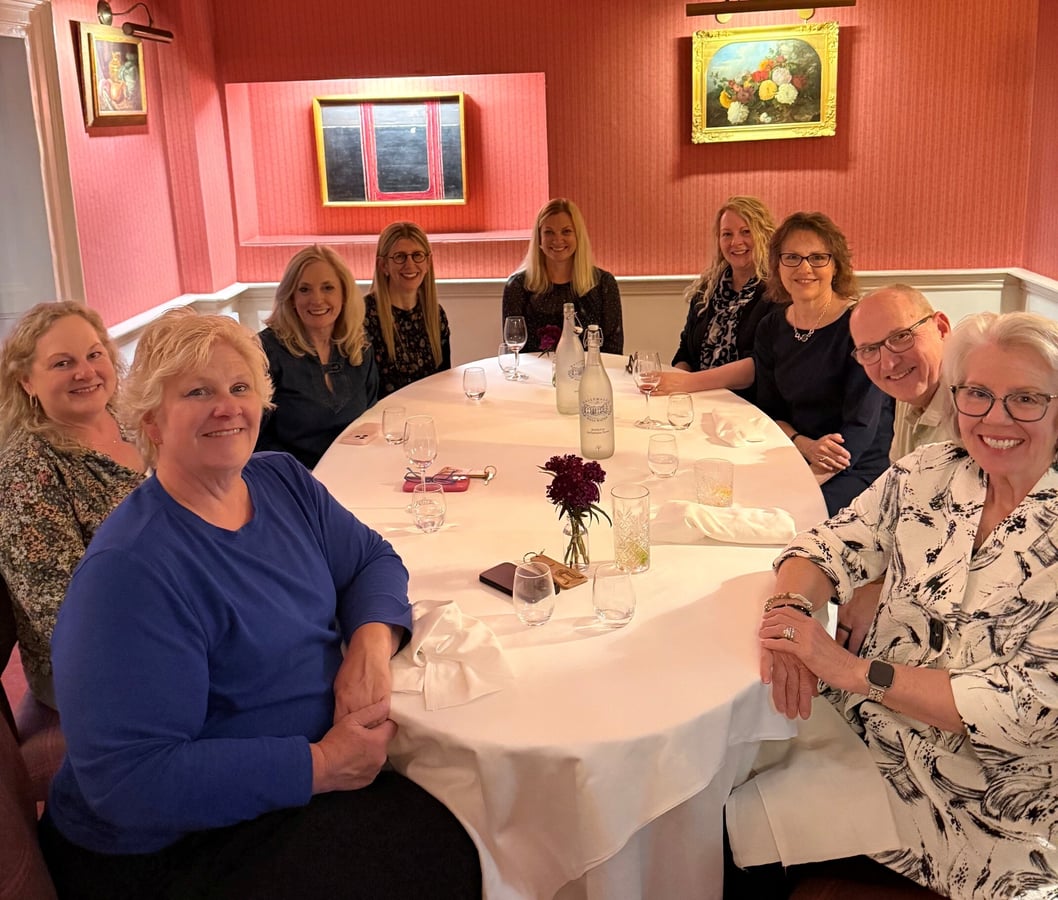
When most people think of culinary travel, destinations like Italy, France and Spain often come to mind. Ireland, on the other hand, is more likely to be associated with hearty pub fare, Guinness and potatoes. While there's certainly nothing wrong with any of those things, I discovered during a recent 10-day culinary tour of Ireland with The Chopping Block and Onward Travel that the country's food culture is far more diverse, sophisticated and ingredient-driven than many people realize.
Before this trip, I expected to enjoy some great meals. What I didn't expect was how often conversations about food would begin not with recipes or techniques, but with farmers, fishermen, producers and the land itself.
That realization began on our very first day in Dublin.
A Conversation That Set the Tone
Our welcome dinner was at Hugo's, a beloved Dublin restaurant known for showcasing seasonal Irish ingredients. The meal itself was excellent. I ordered scallops that were beautifully prepared and highlighted the freshness of the seafood rather than masking it with heavy sauces or elaborate garnishes.
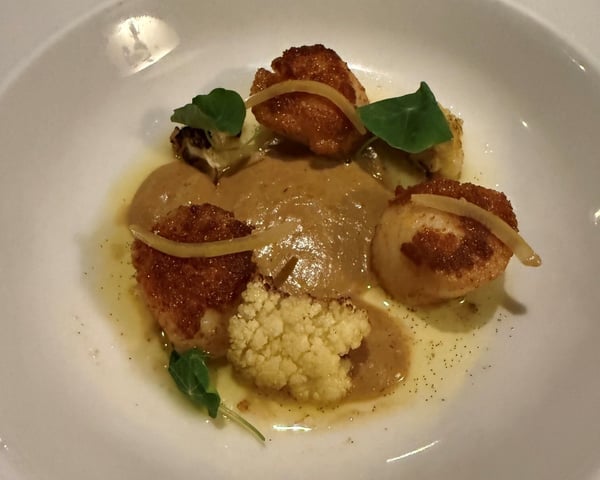
Scallops at Hugo's in Dublin
What made the evening memorable, however, wasn't what was on my plate.
After dinner, the owner joined our group and spent nearly 20 minutes speaking passionately about the restaurant's commitment to sourcing ingredients from local farmers, fishermen and producers. She discussed the relationships she has built over the years and why understanding where food comes from is just as important as knowing how to cook it.
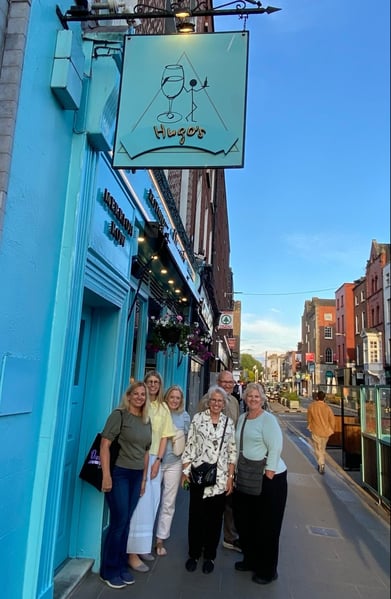
Post dinner at Hugo's in Dublin
It was our first introduction to the warmth and generosity that would define so many interactions throughout the trip. More importantly, it introduced a theme I would encounter again and again across Ireland: great food starts with great ingredients and the people who produce them.
Ireland's Remarkable Seafood Culture
As someone who lives on the Gulf Coast and appreciates fresh seafood, I had high expectations. Ireland still managed to surprise me.
Seafood appeared on menus throughout the country, often prepared simply enough to allow the quality of the ingredients to shine.
One fish I encountered repeatedly was hake. While not especially common in the United States, hake is a mild white fish prized throughout Europe for its delicate flavor and flaky texture. I enjoyed it very much at Hilda's at the Lake in Killarney, but its frequent appearance on menus spoke to its importance in Irish coastal cuisine.
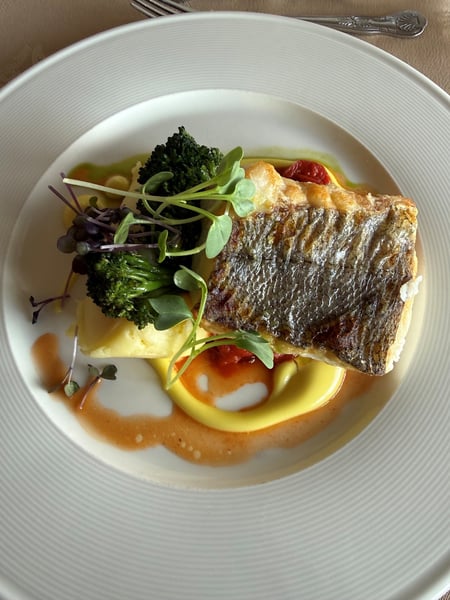
Hake at Hilda's at the Lake
Another fish that appeared regularly was monkfish. Often called the "poor man's lobster" because of its firm, meaty texture, monkfish is a staple of many Irish seafood menus. I even came face-to-face with an entire monkfish during a visit to the English Market in Cork City. The fish was enormous and, frankly, looked more like a sea monster than something destined for a dinner plate.
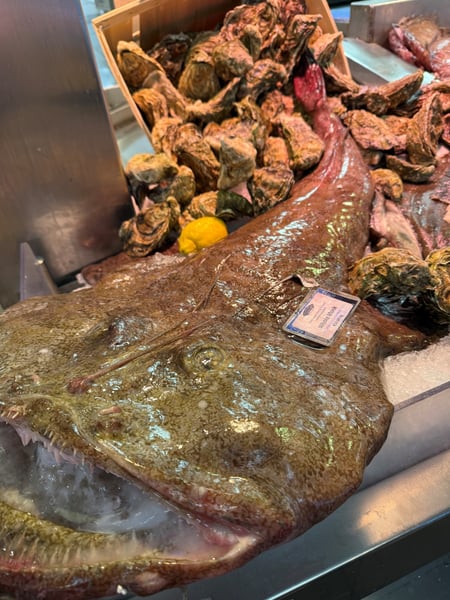
Whole monkfish at the English Market in Cork City
Seeing it whole gave me a greater appreciation for the monkfish dishes I enjoyed later in the trip, including a memorable preparation at Ballymaloe House served with Riesling Beurre Blanc.
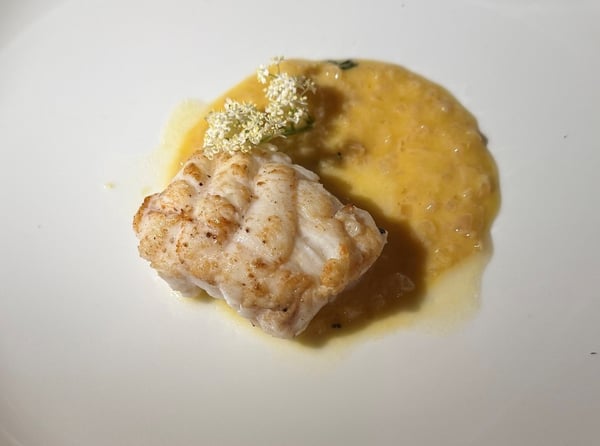
Hake with Riesling Beurre Blanc at Ballymaloe House
Seafood wasn't limited to just fine dining restaurants. At the Old Ground Hotel in Ennis, I began dinner with a seafood appetizer featuring smoked salmon, shrimp and crab before enjoying short ribs as my main course. Throughout the trip, seafood consistently reflected the freshness and quality of Ireland's coastal waters.
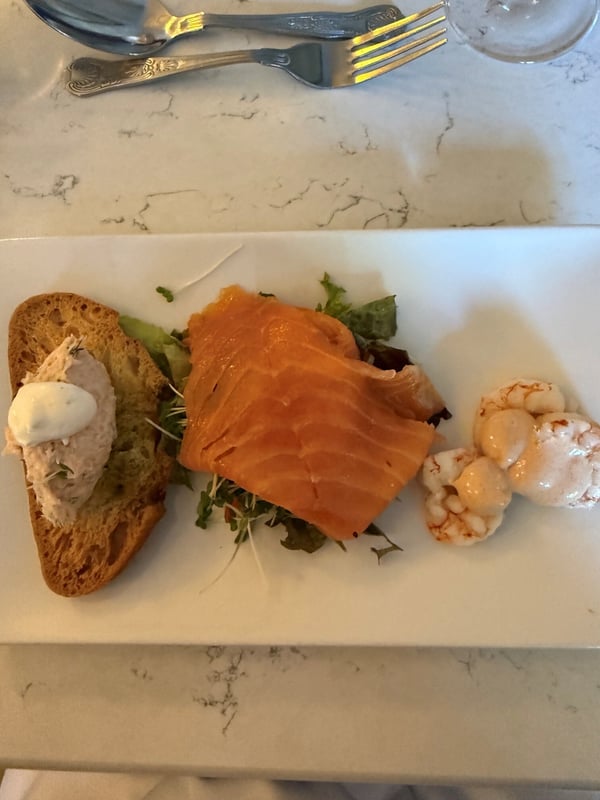
My first course at the Old Ground Hotel
From the Sea to the Table
If Hugo's introduced me to Ireland's commitment to local sourcing, Sally Barnes showed me what that commitment looks like in practice.
Barnes is one of Ireland's most celebrated fish smokers, and our visit to her smokehouse, The Keep, was one of the most memorable experiences of the trip.
Rather than simply serving us lunch, Barnes invited our group to experience where that lunch began.
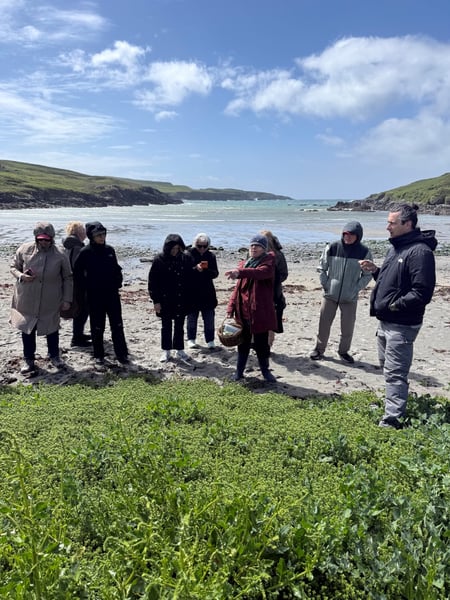
Foraging local beaches with the legendary Sally Barnes
Our morning started on three local beaches (including one excursion during a heavy downpour), where she personally guided us in foraging for ingredients she would later use in the meal. Along the way, she shared her knowledge of sea vegetables, coastal ecosystems and the traditions that have shaped Irish food culture for generations. It was fascinating to look at a shoreline and see ingredients where most people would simply see scenery.
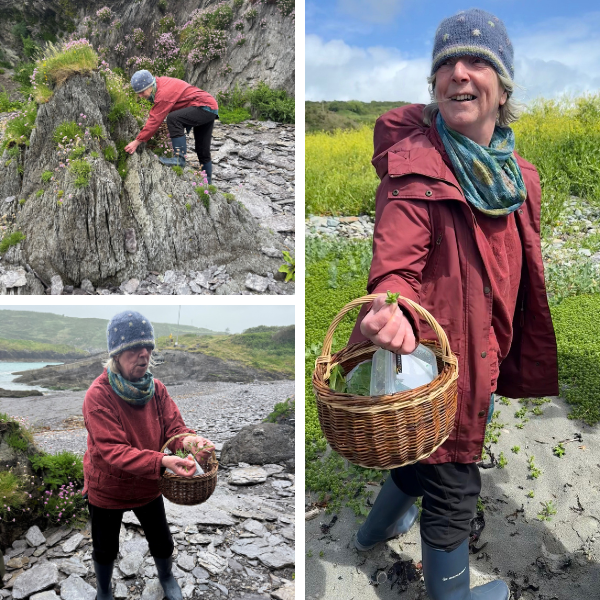
Foraging local beaches with the legendary Sally Barnes
By lunchtime, those ingredients had made their way to the table at The Keep, where we enjoyed a meal featuring smoked fish, local cheeses, Irish soda bread and butter, a beautiful green salad with edible flowers, and a risotto incorporating ingredients gathered from the coastline just hours earlier.
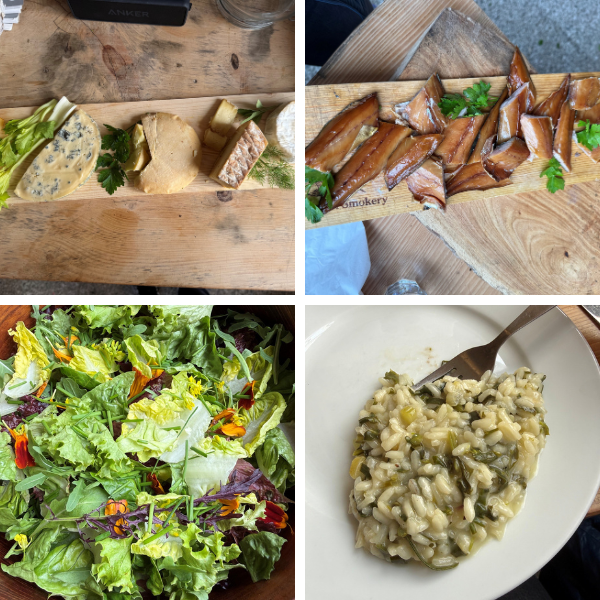
Lunch at The Keep
As we ate, Sally spoke about her career, the history of smoking fish in Ireland and her commitment to preserving traditional techniques. Like many of the people we met throughout Ireland, she was eager to share not only her food but also the stories behind it.
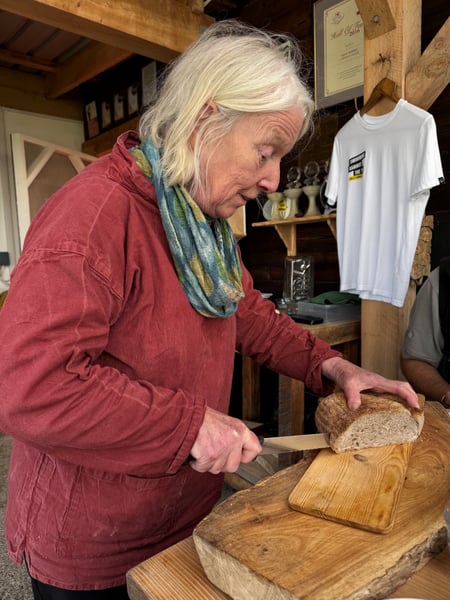
Sally slices her soda bread
The experience reinforced one of the biggest lessons of the trip: some of the most memorable meals aren't defined by elaborate presentations or luxury ingredients. They're memorable because they create a deeper understanding of where food comes from and the people who dedicate their lives to producing it.
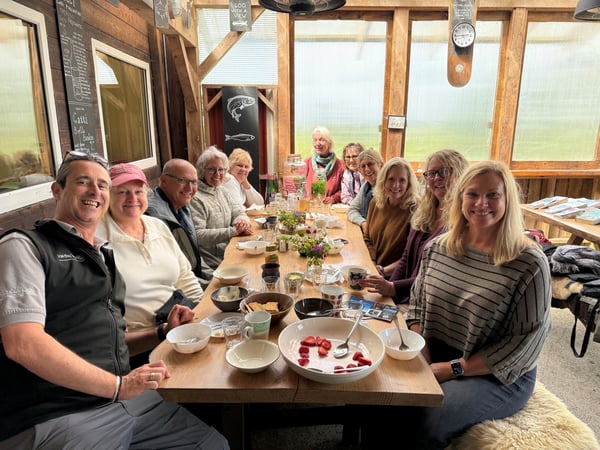
Lunch with Sally Barnes
Dublin Through a Local's Eyes
Another highlight of our time in Dublin was spending the day with Chef Ann Tomlin, founder of Irish Craic and Cuisine. "Craic" is an Irish word that roughly translates to fun, entertainment and good conversation, and Ann's food tour delivered all three.
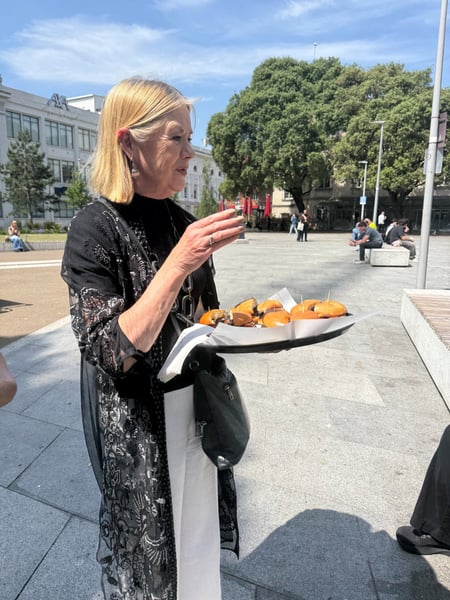
Ann Tomlin's food tour of Dublin
Rather than focusing on tourist attractions, she introduced us to local businesses, neighborhood food spots and some of the foods that Dubliners enjoy every day. We sampled fresh oysters outdoors, explored areas of the city many visitors might overlook and experienced Dublin through the eyes of someone who truly loves sharing her city.
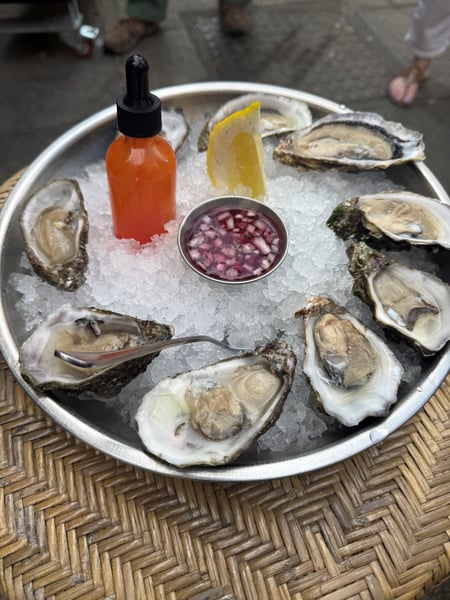
Fresh oysters in Dublin
That willingness to share seemed to be woven into the fabric of Irish hospitality. Everywhere we went, people were eager to tell stories, explain traditions and introduce us to foods that mattered to them.
Yes, I Had Fish and Chips
Of course, no trip to Ireland would feel complete without trying fish and chips.
Before attending the Celtic Steps performance in Killarney, we stopped at The Laurels for a traditional version of the dish. It was exactly what you hope fish and chips will be: crispy, satisfying and comforting. Experiencing classic Irish pub fare helped me understand why it remains so beloved.
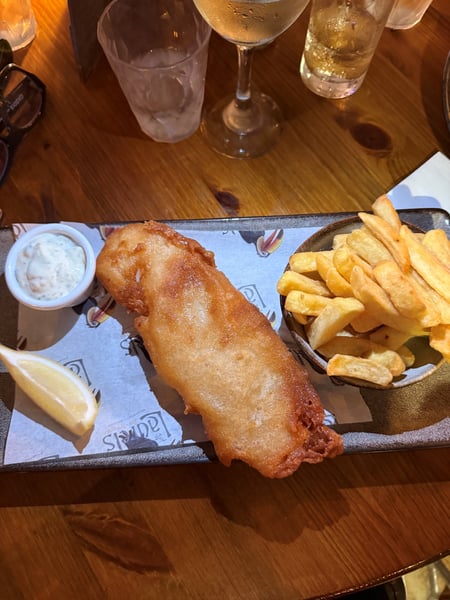
My only Fish & Chips meal of the trip
But what struck me throughout the trip was that while these traditional dishes are certainly part of Ireland's culinary identity, they represent only a small portion of what the country has to offer.
The Ireland I experienced was just as likely to serve elegant seafood, beautifully prepared vegetables and thoughtful seasonal dishes as it was a hearty stew.
Ballymaloe House: The Meal I'll Remember Most
While there were many memorable meals throughout the trip, Ballymaloe House stands apart.
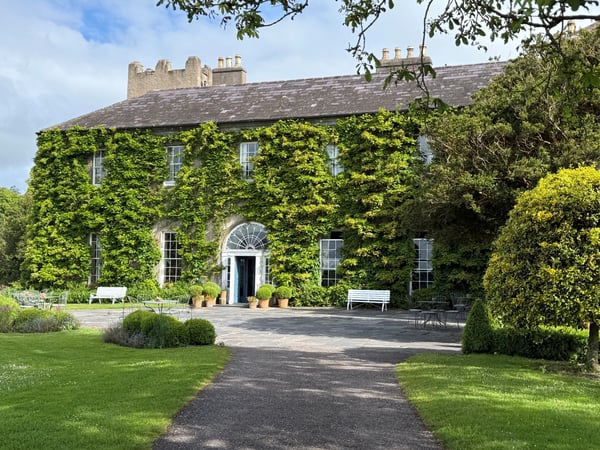
Ballymaloe House
Located in County Cork, Ballymaloe House has earned an international reputation for its commitment to local ingredients, hospitality and exceptional cooking. We enjoyed two dinners there, and both were remarkable.
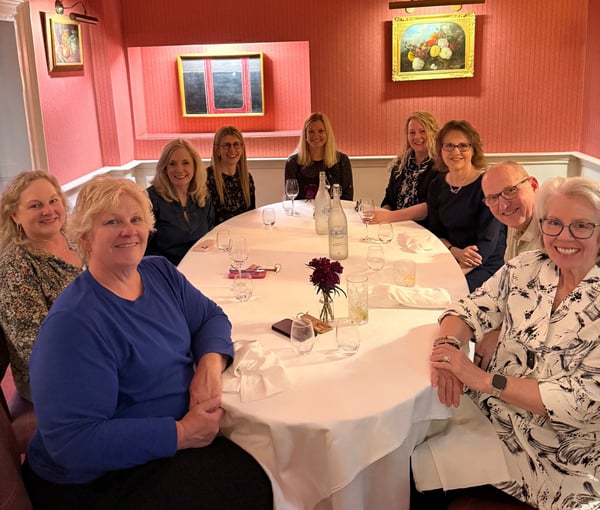
Our final meal at Ballymaloe House
The single best bite of the entire trip for me was the lamb served during our first dinner. Perfectly cooked and incredibly tender, it practically melted in my mouth. It was one of those rare dishes that immediately makes you stop talking and simply appreciate what's on your plate.
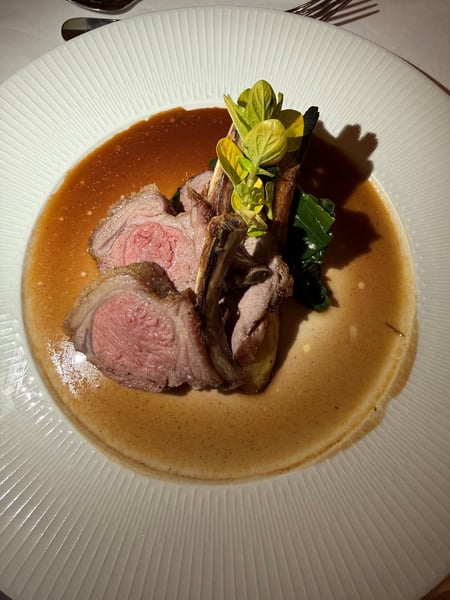
Ballymaloe House lamb dish
The dish featured East Cork rack and leg of lamb with mint jus, roasted parsnips and sautéed spinach. Every element was beautifully executed, but what stood out most was the quality of the ingredients and the restraint shown in letting them speak for themselves.
My meal also included lobster bisque with parsley and Jersey crème fraîche and Ballycotton monkfish with Riesling beurre blanc, both showcasing Ireland's outstanding seafood.
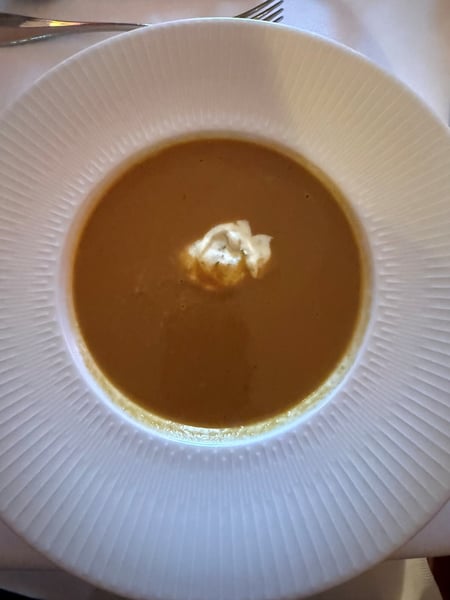
Lobster Bisque
The famous Ballymaloe Sweet Trolley lived up to its reputation as well. Choosing dessert felt less like ordering and more like being presented with a collection of edible treasures that was wheeled right up to our table.
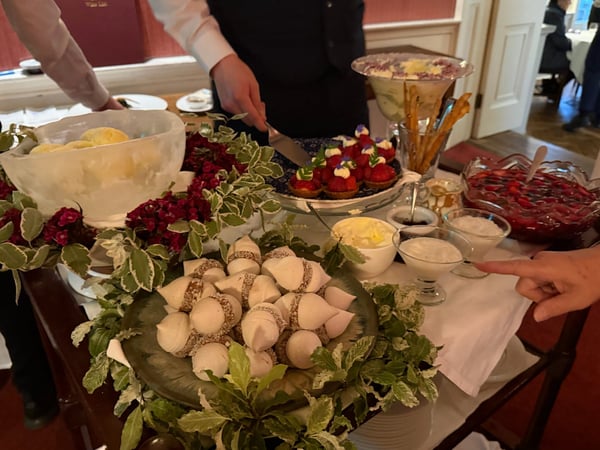
Ballymaloe Sweet Trolley
My final dinner at Ballymaloe House was equally memorable, beginning with organic smoked salmon blini with pickled red onion and Jersey crème fraîche, followed by garden courgettes (zucchini), globe artichokes and grilled asparagus before an entrée of Ballymaloe Farm pork with fennel jus, chermoula, aubergines (eggplant) and spinach.
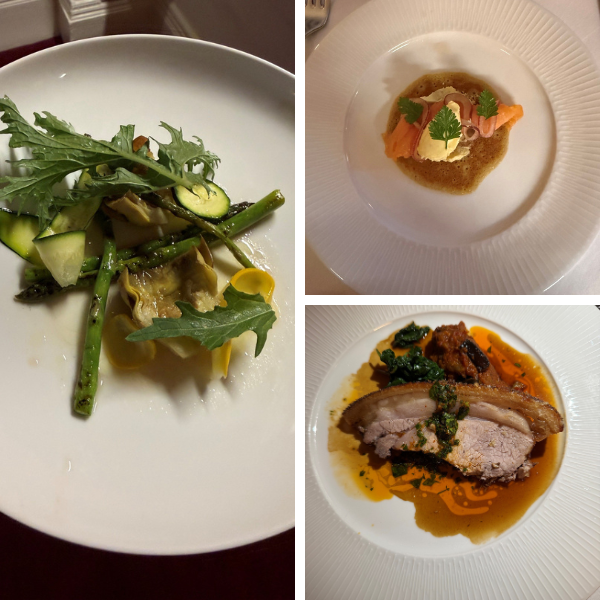
My final meal at Ballymaloe House
Even breakfast was exceptional.
For two consecutive mornings, I ordered the same dish: roast Garryhinch mushrooms on brown toast with caramelized mushroom purée, tarragon and chives. It was one of those deceptively simple dishes that demonstrates how extraordinary ingredients can become when handled thoughtfully.
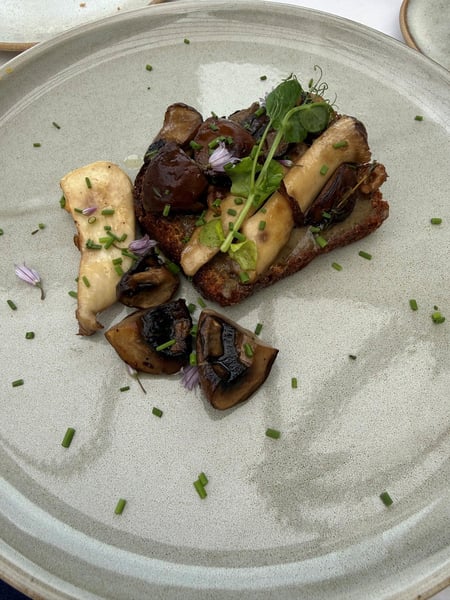
My favorite Ballymaloe breakfast
And every afternoon, guests gathered for tea and cake, another example of the hospitality that seemed to define so much of our Irish experience.
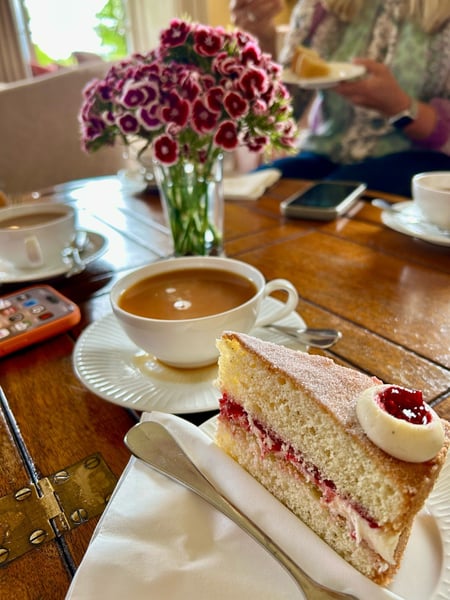
Afternoon tea and cake at Ballymaloe House
Ireland's Secret Ingredient
Looking back, what stands out most isn't a single dish or restaurant. It's the generosity of the people we met along the way.
Whether it was a restaurant owner discussing local suppliers, Ann Tomlin introducing us to her favorite food spots, Sally Barnes sharing stories over lunch at The Keep or the staff at Ballymaloe House encouraging us to linger over tea and cake, there was a genuine desire to share Ireland's food culture with visitors.
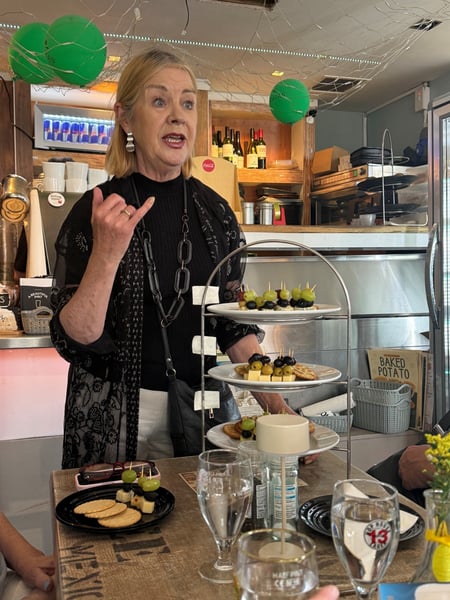
Ann Tomlin's food tour of Dublin
That spirit of hospitality may be the country's greatest culinary ingredient.
By the end of the trip, I had stopped thinking about Ireland as a destination known primarily for pub food. Instead, I saw a country where chefs, farmers, fishermen and producers share a deep respect for ingredients, tradition and hospitality.
The more time I spent in Ireland, the more I understood why food lovers are beginning to recognize it as a world-class culinary destination. And just when I thought I had a good understanding of Irish food culture, it was time to step into the kitchen myself.
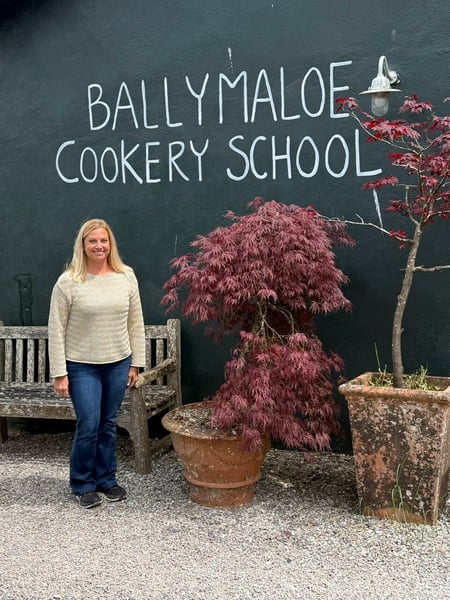
In part two of this blog series tomorrow, I'll share what our group learned while cooking in two very different Irish kitchens: a traditional home kitchen in Dublin and the world-renowned Ballymaloe Cookery School.
