
When the dog days of summer arrive, there’s one category of fruits I get more excited for than any others: melons. These beautiful fruits are too often overlooked, simply balled up into fruit salads or sliced and forgotten at the barbeque. But they present exciting potential for so much more than that with just a tiny bit of extra love.
Here’s your one-stop shop for melons of all kinds, from which types to look out for to how to eat them all summer long.
Types of Melons
Most melons are either in the watermelon family or the muskmelon family, which is more commonly referred to as cantaloupe. The honeydew, which we see at the grocery store and on fruit trays all year long, is a member of the muskmelon family. Though these standard three melons are often lackluster and even lacking in color at the grocery store throughout the year, in the summer, they shine. Ask your farmers for heritage varieties that they grow on their farm, and be on the lookout for samples at the market—that’s the best way to get a taste for each variety of melon.
How to Find a Ripe Melon
When testing for ripeness at the market, treat watermelons differently than you would muskmelons. Watermelons should have a matte skin with no discernable shine and feel heavy and solid when you pick them up. I also like to look for pale yellow spots on the rind. Muskmelons (remember, those are melons like honeydew and cantaloupe) should smell fragrant by the stem ends and have golden and yellow hues to their rinds.
How to Store Melons
When you get home from the market, the best way to store melons is to wait as long as you can before cutting into them. Unlike other fruits and vegetables that are best cut up or portioned right when you get home, melons hold their moisture and flavor in until they’re cut. They don’t continue to ripen. Watermelons stay as they are and muskmelons might get softer and juicier, but not sweeter.
Once you cut into the melon, store the cut pieces in an airtight container in the refrigerator. The sliced melon will last around three to five days, but after that, it’s not at its prime and may even be bad.
How to Cook Summer Melons
Because these summer melons are so delicious on their own, coming up with ways in which to cook them isn’t top of mind for many cooks. I like to lean into the sweetness and juicy nature of the melons by pairing them with sharp, salty flavors.
- Simple salads: Toss cubed watermelon with briny feta, mint, and fresh cracked black pepper. Wrap cantaloupe in salty, fatty slices of prosciutto. Drizzle thin slices of honeydew and cucumber with chili crisp oil and garnish with Thai basil.
- Grill it up: Wide planks of melon, especially watermelon, work great on the grill. I love to brush the watermelon with olive oil, then char it briefly before pairing it with halloumi, fresh herbs, and a squeeze of lemon juice.
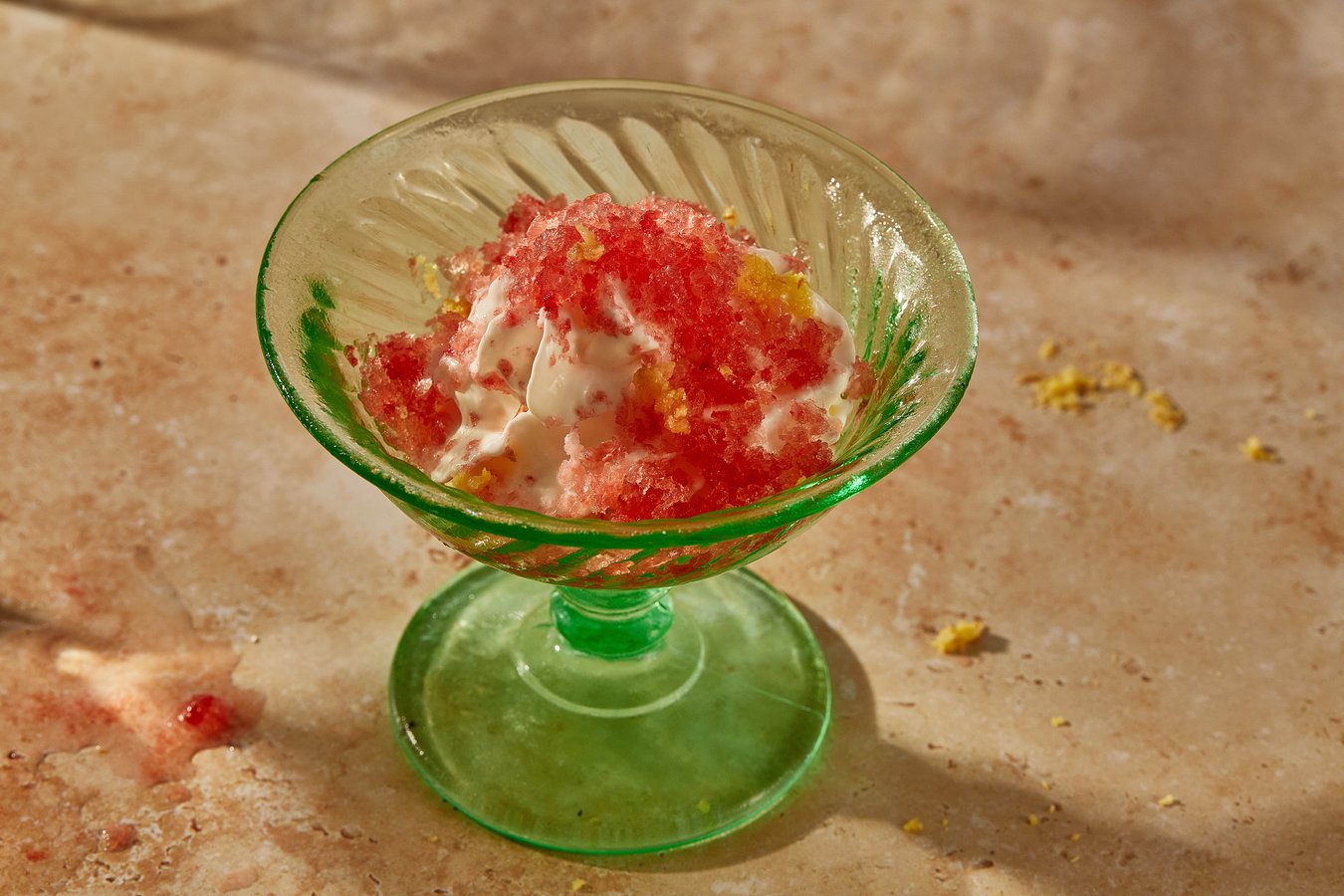
- Make the freezer your friend: I love making watermelon granita, cantaloupe sorbet, and frozen honeydew mocktails to refresh myself during the heat waves of summer. Make sure you cut the melon off the rind before freezing, and always use a container with an airtight lid so the delicate flavors of the melon stay front and center and don’t take on any freezer burn.
How to Use Up What’s Left
No matter how fast we eat it, there’s always a little bit of the melons I buy that are leftover. Instead of tossing them, try using them in a surprising summer salsa, a sweet gazpacho, frozen cocktail, or morning smoothie.
The Chopping Block is featuring Prosciutto, Melon and Burrata Salad in a new hands-on class coming up in September: Late Summer in Italy: A Seasonal Italian Feast.
I'd also encourage you to experience the farmers market in a whole new way with our Farmers Market Tour and Cooking Demo. Join one of our chef instructors for a guided tour of the Lincoln Square Farmers Market, where you'll learn how to select the freshest seasonal produce at its peak before heading back to our kitchen to watch those ingredients transformed into a delicious vegetarian dish. Along the way, you'll gain practical skills for choosing ripe fruits and vegetables, understanding seasonality, and composing balanced dishes, making it the perfect way to put these melon tips and other late-summer produce inspiration into practice.
