
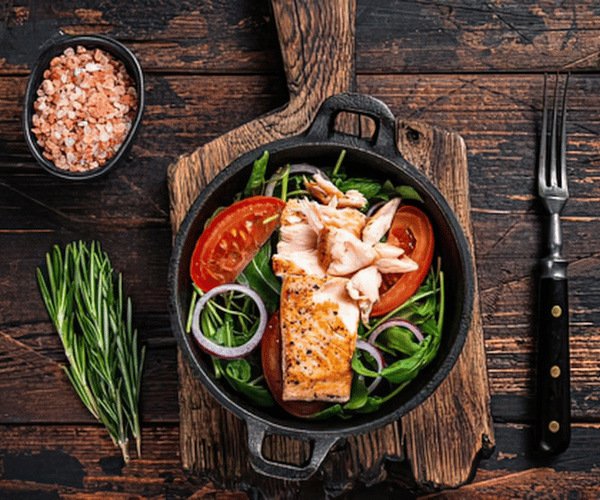
We’ve all been there before, coming home after a long day and craving a home-cooked meal. You kick off your shoes and walk into the kitchen, ready to make something delicious. That’s when you see it: the pile of dirty dishes in the sink you told yourself you’d do today. Suddenly, the thought of washing all those dishes and making dinner is enough to make you reconsider your plans.
As a chef, dirty dishes are the bane of my existence. I’m lucky enough to work with incredible people who wash dishes for me, but that luxury doesn’t follow me home. I love using all my metal bowls to prep and organize my ingredients when I cook, even as I continue to ignore the ever-growing pile of dishes in my sink. My apartment didn’t come with a dishwasher, and I’m admittedly a “let’s do it tomorrow” person. When tomorrow comes, I scold my past self.
Fortunately, I’ve found a way to make cooking at home a little more manageable: one-pan meals. When you hear that term, you probably think about a big pot of stew or a sheet pan of roasted vegetables, but there’s so much more you can accomplish with a single cooking vessel. With a few simple techniques, you can create flavorful, satisfying meals without spending your entire evening cooking and cleaning.
Let’s explore how to make the most of one-pan cooking.
What Exactly Is a One-Pan Meal?
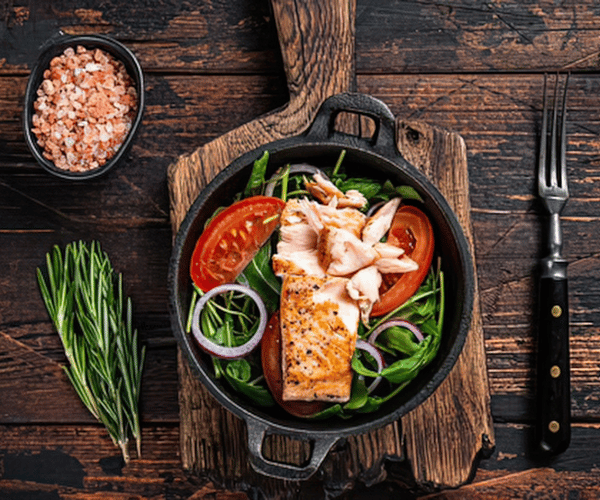
Essentially, a one-pan meal is a complete meal that requires only one cooking vessel. Obviously, you’ll still need a knife, cutting board and maybe a few utensils to finish the job, but the goal is to minimize the amount of equipment you use without sacrificing flavor or variety.
One-pan cooking also gives you the opportunity to build flavors as you go. Rather than cooking your protein, vegetables and starch separately, you can often take advantage of the flavors each ingredient contributes to the pan. The juices from roasted chicken can flavor your potatoes, while the browned bits left behind after searing meat can become the foundation of a delicious sauce.
What Kind of Pan Should I Use?
Choosing the right cooking vessel depends on what you’re making and the cooking techniques involved. You probably already have several great options in your kitchen:
- Dutch oven: Ideal for soups, stews, braises and dishes that benefit from slow, moist cooking. Its ability to retain heat makes it particularly useful for dishes that start on the stovetop and finish in the oven.
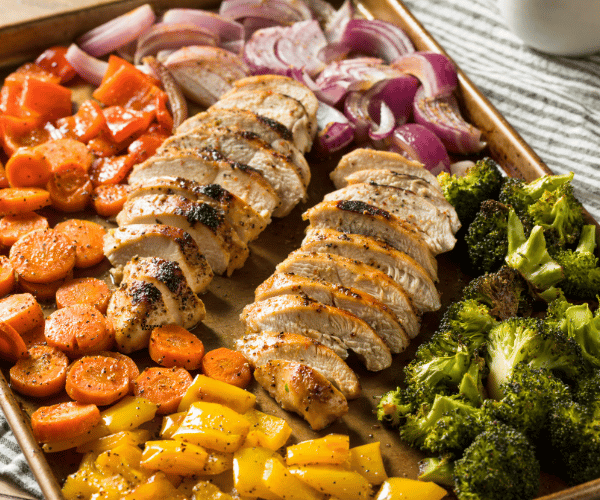
- Sheet pan: Great for roasting proteins and vegetables together. Its large surface area allows ingredients to brown and caramelize, provided you don’t overcrowd the pan.
- Cast iron skillet: Excellent for searing meats, developing a flavorful crust and transitioning from the stovetop to the oven.
- Sauté pan: Its wide cooking surface and straight sides make it a versatile option for one-pan pasta dishes, grains, vegetables and proteins cooked with sauces.
Whatever vessel you choose, make sure it’s large enough to accommodate your ingredients. Overcrowding a pan traps moisture and causes food to steam rather than brown, which can prevent you from developing those delicious caramelized flavors.
How Do I Know What to Shop For?
The great thing about one-pan meals is that they tend to use a lot of ingredients you already have in your pantry. Canned beans, grains, pasta, canned tomatoes, stocks and sauces are all great starting points. The main grocery items you might need are a protein and some fresh vegetables, plus any extras you’d like to throw in.
Think about building your meal around a few basic components:
- Protein: Chicken, pork, fish, shrimp, tofu or beans
- Vegetables: Whatever is in season or needs to be used up in your refrigerator
- Starch: Potatoes, rice, pasta, farro or other grains
- Flavor builders: Garlic, onions, herbs, spices, stock or wine
- Finishing ingredients: Fresh herbs, citrus juice, vinegar or grated cheese
Not every meal needs all five components, but this is a helpful framework when you’re looking at what you have on hand and trying to figure out what to make for dinner.
Do I Just Throw Everything into a Pan? Is It That Easy?
Unfortunately, it’s not quite that simple. Depending on your protein, vegetables and cooking vessel, you’ll need to follow a few steps to ensure everything cooks properly and safely.
The key to successful one-pan cooking is understanding how to layer your ingredients and flavors.
Start by building flavor. If you’re making a stovetop meal with meat, consider searing your protein first and temporarily removing it from the pan. Those browned bits left behind, known as fond, are packed with flavor. Adding aromatics such as onions and garlic, followed by a splash of stock or wine to deglaze the pan, creates a flavorful foundation for the rest of your dish.
Consider cooking times. Dense vegetables such as potatoes and carrots generally take longer to cook than broccoli, zucchini or leafy greens. When making a sheet pan meal, give the ingredients that require more time a head start before adding quicker-cooking ingredients. Cutting vegetables into appropriately sized pieces also helps everything finish cooking at the same time.
Pay attention to moisture. When cooking rice, pasta or other grains directly in your pan, you’ll need enough liquid for them to cook properly. Keep in mind that vegetables release moisture as they cook, and some liquids will evaporate during the cooking process. Check your dish periodically and adjust as needed.
Finish with something fresh. A squeeze of lemon, a splash of vinegar, a handful of fresh herbs or a sprinkle of Parmesan can brighten the flavors of a dish, particularly one that has been simmering or roasting for a while.
Once you become comfortable with these techniques, you’ll find it much easier to improvise with the ingredients you already have rather than relying on a specific recipe every time.
One-Pan Meal Ideas to Get You Started
If you’re looking for inspiration, here are a few combinations that work particularly well with different cooking vessels.
- Sheet Pan Lemon-Herb Chicken with Potatoes and Broccoli: Give your potatoes a head start in the oven before adding seasoned chicken thighs and, later, broccoli. Finish with fresh lemon juice and herbs.
- Dutch Oven Braised Chicken with White Beans and Kale: Sear your chicken, sauté aromatics and deglaze with stock or wine. Add the beans and return the chicken to the pot to braise until cooked through and tender. Stir in the kale toward the end of cooking.
- Cast Iron Pork Chops with Apples and Brussels Sprouts: Sear the pork chops, then remove them from the skillet while you sauté the Brussels sprouts and apples. Return the chops to the pan to finish cooking, adding a touch of Dijon mustard or apple cider vinegar to balance the sweetness of the apples.
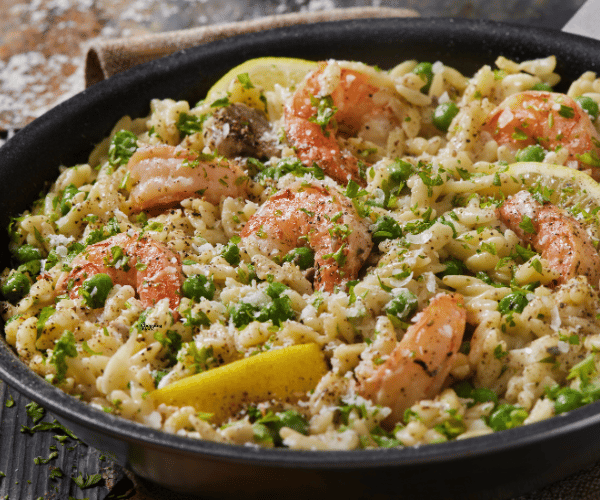
- Mediterranean Shrimp and Orzo: Sauté garlic and tomatoes, then add orzo and stock. Once the orzo is nearly cooked, add the shrimp and spinach. Finish with lemon juice, fresh herbs and crumbled feta.
These are just starting points. Swap out vegetables, experiment with different seasonings or use whatever protein you have available. Understanding the cooking process gives you the flexibility to make each dish your own.
Is One-Pan Cooking Really Cheaper and Easier?
It depends on the ingredients you choose and what your normal shopping budget looks like, but one-pan cooking can certainly help you save time, reduce food waste and make better use of what you already have.
I’m particularly guilty of buying canned goods with the best of intentions and then forgetting about them for months. One-pan meals are a great excuse to rummage through the pantry and refrigerator before heading to the grocery store.
Some of my favorite benefits of one-pan cooking include:
- Less time spent gathering equipment and cleaning up afterward
- Opportunities to use up leftover ingredients and pantry staples
- A simpler cooking process without juggling multiple pots and pans
- Greater control over the ingredients, portions and seasoning in your meals
- More flexibility to experiment with flavors and ingredient combinations
Finding the Balance Between Convenience and Home Cooking
We all have busy and complicated lives, and sometimes home cooking is one of the first things to go. Even as a chef, I get tired of cooking food for myself on a regular basis. There’s nothing wrong with ordering takeout or supporting your favorite neighborhood restaurants, but I also can’t ignore the feeling of satisfaction and pride I get when I sit down and enjoy a meal that I cooked.
For me, one-pan meals help strike that balance. They allow me to enjoy the process of cooking without turning dinner into an elaborate production or leaving myself with an entire kitchen’s worth of dishes to wash.
The next time you’re dreading those dishes when you get home, start with a single pan and a few ingredients you already have on hand. You might be surprised by how much flavor you can develop with so little equipment.
Need some inspiration? Chef Lisa has a great One-Pot Pasta recipe that’s perfect for clearing out the refrigerator and pantry.
If you love cozy meals, join me for my upcoming Italian-inspired comfort food Tasting Table on Tuesday, December 22 at 6pm, where I’ll demonstrate how simple cooking methods can produce delicious, comforting food.
