
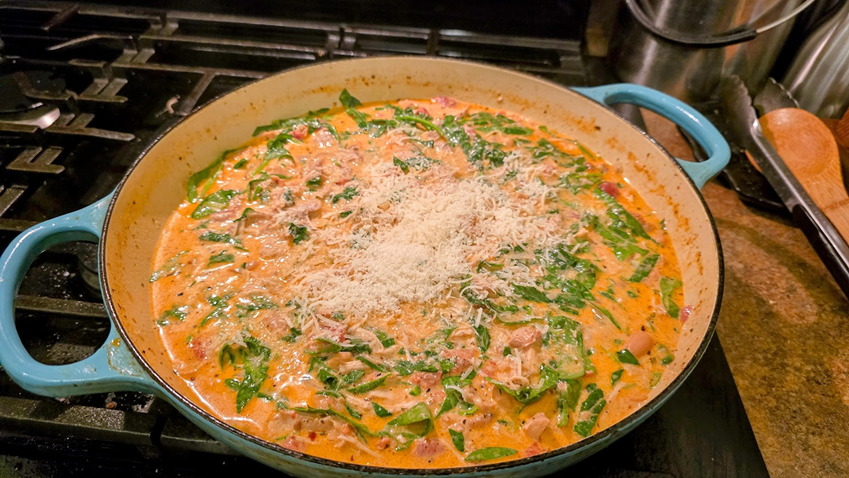
When the weather outside is frightful and you surely don’t want to leave the house to get groceries, don’t fret - you probably have plenty of ingredients in your house to throw together a great one pot meal.
One of my favorite cold weather cooking techniques is braising. This method of cooking breaks down into five very easy steps and lends itself to customization based on whatever ingredients you have on hand. I decided to clean out my pantry and fridge by making this one pot pasta dish. I will be honest - my favorite way to cook is just throwing ingredients together and figuring it out. This may sound daunting but if you can remember these simple steps, you too can make quick and easy one pot meals.
I love when my husband tells me we don’t have anything in our house to eat because my first thought is “Challenge accepted!” In our Culinary Boot Camp class, we really take the time to go in-depth about all the cooking techniques to make you feel more comfortable and confident in your own kitchen. We really pride ourselves in making sure students can feel good about cooking without recipes! Once you understand the following steps and learn to trust yourself cooking will get easier.
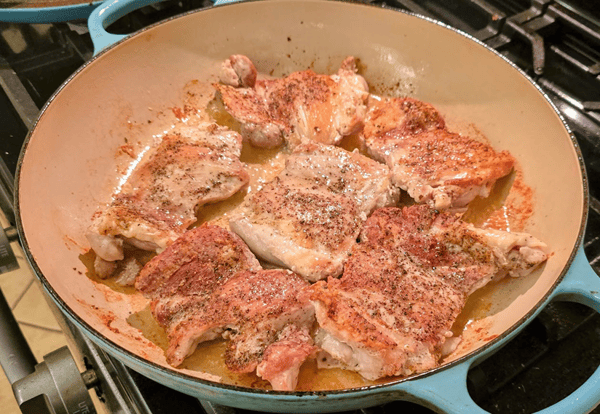
First Step: Sear a Protein
In a braise, a fattier or tougher cut work best. Think pork shoulder or beef chuck. In this case, I used chicken thighs as opposed to chicken breast which could end up dry in this application. This is a great way to utilize proteins that have been in the freezer. Once the protein is browned on all sides, remove it from the pan. (I use the lid of my pan to collect all of the juices from the meat.) The meat does not need to be cooked all the way through. It will finish cooking in the liquid later. We are just trying to build up flavor in the pan.
Second Step: Sauté Vegetables
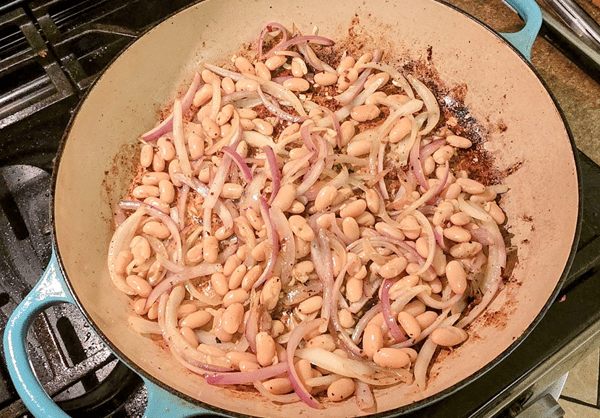
Here is where you can get creative and use what you’ve got! Any vegetables that aren’t looking so great or canned goods from the pantry can work in this step. Some things to remember: start with bigger vegetables like carrots, onion, celery, mushrooms, etc. You want to get some nice caramelization to form on them but try not overcook in this step before then adding smaller aromatics like garlic, ginger or dried spices. Those only take about 30 seconds to a minute to cook. In my recipe, I sauteed onions and white beans first then added garlic.
Third Step: Deglaze
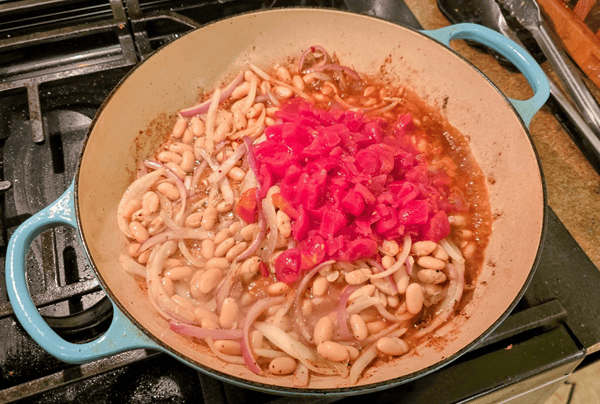
All this means is to add liquid to the hot pan to loosen and dissolve the “fond” - all the beautiful brown bits on the bottom left after searing and sautéing to deepen the flavor of the sauce. Usually this is done with wine or other alcohol or any other acidic ingredients work best but even just adding some stock or water will do the trick. I did not have any open wine so I went with canned diced tomatoes to deglaze with. I made sure to really scrap the bottom of the pan once I added them.
Fourth Step: Cooking Liquid
In this step, we return the protein back to the pan and add the cooking liquid. I generally match my protein and stock but worst-case scenario if you don’t have stock in your cupboard, you may use water. Other liquids that work for braising other than stock would be tomato sauce, coconut milk, beer, or even wine. At the very least I always try and have enough liquid to be halfway up the sides of the protein, it doesn’t need to be fully submerged. Once you have your protein and liquid in; you want to bring the pot up to a boil before then turning down the heat, covering the pan, and simmering slow and low. You will know your braise is done once you can quite literally stick a fork in it and the meat is tender or falling apart.
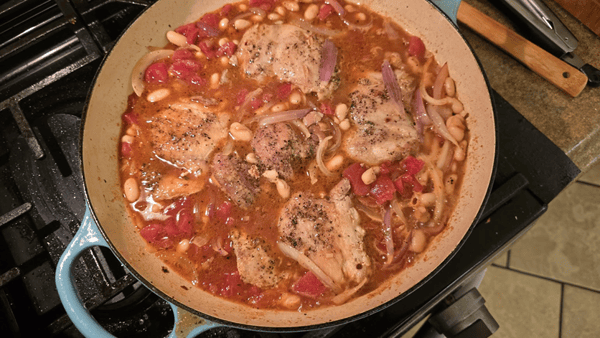
This would also be the time to add any dried herbs and in my case, I put in oregano and a Parmesan rind for added flavor.
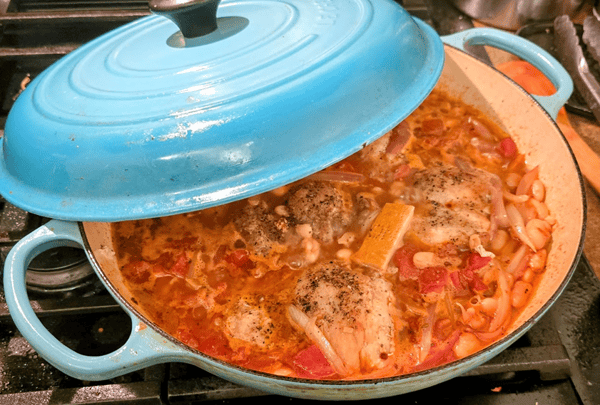
Fifth Step: Finishing Touches
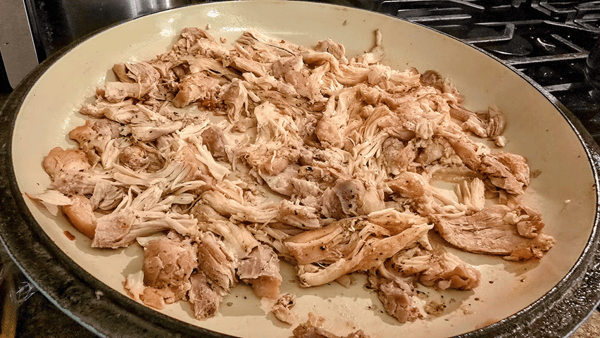
Once the meat is cooked your braise is technically done and ready to enjoy. But, you can always take it a step further if you wanted. My plan was to turn this into a pasta meal so I took the thighs out and shredded them in order to enjoy a piece in every bite. Also when cooling your sauce down the meat absorbs all of the flavorful liquid and this type of dish reheats beautifully. I like to keep my pasta and sauces separate for reheating personally.
Another way I like to finish off my braises is with anything green! I used chopped spinach and some basil that was going bad to brighten up the dish. I also had a little heavy cream left over that I splashed in at the end with some grated Parmesan. Whenever I am adding dairy, cheese, or anything green, it is the very last thing I add to the pot right before eating.
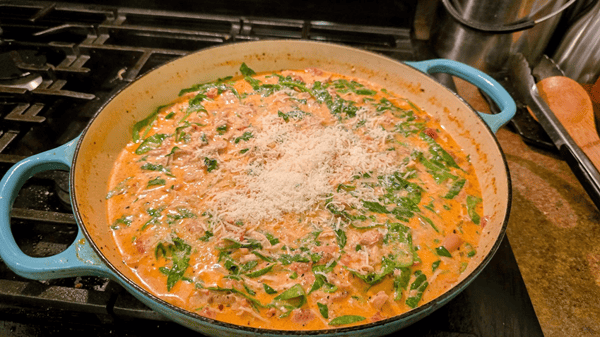
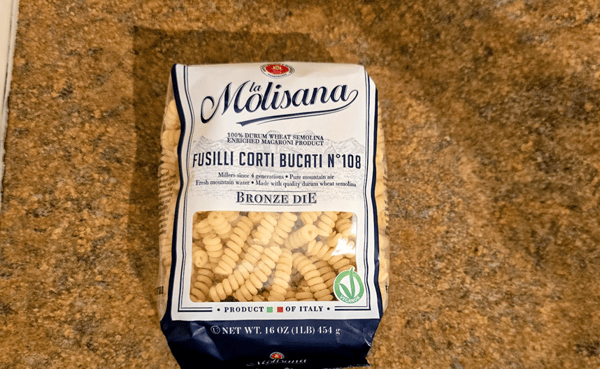
All that was left to do was cook the pasta that I had on hand and enjoy! So there you have it - the five basic steps to utilize what you have in one awesome pot of pasta.
To learn how to make other one pot meals check out our class calendar. In our hands-on Date Night: French Bistro class, we do a version of braised chicken that is fabulous. We can even teach you how to butcher a whole chicken and cook it in various ways in our hands-on Chicken Butchery and Cookery class!
