
You’ve probably seen the word probiotics popping up on food labels—but what exactly are they?
Probiotics are beneficial microorganisms (mostly bacteria) that naturally exist in many everyday foods. Our digestive systems are home to a lot of bacteria, forming what’s known as our gut microbiome. While we’re still learning about this complex system, one thing is clear: it plays a crucial role in our overall health.
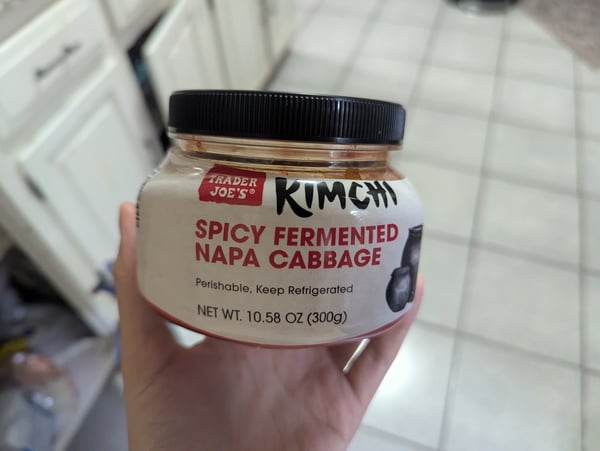
Eating probiotic-rich foods like yogurt, kimchi, gochujang, and other fermented or cultured items can help introduce more of these good bacteria into our digestive systems.
These helpful microorganisms create a protective barrier in our gut. They may also assist in breaking down proteins and fats, making digestion more efficient.
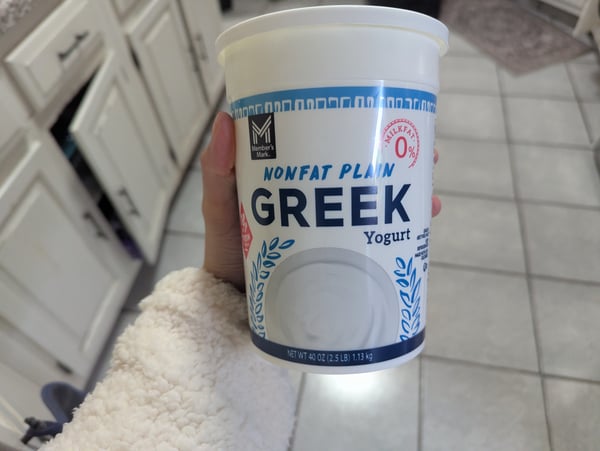
Personally, yogurt is one of my favorite ways to get probiotics into my diet. But keep in mind—not all yogurts are created equal. Many contain high amounts of saturated fat and/or added sugars. I prefer plain Greek yogurt with 0% milk fat, and you can read more about Greek yogurt in this blog.
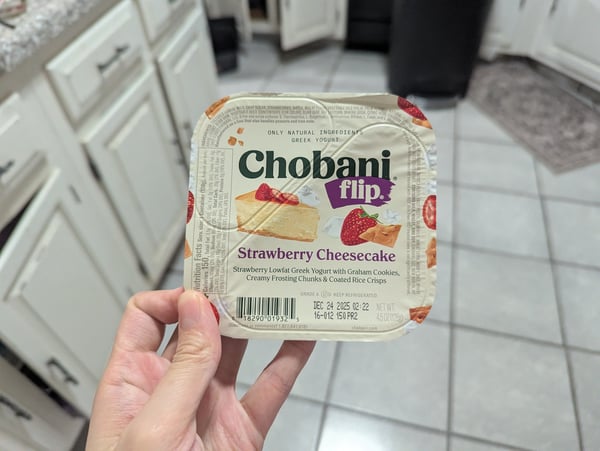
That said, I’ll be honest—I enjoy flavored yogurts too, and that’s totally okay! Many yogurts can contain a large amount of saturated fat and added sugars. Therefore, just take a moment to compare labels. Decide which yogurts are your “once-in-a-while” treats and which ones can be part of your everyday routine. It’s all about balance. And also, if you are going to pick yogurt over other desserts, at least your getting some probiotics as well!
Let’s Talk About Prebiotics (They Deserve More Attention!)
Prebiotics are just as important as probiotics—but they don’t get nearly enough love. These are the nutrients that feed the good bacteria in our digestive systems. Prebiotics are found in foods rich in complex carbohydrates, like fiber and starch, which are abundant in fruits and vegetables.
I dive deeper into the importance of these carbs in this blog.
A Delicious Way to Get Both: My Family’s Mango Lassi
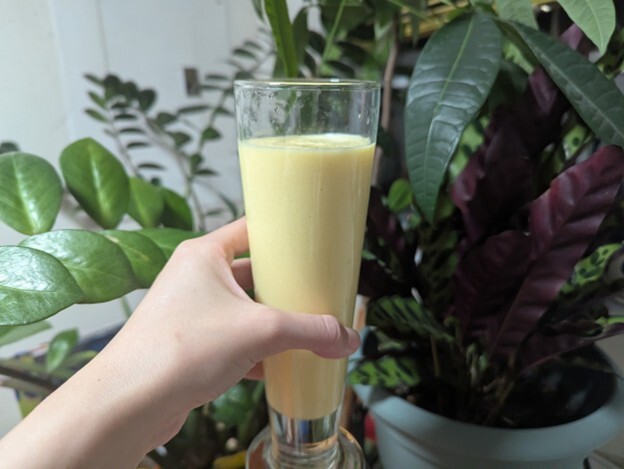
This brings me to one of my favorite probiotic and prebiotic recipes: Lassi. It’s a staple in my household, and our version is super simple—made with Greek yogurt and mango. It’s a tasty way to get a dose of both probiotics and prebiotics.
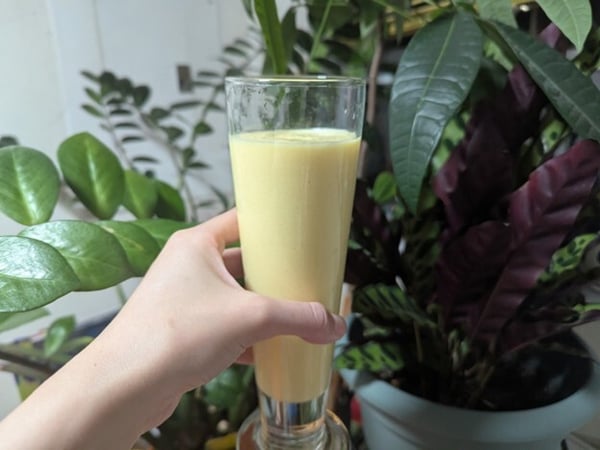
Mango Lassi
Servings: 4
Total Time: 5 minutes
2 cups buttermilk
1 cup plain Greek yogurt
2 tbsp white sugar (adjust to taste)
2 large ripe mangoes, chopped *or* 2 cups frozen mango (defrosted)
2 pinches salt
- Add all ingredients to a blender.
- Blend until smooth.
- Taste and adjust sweetness if needed.
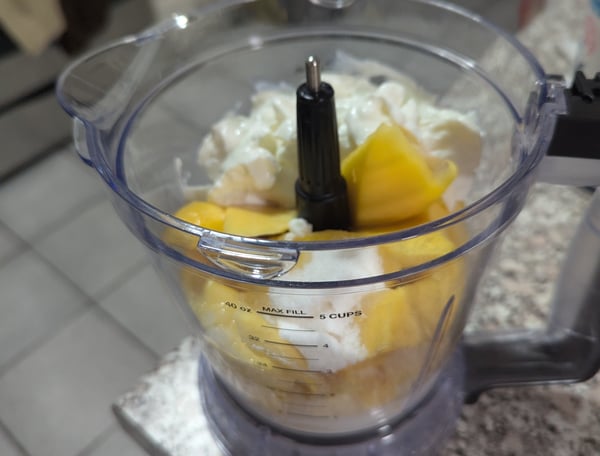
If you can’t find ripe mangoes, frozen mango works great—just let it thaw before blending.
Want to Learn More About Cooking with Prebiotics?
We offer some fantastic classes that focus on incorporating prebiotic-rich foods (such as vegetables) into your meals. Check out:
- Hands-On Vegetarian Thanksgiving on Monday, November 24 at 6pm
- Lunch & Learn Demo: Butternut Squash Risotto on Friday, November 21 at 12pm
