
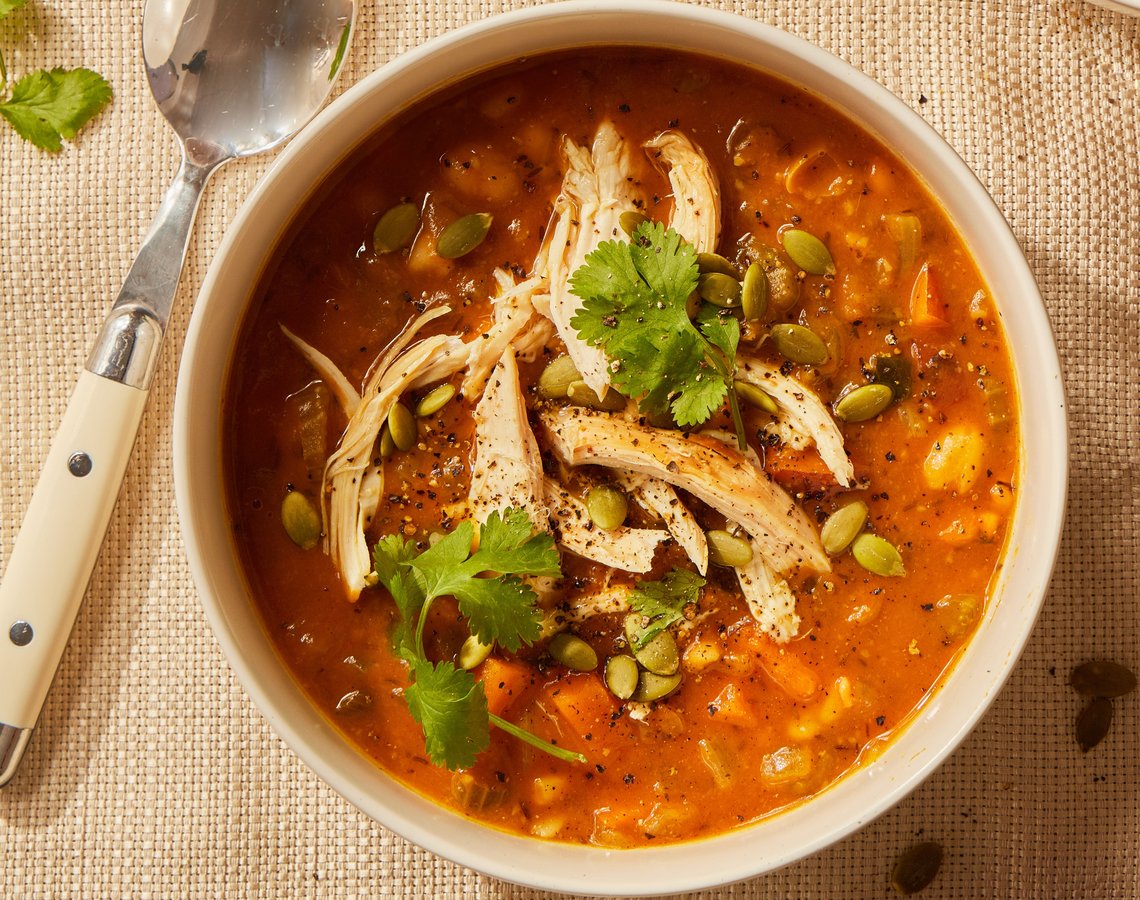
We’ve arrived in the dreary season here in the Midwest. Farmers’ markets have finished for the year or moved inside, and fresh vegetable offerings have dwindled. Thankfully, there’s an army of vegetable reserves at the ready for us: winter squash!
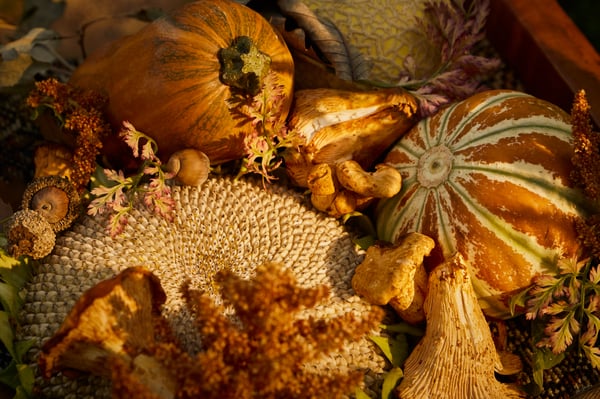
Types of Winter Squash
I love when the giant bins of squash start appearing at the autumn markets. Even though they signal the beginning of the end, there’s something magical about the range of colors and textures. I love how different each of them are and how they lend themselves best to certain uses. Let’s do a quick refresher of the most common squash:
1. ButternutYou know her, you love her. Butternut squash are known for their thin, pale orange skins and sweet profile. You’ve probably heard a lot about the sister squash, honeynut, which has been made famous by Chef Dan Barber’s Row 7 Seed company. That variation is sweeter and has a softer skin, meaning you don’t need to wrestle with peeling it before cooking.
2. AcornAcorn squash are ridged and shaped like, um, acorns, and generally have more color variety than butternut squash. Their very mild flavor lends itself well to simple preparations, and the more spherical, bowl-shape means that they’re often stuffed.
3. DelicataDelicata have a beautiful coloring and are more oblong in shape. Their skin is incredibly delicate and easy to cook, which makes is a great starter squash or weeknight option.
4. KabochaKabocha squash are beautiful in color, leaning more towards the green and orange of the acorn squash. Tough skins, thick flesh, and lots of seeds make this squash a tough nut to crack, but its worthwhile for the flavor.
5. SpaghettiSpaghetti squash are oblong and pale yellow. They’re named for the their stringy flesh, which got them an unfortunate reputation during the carb-fear fad diets. While I do not endorse forgoing noodles in favor of squash all the time, this squash is fun and easy to cook.
How to Break Down a Winter Squash
Breaking down a squash can be exhausting and frustrating, especially if you don’t have the right tools (a sharp knife and hefty vegetable peeler). Here’s a cheat sheet for how to break down each family of squash:
- Butternut: First, use a vegetable peeler to peel the skin, then halve the squash and remove the seeds. From there, cube the squash into smaller pieces.
- Acorn: Simply slice in half and scoop seeds. Cut into wedges along ridges if desired.
- Delicata: Slice off the ends and use your knife to dislodge the seeds from the hollow inside. Once the seeds fall out, slice into rings.
- Kabocha: Soften in the microwave for 2-3 minutes (make sure to prick the skin first!), then cut into the squash. Seed, then cut into wedges.
- Spaghetti squash: Simply cut in half lengthwise, then de-seed.
The Perfect Roasting Formula for Winter Squash
Here’s my catch-all method for roasting squash. Preheat the oven to 400F, and line a sheet tray with foil. Cut the squash into your desired shape (I prefer 1-inch cubes for butternut, 1-inch rings for delicata, and wedges for acorn and kabocha), then add to a large bowl. Add olive oil, salt, and pepper, and toss until coated. Spread the squash evenly onto a sheet tray, and roast until tender. From there, you can add seasonings like sage, chili crisp, or brown sugar as desired.
How to Use Each Type of Winter Squash
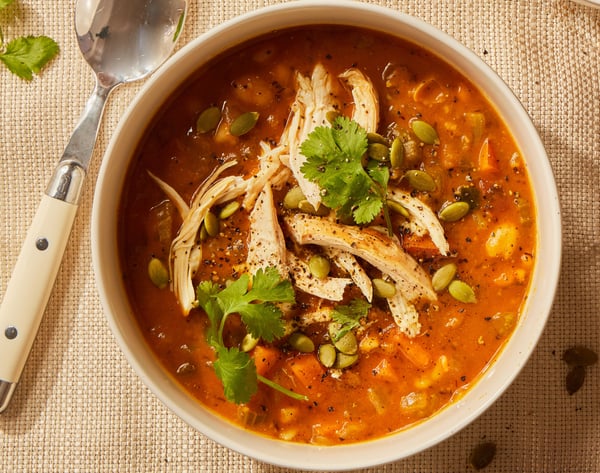
Each of these squash have different superpowers. Here’s the best uses for each family of winter squash:
- Butternut: Blend into soups, puree into baked goods, and roast cubes for an easy way to add heft to a salad.
- Acorn: Halve and roast for an easy, sweet and spicy side dish.
- Delicata: Slice and roast to add to tacos, salads, or platters.
- Kabocha: Roast and add to curries or mash and season with butter.
- Spaghetti squash: Squash “boats” with interesting, hearty sauces.
My go-to? Butternut. I use it in soups, roast it for salads, and have even baked it into muffins. What’s your favorite winter squash?
Learn how to make pizza with butternut squash in The Chopping Block's hands-on Fall Vegetable Harvest this Saturday, December 6 at 11am.
Chef William will feature butternut squash in a risotto during his Tasting Table on Tuesday, December 16 at 6pm.
