
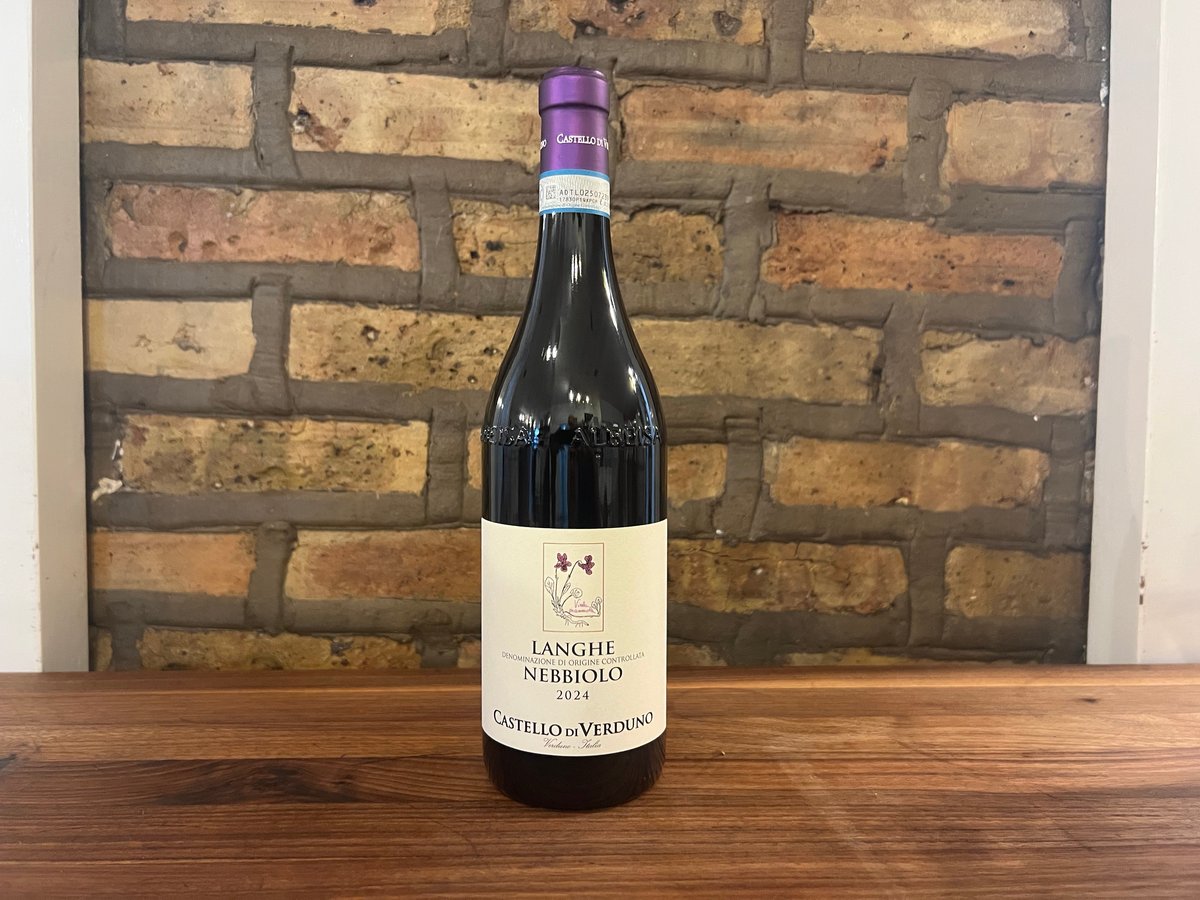
This month we continue our exploration of The Chopping Block's Wine List in search of some seasonal bottles that are sure to add to any occasion. Our previous stop took us to Burgundy where we met the family behind Joseph Drouhin and their delicious Pinot Noir. However, with the air finally starting to carry the unmistakable, crisp air of fall I thought we could warm things up a bit. Enter, Nebbiolo.
Pinot Noir vs. Nebbiolo
Upon first inspection, Pinot Noir and Nebbiolo appear fairly similar. Both are very pale in color (you can see your hand through the wine), both have aromatics of cherries, flowers, dried leaves, and mushrooms (among other things!), and both are notoriously difficult to grow in the vineyard. But once you take a sip you very quickly see that Nebbiolo is the one to show up to family functions in a Ferrari wearing expensive sunglasses.
The main difference between the two is in the structure of the wine. Structure in wine refers to the physical, tactile sensations you experience when drinking. For example, acidity in wine causes your mouth to water. Both Pinot Noir and Nebbiolo have high acidity, so both will feel fresh and vibrant. Tannin causes your mouth to feel dried out, like when you’ve brewed black tea for too long. This is where Pinot and Nebbiolo differ. They are essentially at opposite ends of the spectrum when it comes to tannin. Pinot Noir has very low tannin, so it’s often described as soft or smooth. Nebbiolo has famously high tannin levels and is described as chalky or grippy.
Another important difference is that pinot noir is grown and vinified commercially all over the world, while Nebbiolo is essentially sequestered to one small region in northwestern Italy. This region is called Piedmont, and they have been growing Nebbiolo there for at least 800 years. Therefore Nebbiolo is very distinctly tied to a place, which is the coolest part about wine! Every glass is like a mini vacation.
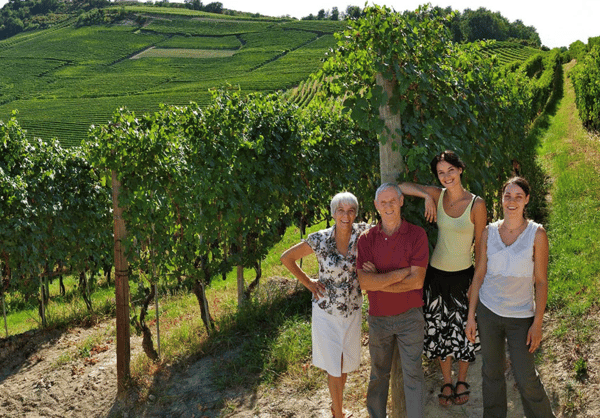
Photo courtesy of Castello di Verduno
The Wine
The Castello di Verduno Langhe Nebbiolo is a fantastic example for someone looking to venture into the world of Nebbiolo. The family has been making wine since the 1950s, so in Piedmont terms they are relatively new to the game. However, this hasn’t stopped them from making world class wines. They get the grapes for this wine from a vineyard in Barbaresco, which is a commune in Piedmont famous for their high quality Nebbiolo’s. After fermentation, the wine spends 9 months in stainless steel before being released.
In the glass, the wine has aromas of sour cherry, roses, and cinnamon. The wine also has Nebbiolo’s defining character trait, lots of tannin!
What to Cook with it
Nebbiolo’s combination of bright acidity and firm tannins makes it a natural partner for rich, savory dishes, so here are three recipes that will make that bottle shine.
Nebbiolo’s tannins pair perfectly with a rich, fatty bolognese. You could even add a splash to the pot while it’s simmering!
Piedmont is famous for two things, Nebbiolo and Truffles, and people in Piedmont have been drinking mushrooms with Nebbiolo for centuries. Give it a try.
Nebbiolo’s freshness will help to balance the eggplant’s richness.
Take Your Wine Knowledge Further
Want to understand why wines taste the way they do and become more confident choosing, tasting and pairing them? Our wine classes take you beyond the bottle with expert guidance on grape varieties, regions, tasting techniques, food pairings and more. Whether you’re just beginning to explore wine or ready to deepen your knowledge, there’s always something new to discover.
Explore our upcoming wine classes and find your next favorite bottle.
