

The Chopping Block recipe database contains thousands upon thousands of recipes, and within that vast collection, there are always a few that rise to the top as true favorites. With each blog, my goal is to share some of those standouts so you can grow your own diverse recipe collection while learning essential techniques along the way.
This month, I’m featuring one of our beloved recipes that’s crispy and crunchy, full of spice and flavor, easy to prepare, and just happens to be vegan and gluten free! I’m talking about Sweet Potato Bhaji, savory vegetable fritters from India. This recipe is well loved by TCB staff and students alike and consistently makes an appearance on our menus.
What are Bhaji?
Bhaji are fritters popular in India that contain vegetables, chickpea flour and spices. Once the mixture is combined, the fritters are then pan fried or deep fried and are served as a snack or side dish. While onion bhaji tends to get most of the spotlight, this version celebrates the natural sweetness and velvety texture of sweet potatoes. The great thing about this recipe is that you can use any vegetable you like-it’s completely customizable and perfect for our vegan and gluten-free friends. And with spring produce coming into season, you have so many delicious options available.
How to make Bhaji
There are two parts to this recipe: the batter and the veggies that get folded into the batter.
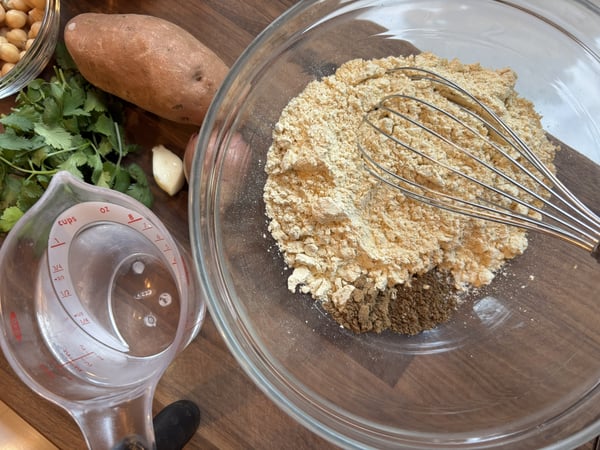
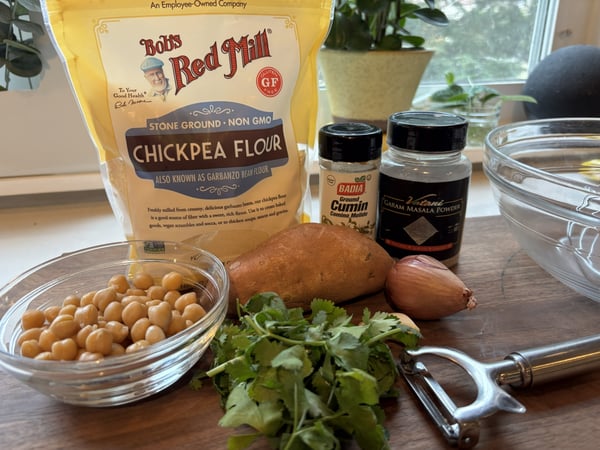
To prepare the batter, measure chickpea flour (also known as besan flour), garam masala, cumin and salt in a mixing bowl. Garam masala, which translates to “warming spices”, is a blend of spices that typically contains cinnamon, mace, peppercorns, coriander seeds, cumin seeds and cardamom, but can vary depending on the recipe and region. It’s a staple spice blend in my pantry because it’s used in well-loved Indian recipes such as chicken tikka masala and butter chicken, but can be used in any recipe where a boost of sweet, spicy and savory flavors is welcome. You can even use it to add a delicious twist to your Homemade Granola.
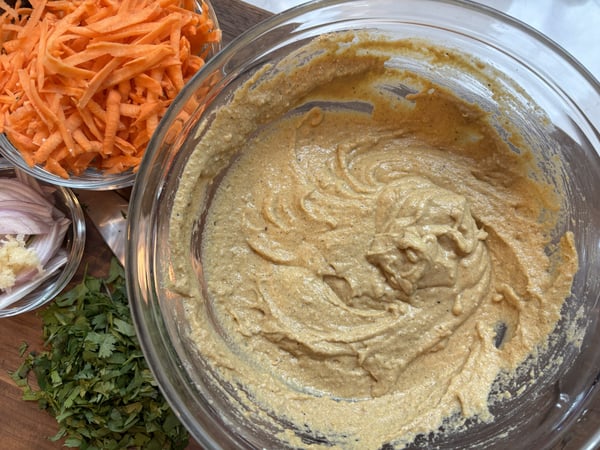
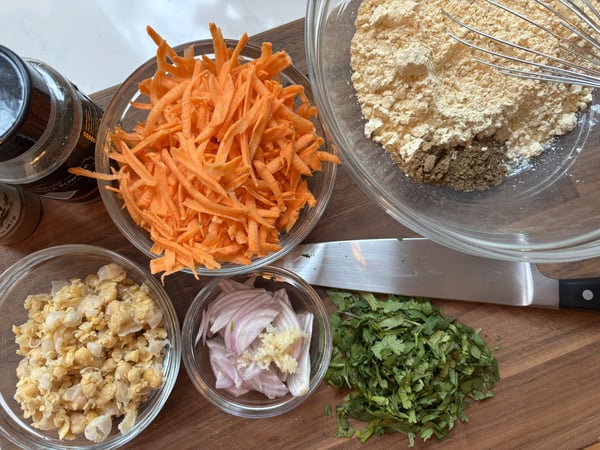
To prepare the veggies, peel and grate a small sweet potato (you need roughly 1 1/2 cups), thinly slice a shallot, mince a clove of garlic, chop some fresh cilantro and mash some canned and drained chickpeas. Remember that this is customizable, so you can swap out the sweet potato for sliced onions, grated zucchini, grated russet potatoes or rough chopped cauliflower.
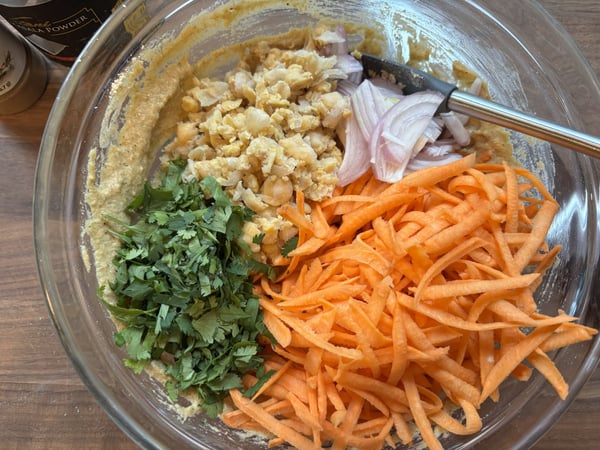
Fold the vegetables into the batter until thoroughly combined, and allow to sit for 10 minutes. Don’t forget to taste the batter and stir in more salt if necessary. While the batter is resting, start heating your oil.
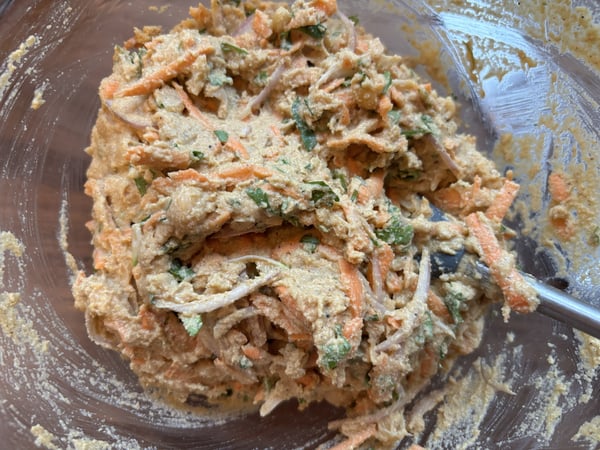
How to Cook Bhaji
I prefer pan frying my bhaji instead of deep frying, so grab your largest sauté pan and add neutral oil to generously coat the bottom of the pan.
When the oil is ready, use a medium-size scoop (mine was 1 1/2 ounces) to scoop the batter into the pan. Then use a spatula to flatten the bhaji to increase the crispy surface area of each fitter. Cook on the first side until golden brown, and then flip and repeat. Transfer the crispy fritters to a cooling rack set over a sheet tray so any excess oil can drip away. Repeat with the remaining batter. The great thing about these fritters is that you can make them in advance and then rewarm in a 375° oven for about 10 minutes.

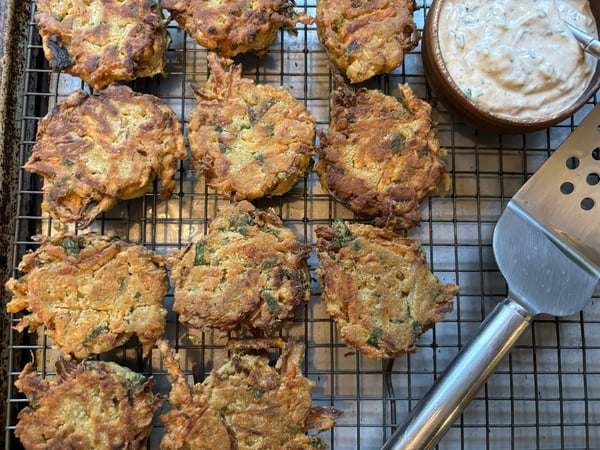
Serving the Bhaji
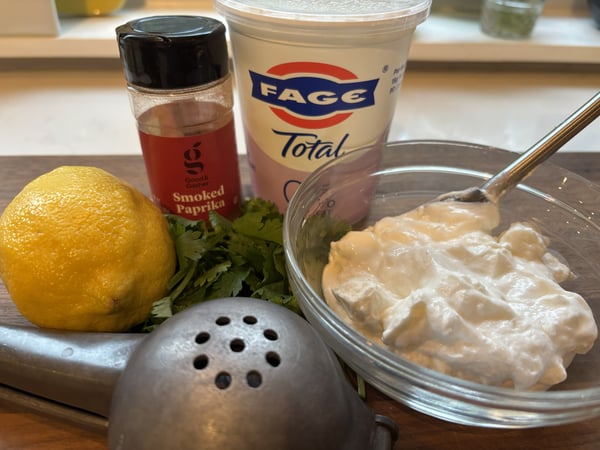
Transfer the hot bhaji to a platter and serve with raita or a cilantro chutney. I love raita because it’s cool and tangy and balances the flavor of the spices- it’s not vegan so if that’s a consideration, go the chutney route. To make a simple raita, whisk together plain yogurt, fresh chopped cilantro or mint, lemon juice, garlic, any spices you like such as cumin, coriander or smoked paprika and salt.
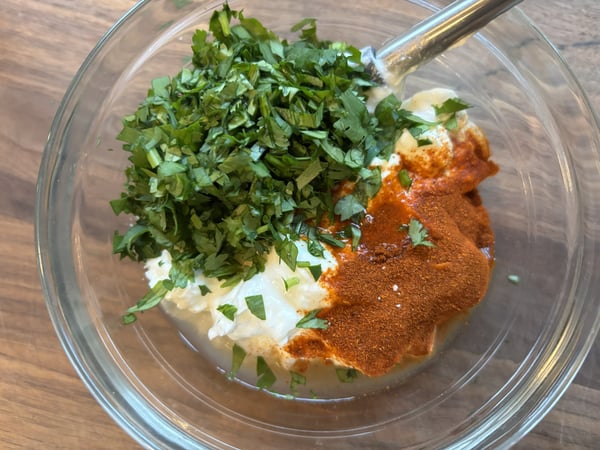
Don’t forget to place a few lime wedges on your platter, and enjoy the harmony of spices and textures!

Sweet Potato Bhaji
Yield: 12 fritters; 4-6 servings
Active time: 35 minutes
Start to finish: 45 minutes
1 1/2 cups chickpea flour
1 teaspoon ground cumin
1 teaspoon garam masala
1 teaspoon salt
1 cup water
1 small sweet potato (1 1/2 cups), peeled and finely grated
1 shallot, thinly sliced
1/2 cup canned chickpeas, drained, rinsed and slightly smashed with a potato masher
1/4 cup fresh cilantro, roughly chopped
1 clove garlic, minced
Salt and pepper to taste
High-heat, neutral oil for pan frying
For the raita:
1 cup plain, Greek yogurt
2 tablespoons fresh cilantro or mint leaves, rough chopped
1 clove garlic, minced
1/2 lemon, juiced
1/2 to 1 teaspoon ground cumin, coriander or smoked paprika
Salt and pepper to taste
1 lime, cut into wedges
- In a medium-size bowl, whisk together the chickpea flour, cumin, garam masala and salt. Add the water and stir to combine.
- Stir in the sweet potatoes, shallots, chickpeas, cilantro and garlic. Season with salt and pepper to taste. Allow to sit for about 10 minutes in order to thicken the batter.
- While the batter is resting, prepare the raita. In a mixing bowl, whisk together the yogurt, fresh herbs, garlic, lemon, and spices of your choice. Season with salt and pepper to taste.
- Heat a sauté pan over medium heat and add about a 1/4 inch of oil.
- Using a medium-size scoop, carefully scoop the batter into the oil, flatten the fritters with a spatula, and cook on the first side until golden brown and crisp, 3 to 4 minutes. Flip and repeat. Note: Cook the fritters in batches to prevent overcrowding the pan, and add more oil as needed during the cooking process.
- Transfer to a cooling rack set over a sheet tray to drain any excess oil. Platter and serve with the raita and lime wedges.
.jpeg?width=600&height=450&name=plated%20bhaji%20(2).jpeg)
I love this recipe not only because it’s flavorful, but because it’s plant based. Eating a mostly plant-based diet is important to me for health reasons but also from an environmental standpoint, and this mission trickles down to the vegetarian offerings you’ll find on our class calendar.
Check out these specific vegetarian classes celebrating using more plants in your diet:
-
Hands-On The Mighty Mushroom on Tuesday, April at 6pm or Tuesday, May 12 at 6pm
-
Hands-On Crave-Worthy Vegetables on Monday, April 27 at 6pm
-
Hands-On Vegetarian Boot Camp on Saturday, May 2 at 10am
-
Hands-On Garden to Table: Seasonal Spotlight on Thursday, May 21 at 6pm
