
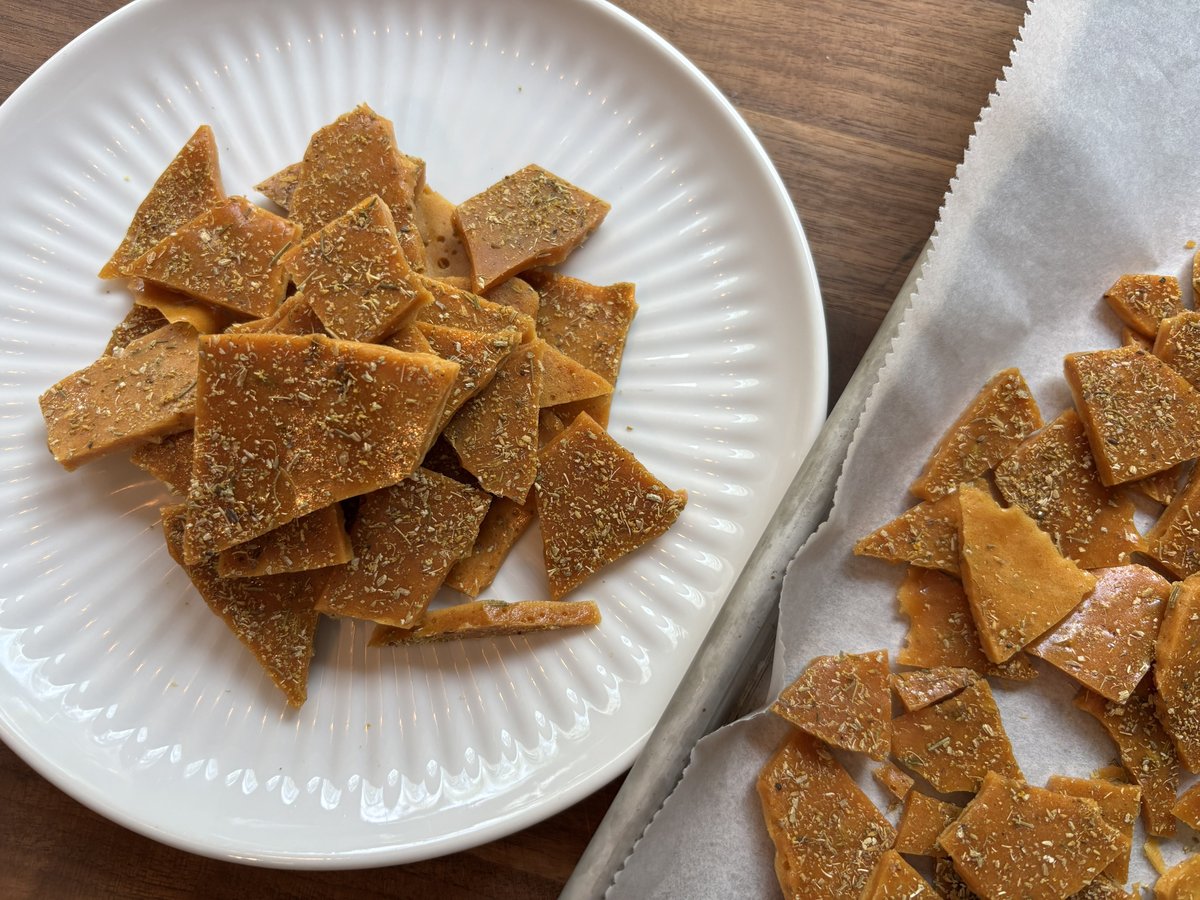
Fennel is an often overlooked vegetable in the produce aisle because its unusual shape and appearance can make it feel a bit mysterious and unapproachable at first. With its pale bulb, tall green stalks, and feathery fronds, it stands out from more familiar produce, but it becomes incredibly versatile once you know how to use it.
What is fennel? Fennel is a fragrant, edible plant in the carrot family known for its sweet, licorice-like flavor, and nearly every part of the plant is used in cooking, especially in Mediterranean, Italian, and Indian cuisines.
Fennel is unique in that there are so many products derived from just one plant:
- Fresh Fennel Bulb: The crunchy pale green-white bulb of the plant has a mellow and mild anise flavor and is delicious when thinly shaved in a salad, pickled, grilled or roasted.
- Fennel Seeds: These are the dried seeds of the fennel plant after the flowers have been pollinated. They have a warm, sweet anise flavor and are traditionally found whole in Italian sausage, crushed or ground and added to sauces, or used in rubs for pork and chicken.
- Fennel Pollen or “Culinary Fairy Dust”: This is a spice made from the tiny yellow pollen collected from fennel flowers and has a sweet, fragrant, slightly citrusy anise flavor. A little goes a long way and just a pinch transforms a dish.
- Fennel Fronds: The tender and feathery green tops of the plant make a beautiful garnish or can be chopped and added to compound butter or pesto.
- Fennel Stalks: These thick pale green stalks between the bulb and fronds are an excellent addition to homemade vegetable or fish stock.
- This isn’t part of the plant, but there’s a phenomenal Italian fennel liqueur called finocchietto which is made by infusing fennel seeds or flowers in alcohol for at least 30 days. See how it’s used in my favorite cocktail recipe, The Secret Beach.
Today we’re going to focus on using fennel seeds and fennel pollen in a recipe that might surprise you because it takes fennel into the unexpected direction of candy. And to push the culinary envelope ever farther, I’m going to use it to garnish a salad with pickled fennel bulb, orange segments and roasted beets.
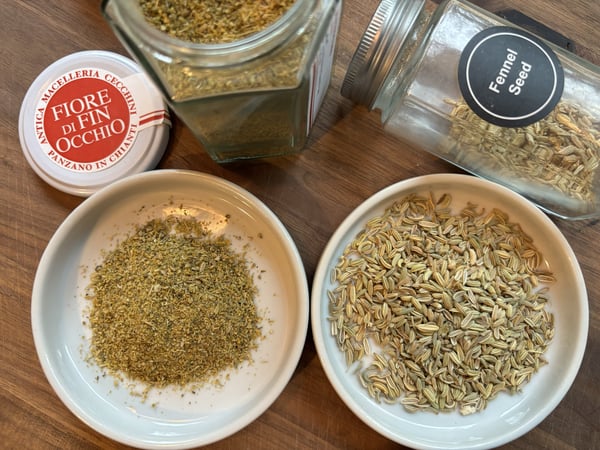
My good friend and coworker, Andrea, went to Tuscany last year on our Cook Like a Tuscan trip and very generously sent me a jar of fennel pollen she found there. It was the perfect gift, knowing how much I love fennel, and I’ve really enjoyed experimenting with it at home. Most recently, I sprinkled it into a pot of long-simmered white beans, which complemented the flavors perfectly. But, fennel pollen and fennel seeds are incredibly versatile, working beautifully in both sweet and savory dishes. That versatility is what ultimately inspired me to try it in brittle.
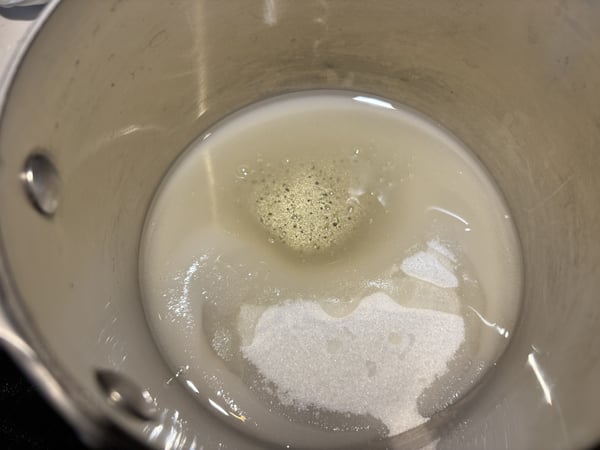
Before you prepare fennel brittle, make sure you have a sturdy saucepan and a kitchen thermometer that can reach at least 300°. Ideally this thermometer can clip onto the side of your pot so you don’t have to hold it. In that sturdy saucepan, combine the sugar, corn syrup and water, and cook until it reaches 280°, which is known as the soft crack stage. It’s at this temperature when the sugar forms a glassy structure, and when it cools, it hardens into a crisp, snappy texture instead of staying chewy or sticky.
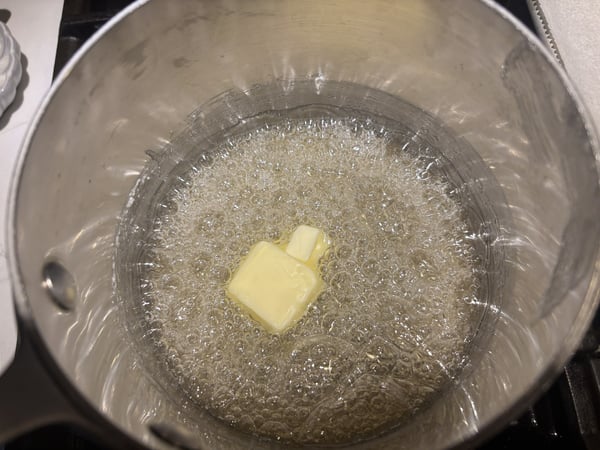
Remove the pot from the heat, and whisk in the butter. Butter gives the brittle a smooth texture, improves the flavor and gives the finished product a shine.
Return the pot to the heat and continue to cook until the sugar mixture reaches 300°. This allows the sugar to caramelize without burning, giving the brittle a more complex flavor.
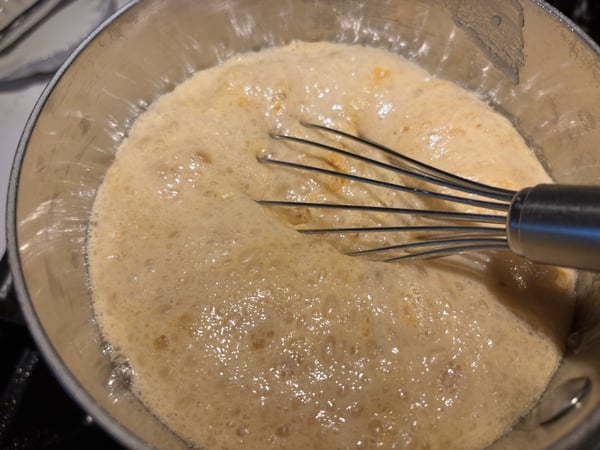
Remove from the heat, and whisk in baking soda. Baking soda is added to brittle right at the end because it reacts with the hot sugar to create tiny bubbles of carbon dioxide. Those bubbles get trapped as the candy sets, giving brittle a light, airy, honeycomb-like structure instead of a dense sheet of hard sugar. When you add the baking soda, the mixture will foam up a lot so just be prepared.
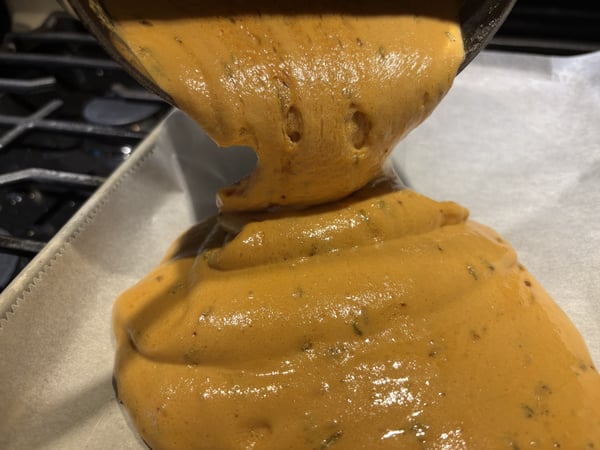
To finish the brittle, whisk in salt and fennel seeds. Working quickly, pour onto a parchment-lined quarter sheet tray (9x13-inches) and spread into a thin sheet.
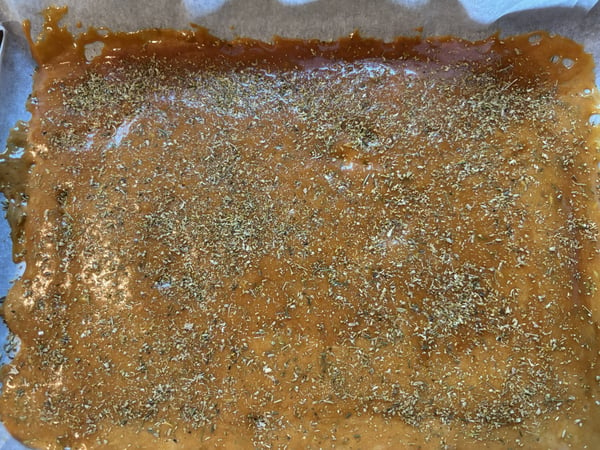
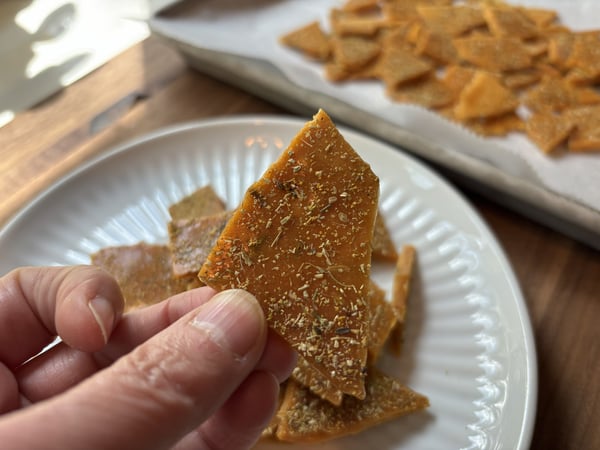
Before the brittle sets up, sprinkle with fennel pollen and allow the brittle to cool and set up.
Break into small pieces and store in an air-tight container until ready to use.
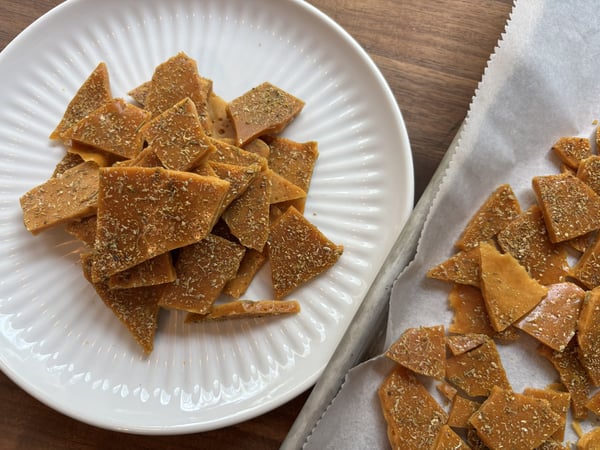
Fennel Brittle
Yield: One 9x13 sheet tray
Active time: 30 minutes
Start to finish: 45 minutes (includes cooling)
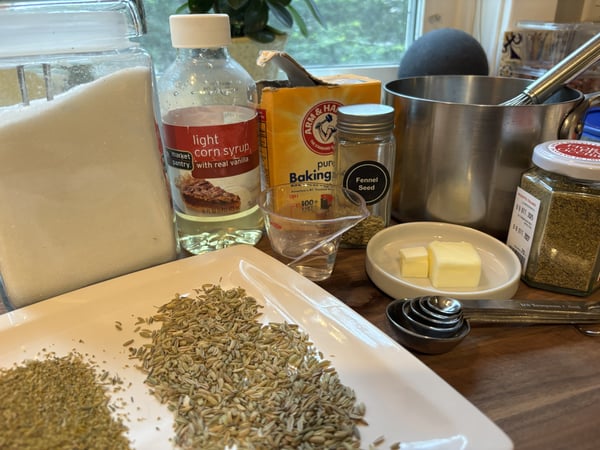
3/4 cup granulated sugar
6 tablespoons light corn syrup
2 tablespoons water
1 1/2 tablespoons unsalted butter
3/4 teaspoon baking soda
1 teaspoon salt
1 1/2 teaspoons fennel seeds
1 teaspoon fennel pollen
- Line a 9-inch by 13-inch quarter sheet tray with parchment paper.
- In a tall sided, heavy saucepan, measure together the sugar, corn syrup and water. Whisk to combine and bring to a boil over medium-high heat. Cook until the mixture reaches 280°- “soft crack stage”.
- Remove the pot from the heat and whisk in the butter.
- Return to the heat, and continue to cook until the sugar reaches 300°.
- Remove from the heat, and whisk in the baking soda. Be careful because the mixture will foam up a lot.
- Whisk in the salt and fennel seeds, and quickly spread out on the prepared sheet tray into a thin, even layer.
- Immediately sprinkle with the fennel pollen to ensure it sticks to the brittle.
- Allow to cool, break apart and use as desired.
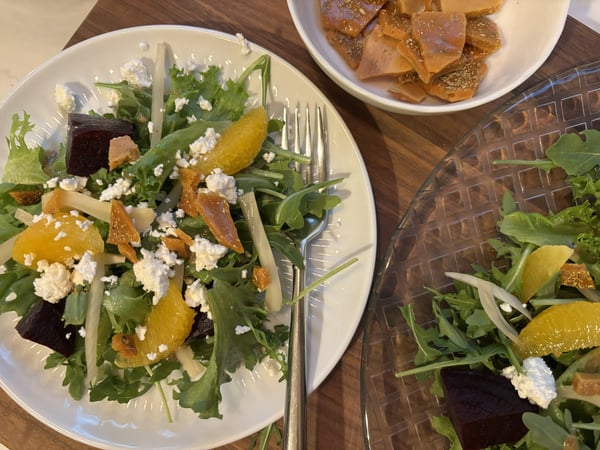
I used it in place of croutons on my salad, but I think it would be delicious sprinkled on sliced heirloom tomatoes. You can also use it to garnish a fennel-infused cake topped with whipped cream or enjoy it as is. Don’t just limit yourself to using fennel seeds in this recipe! Try cumin, caraway or even coriander seeds as an experiment.
Spices have the power to not only transform a dish but also tell a story. Learn all about the spice trade and its global impact with Northwestern professor, Nina Wieda, in a special immersive, story-driven class that brings the global journey of pepper, cloves, and cinnamon to life. Enjoy rich storytelling that connects culture, history, and cuisine, and tastings throughout the class that bring the stories to life.
Sign up for The Spice Trade: Pepper, Cloves & Cinnamon on Thursday, May 28 at 6pm. Space is limited, so enroll now!
