
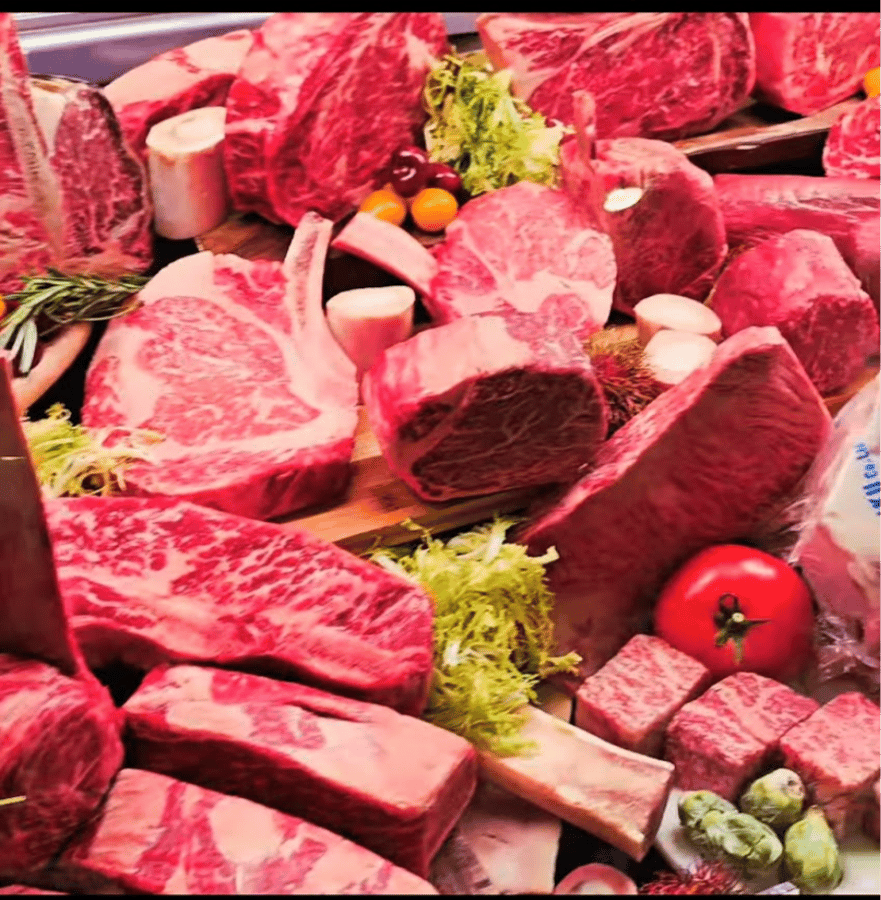
Have you ever wondered why we call it beef and not cow, but we eat chicken? Or thought to yourself, why it is even called a hamburger if it is made with ground beef? The history of food terminology truly fascinates me, and I got such a kick out of this research project that I can’t wait to share my findings!
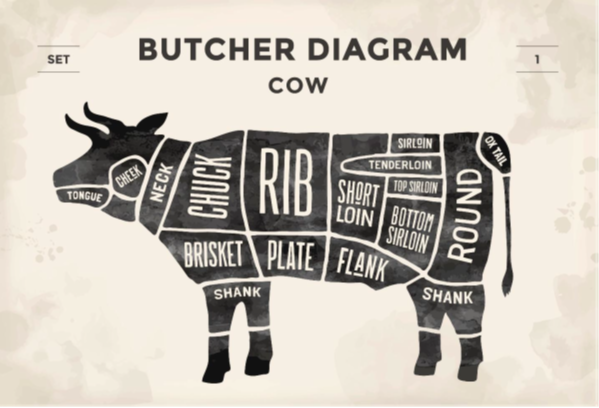
This rabbit hole started after lecturing in The Chopping Block's Culinary Boot Camp about the cuts of meat that come from a pig and a cow, referencing a diagram that the students get in their binder. A student in our Culinary Boot Camp stopped and asked me why do we call it pork when we eat it even though it is pig? Honestly, I was stumped! I figured it was just a little more of a polite sidestep calling it pork than saying you are eating the (insert animal name here) but then what about chicken?! Why do we not have another term for that? So many questions, and I was determined to find the answers of how things get their names!
Food Language History
Let’s start with the term “meat” in general first. Did you know that originally the word meat just meant food or nourishment? It derives from the Old English word mete meaning sustenance or meal. In early English mete would refer to anything edible. Vegetables were grene-mete or green meat, and dairy was called white meat. By around 1300 meat began shifting to exclusively mean animal flesh and the term food became the word for the broader meaning of nourishment.
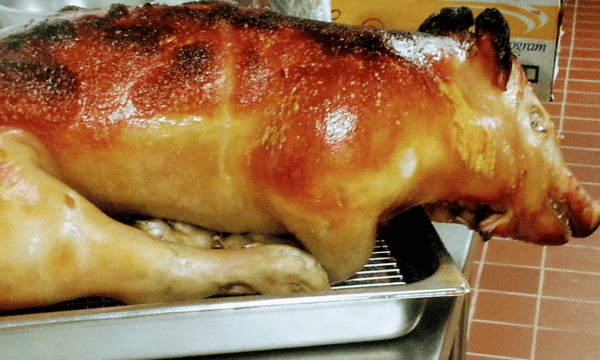
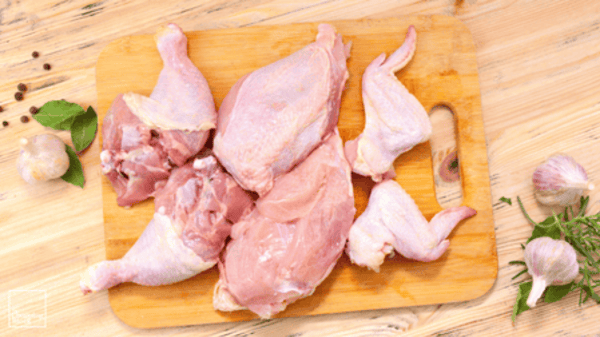
When it comes to the cow vs beef or pig vs pork terms, the origins are rooted war and class systems. The short story is that in 1066 the Angolo-Saxons came under Norman rule. The Normans spoke French and the Anglos spoke Olde English which derives from Germanic languages. As the lower-class, Anglos were the farmers and hunters that raised and were responsible for slaughtering the animals, therefore the Olde English terms were used for describing the live animals. The ruling class Normans fancy French terms then were used to describe the culinary meats that adorned their tables. For example, bouef for beef, porc for pig, etc. Although when thinking about it from our present culture perspective, it does make it easier to disguise what you are eating by not referencing the actual animal.
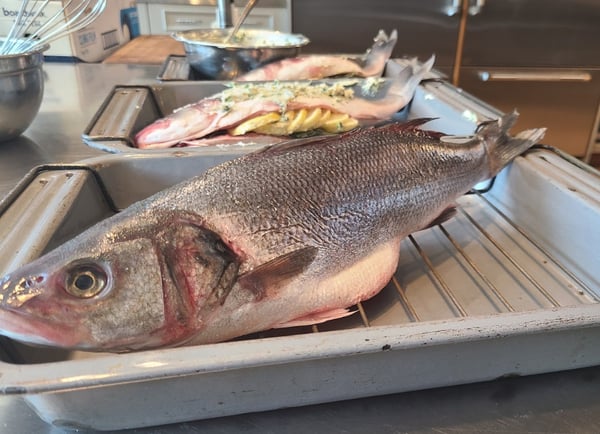
As for chicken though, this was the exception because they were cheap and raised by everyone, the word remained the same. The French did give us the word poulet which means chicken but then evolved into meaning all poultry. All fowl seemed to keep their names from duck to goose to quail! Interestingly enough the word poisson is French for fish, which also kept its name whether living or on the dinner table because the word sounded too much like poison! Most nobility did not eat fish so it kept the Anglo name.
Marketing
There are many other reasons besides world history that determine why we call food certain things. Marketing also plays a huge part. Continuing on the topic of fish, have you ever eaten Patagonian Toothfish or Dolphinfish? How about Slimehead or Goosefish/Anglerfish? You may not know it, but chances are you have. These names don’t scream out as appetizing to read on a menu so they got a rebrand to Chilean Sea Bass, Mahi-Mahi, and Orange Roughy which sound much more appealing than Slimehead, and monkfish does way better at a restaurant than Goosefish.
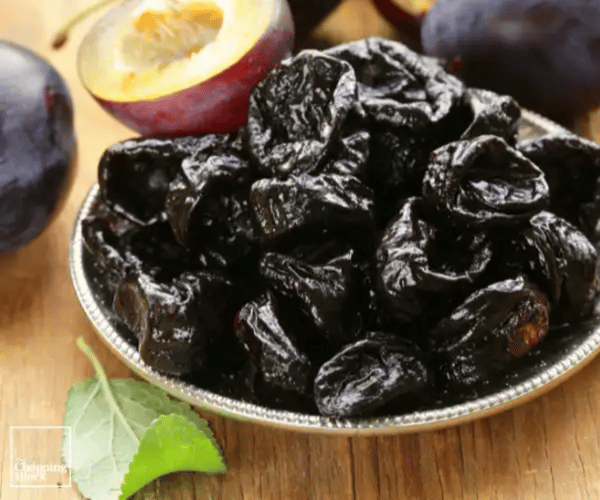
Prunes were getting a bad rap for helping with digestion and were synonymous with elderly diets so in 2001 the California prune board wanted them to just be called “dried plums” to appeal to a younger demographic, but it didn’t stick so they leaned into all the health benefits instead. Did you know that all prunes are plums but not all plums can become prunes?
Even kiwi is not the actual name of the fruit! Its native home is mainland China and Taiwan where it was historically known as the macaque peach but was later introduced to New Zealand in the 20th century and went by the name of Chinese gooseberry. It was later renamed in 1959 to kiwifruit after the national bird and to avoid us import tariffs and has since become a global export. Some variations actually grow in the U.S.
Location
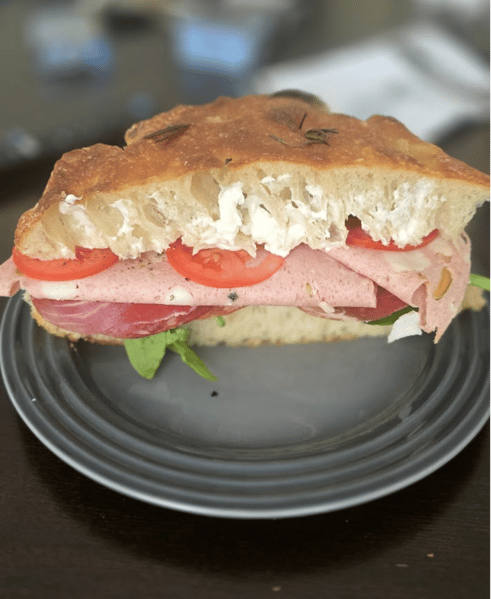
Sometimes the simplest explanation of where the origin of a food name comes from is quite literally where in the world it was created. Well, then that is what we will call it! Take for instance the hamburger, as we know it does not have ham in it but rather the creation of the earliest hamburger came from Hamburg, Germany where minced meat was formed into a patty. That later evolved when immigrants came to the U.S. and put those patties between some bread in the 19th century! The 4th Earl of Sandwich requested meat between bread to keep his hands free during a card game and just like that - the sandwich is coined. Or a particular food tends to take on a hometown name when something special sets them apart or if there is a protection designation on the specific food item. Some examples include Kobe beef, Cornish hens, Parmigiano Reggiano cheese, Brussels sprouts, or San Marzano tomatoes.
Even more confusing but surprising fun facts:
- French Fries did not originate in France but rather Belgium where soldiers spoke French to Americans during the war.
- Caesar Salad was not named for the Roman but at Caesars restaurant in Tijuana.
- German chocolate cake has nothing to do with Germany but named after Samuel German, a creator of baking chocolate.
- Baked Alaska was created in New York in the 1800’s at Delmonico’s to celebrate the countries acquisition of Alaska from Russia.
- Jerusalem artichokes are neither from Jerusalem nor artichokes, but Italian immigrants named the tuber Girasole (sunflower) and from a misunderstanding of the pronunciation, the name stuck. I happen to call them sunchokes as do most chefs nowadays.
I could keep researching this topic forever and happy to keep doing so. Don’t even get me started on our knife skills terminology, i.e. slicing/julienning. Stay tuned for more food and culinary history knowledge in blogs to come. But in the meantime, do you have any specific questions about where food terms come from or any other interesting food facts you would like to share? Drop your comments below - I would love to hear them! In every Chopping Block class, there is a little bit of history thrown in so check out our class calendar and we will see you in our kitchens soon!
