
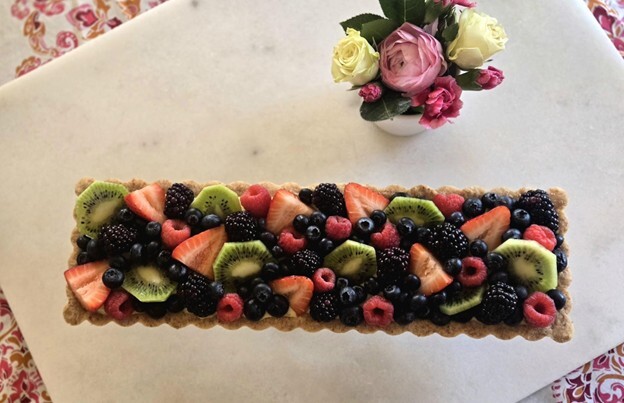
The first signs of spring are subtle and don’t arrive all at once. We see, smell, and hear the earth waking up. The energy shifts, and happiness returns knowing sunshine and warmer days are almost here. Even though the weather here in the Midwest is rainy and cold, I wanted to brighten my family's day with something not only beautiful to look at but as a reminder that warmth, color, and life are returning.
Spring invites something lighter and brighter. It’s the season of fresh ingredients and delicate flavors. A fruit tart feels like spring on a plate. The base is a crisp yet tender buttery crust, and the inside is a smooth layer of pastry cream that adds richness without heaviness, a subtle sweetness that lets the fruit shine. Fruit tarts carry a sense of balance. No single element dominates, they all work in perfect harmony with each other.
There are two main types of custards, and the difference comes down to how they’re cooked and how thick they become. Mastering custards is about learning how to control heat, texture, and timing. Once you understand those three things, you can make any custard confidently, from silky sauces to perfectly set desserts.
1. Stirred Custards - These are cooked on the stovetop and require constant stirring.
2. Baked Custards - These are cooked in the oven, often in a water bath for gentle, even heat.
A custard is one of the simplest and most important building blocks in cooking and baking. At its core, custard is a mixture of eggs and usually milk or cream. When gently heated it thickens.
Eggs thicken - Eggs are full of proteins. When heated, those proteins unwind, link together, and form a soft structure.
Starch gelatinizes - Cornstarch/flour absorbs liquid and swells, creating thickness and stability.
Sugar balances everything - It sweetens, but also slows egg coagulation so you don’t end up with scrambled eggs. The key to pastry cream is the starch. It stabilizes the mixture, allowing it to get thick enough to pipe, spread and hold its shape - perfect for tarts and pastries.
Pastry cream - Known in French as crème pâtissière, it's one of those foundational elements that quietly powers a huge portion of the dessert world. What makes pastry cream different from a typical custard is the starch. It stabilizes the mixture, allowing it to get thick enough to pipe, spread, and hold its shape.
Tempering is one of those pastry techniques that sounds intimidating, but it’s really just a controlled way of bringing two mixtures to the same temperature without shocking them - it’s what keeps the eggs from scrambling.
The tart crust might seem like the quietest part of a tart, but it’s actually the piece that determines whether everything else works. It’s the structure, the support, and the first texture you experience. Without a good crust, even the most beautiful filling falls apart, literally and figuratively.
Blind baking: Pre-baking the crust is one of the most important steps for structure. It sets the shape, and dries out the base to prevent sogginess from fillings.
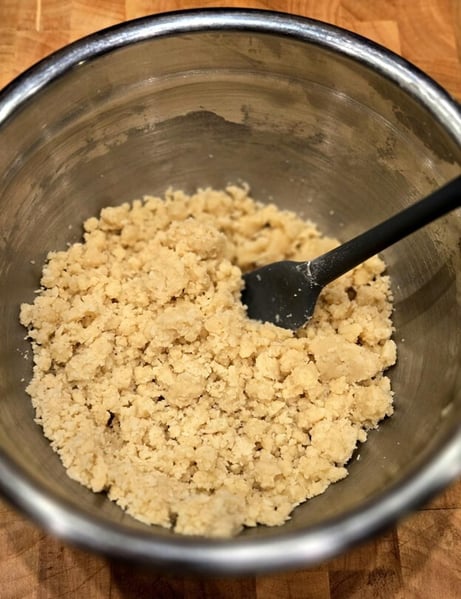
Not overworking the dough: Overmixing develops too much gluten, which results in a tough crust. You want just enough mixing, just to bring the dough together.
Proper shaping: Pressing the dough gently into the pan is key. Starting from the edges (the walls) and working your way inward to the bottom of the tart pan, making sure all of the dough is even and level.
Fruit Tart
Yield: One 9-inch tart
Active time: 45 minutes
Start to finish: 2 hours, 45 minutes
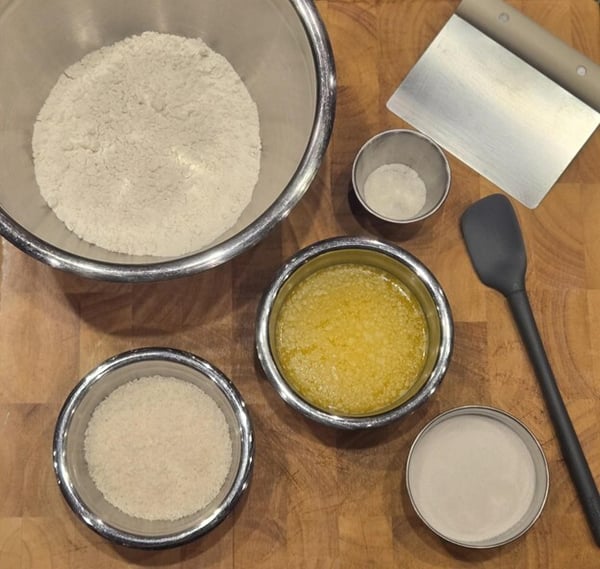
For the Tart Dough:
1/2 cup sweetened flake coconut, finely ground
1 1/2 cups all-purpose flour
1/3 cup granulated sugar
1/2 teaspoon fine sea salt
10 tablespoons butter, melted
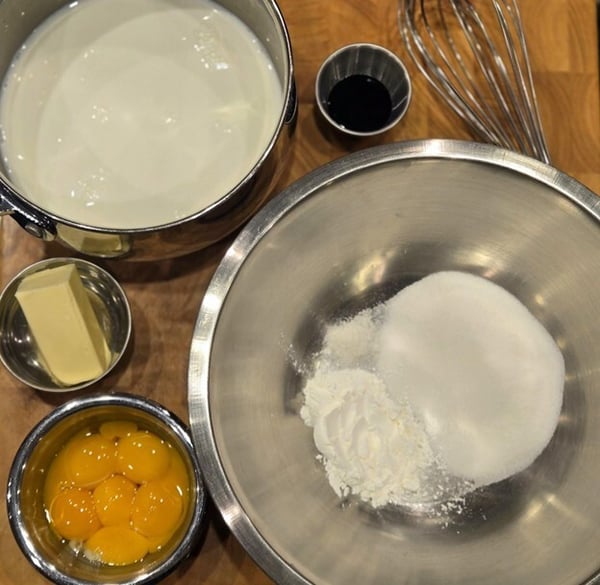
For the Pastry Cream:
2 1/4 cups whole milk
1 teaspoon vanilla bean paste
6 egg yolks
3 tablespoons cornstarch
1/2 cup granulated sugar
Pinch of fine sea salt
1/2 stick unsalted butter
For the Fruit:
(Choose your favorite fruit)
Strawberries
Raspberries
Blackberries
Blueberries
Kiwi
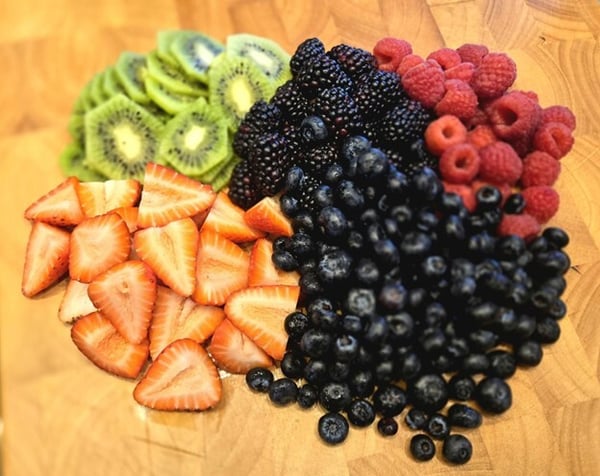
1. Preheat the oven to 350° F.
2. In a medium-size bowl, mix together the coconut, flour, sugar, salt and melted butter until a crumbly dough forms.
3. Press the dough onto the bottom and up the sides of a 9” tart pan with removable sides.
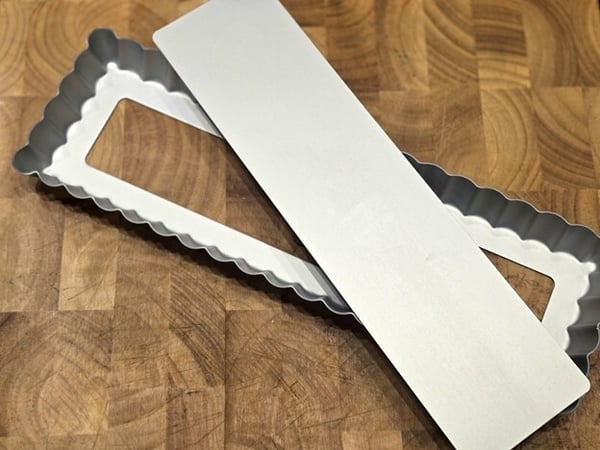
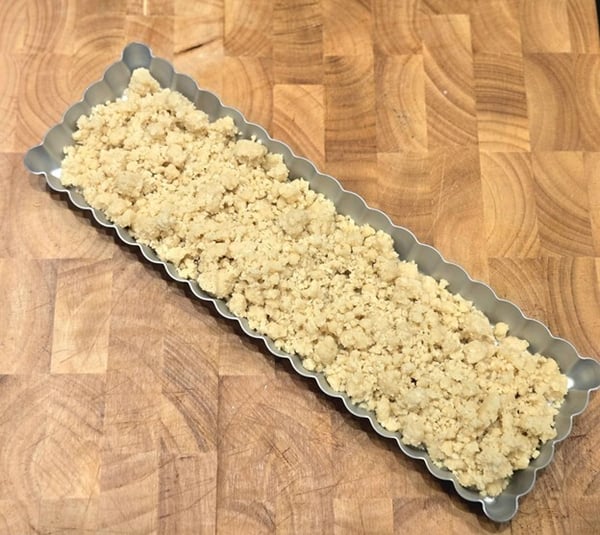
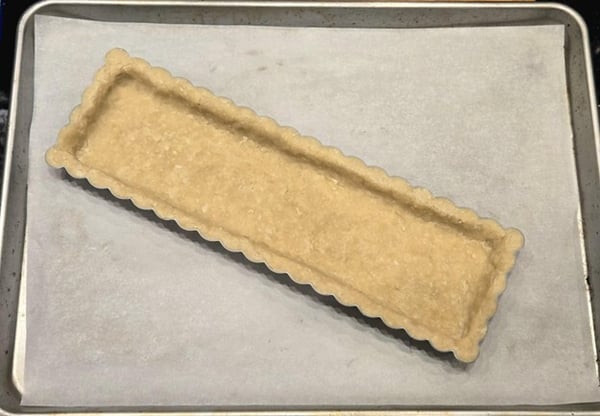
4. Bake the tart shell for 25 to 30 minutes, or until light golden brown.
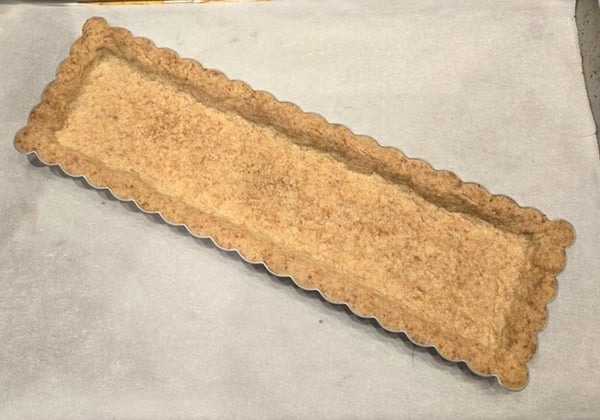
5. While the crust bakes, prepare the pastry cream. Combine the milk and vanilla bean paste in a heavy saucepan over medium heat, heat until barely steaming.
6. Whisk together the egg yolks, cornstarch, sugar and salt in a medium mixing bowl.
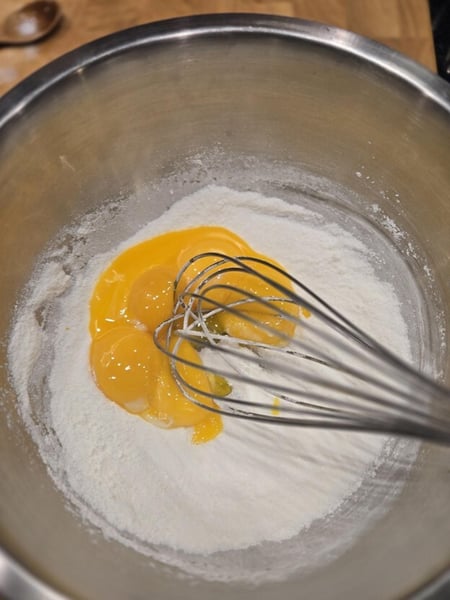
7. Temper the warm milk mixture into egg mixture gradually while whisking constantly. Return the mixture back to the saucepan.
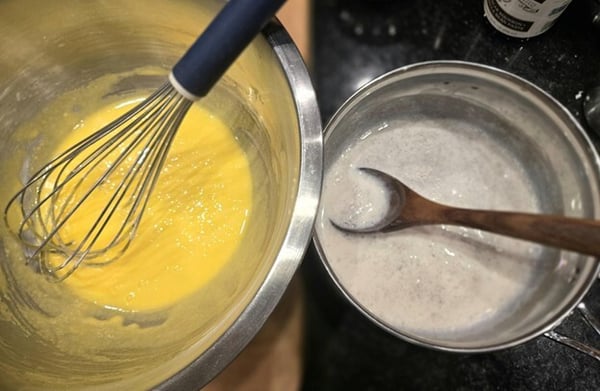
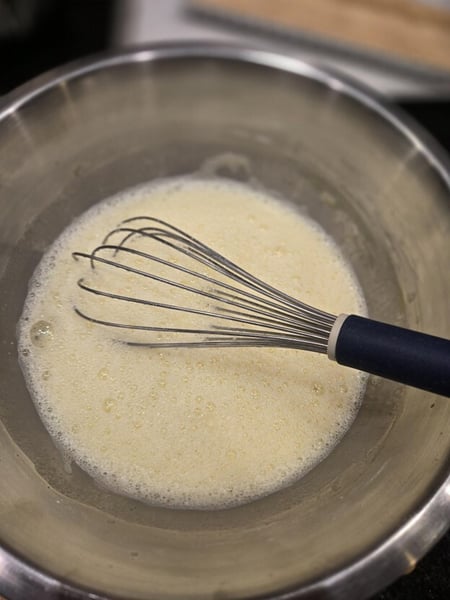
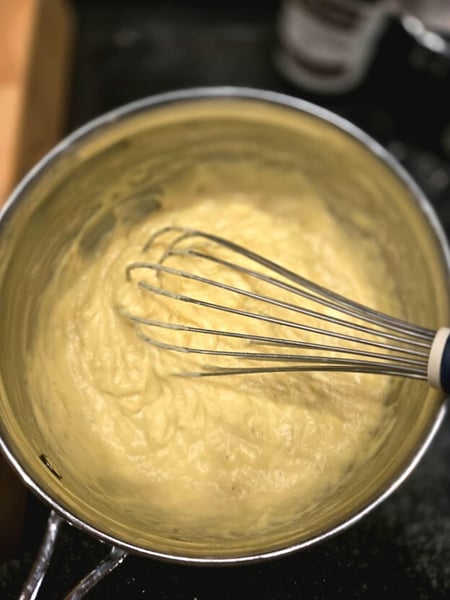
8. Whisk in the butter until melted.
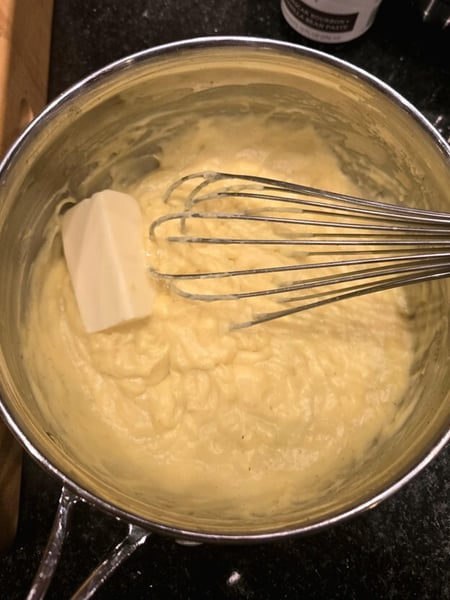
9. Simmer, whisking constantly, until thick and boiling. Remove from heat and strain mixture through a fine sieve.
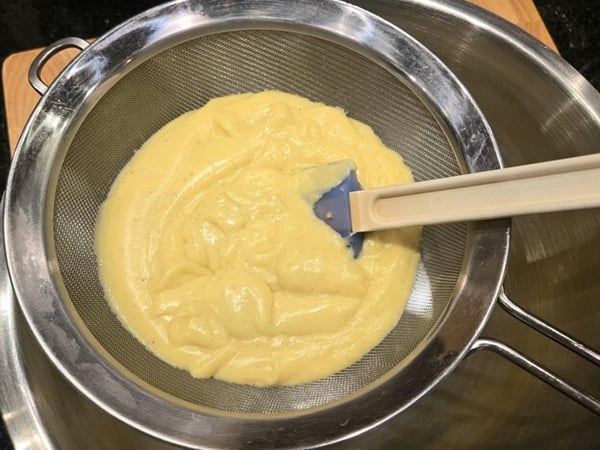
10. Transfer the pastry cream to a shallow dish and cover with plastic wrap that’s directly touching the custard to prevent a film from forming.
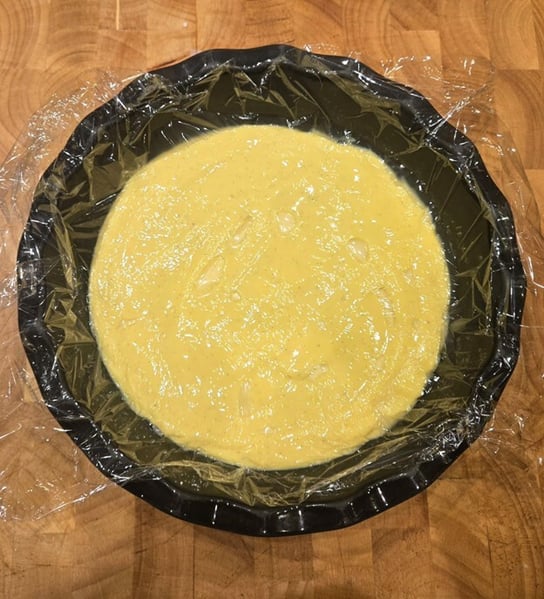
11. Allow the custard to chill completely.
12. Remove the tart shell from the pan.
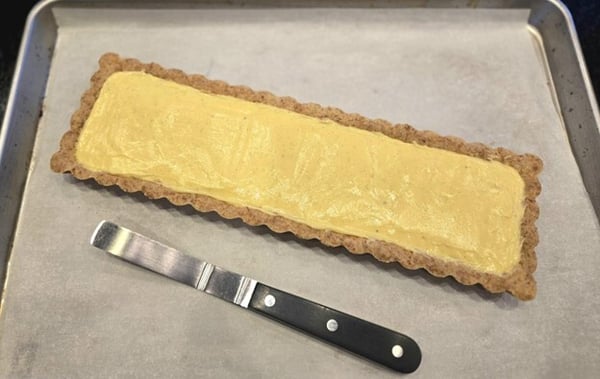
13. Using a small offset spatula, fill and smooth the chilled pastry cream into the baked tart shell.
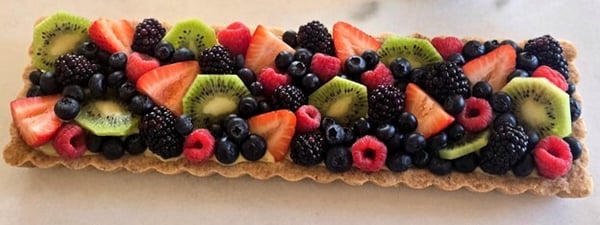
14. Arrange fruit in a decorative pattern.
If you want to take your baking to the next level, don't miss our next hands-on Macaron Workshop on Friday, May 1 at 10am.
And if you want to try your hand at savory tarts, our hands-on April in Paris class has a lovely menu:
- Asparagus Puff Pastry Tart with Herb Goat Cheese
- Chicken Fricassee with White Wine, Cream and Tarragon
- Warm French Lentil Salad with Shallots and Spinach
- Crêpes with Strawberries and Chantilly Cream
Join one of our upcoming April in Paris classes:
- Saturday, April 25 6pm Just 3 spots left!
- Friday, May 15 6pm
- Friday, May 29 6pm
