We've all been there - you're halfway through a recipe when you realize you're out of buttermilk, or you don't have any breadcrumbs on hand. Maybe you're trying to avoid dairy, or you have a friend who’s newly gluten free. Whatever the reason, knowing how to substitute ingredients is one of the most valuable skills you can develop in the kitchen. It saves trips to the store, reduces food waste, and often leads to discovering new flavor combinations you wouldn't have tried otherwise.
Let's start with some common substitutions that most home cooks are familiar with. Running out of buttermilk? Mix a tablespoon of lemon juice or vinegar into a cup of regular milk or cream and let it sit for five minutes, now you've got instant buttermilk. No eggs for baking? A tablespoon of ground flaxseed mixed with three tablespoons of water makes a great binding agent known as a flax egg. Out of sour cream? Greek yogurt works great in its place and can add a bit more protein, you could even blend cottage cheese with a splash of lime or lemon juice for the same effect.
Here's where things get interesting: some of the best substitutions are the ones you'd never think of on your own. Using mayo as a substitute is a perfect example. Most people know you can use it in place of butter when grilling a sandwich, but did you know it makes an incredible substitute for eggs and oil in cake recipes? The result is an incredibly moist cake with no eggy flavor whatsoever. My wife, who spent years as a pastry chef, taught me this trick.
Another surprising swap is using pickle juice in place of vinegar or lemon juice. It adds a bright, tangy flavor to marinades, dressings, and even brines for fried chicken. The spices already in the pickle juice give whatever you're making an extra depth of flavor that plain vinegar just can't match. Aquafaba, which is just the liquid from a can of chickpeas, can be whipped into stiff peaks just like egg whites. It's perfect for making meringues, mousses, or even as a binder in veggie burgers because of the high protein content.
For thickening soups and stews, most people reach for flour or cornstarch, but mashed beans or pureed or even powdered potatoes work incredibly well and add extra body and nutrition. I'll often blend up some of the beans from whatever I'm cooking and stir them back in for a creamier texture without any dairy.
Two of my favorite substitutions is using coffee in place of some of the liquid in chocolate recipes - cakes, brownies, or even chili. It doesn't really make things taste like coffee, but it amplifies the chocolate or roasted flavor in a way that can’t be matched. The second is using sambal anywhere that calls for red chili flakes, this can work as a 1 for 1 substitute to achieve the same level of spice while adding more complexity to the flavor.
The key to successful substitutions is understanding what role an ingredient plays in a dish. Is it there for moisture, binding, leavening, or flavor? Once you understand the function, you can find creative alternatives. Start experimenting with what you have on hand - you might just discover your new favorite way to make an old recipe!
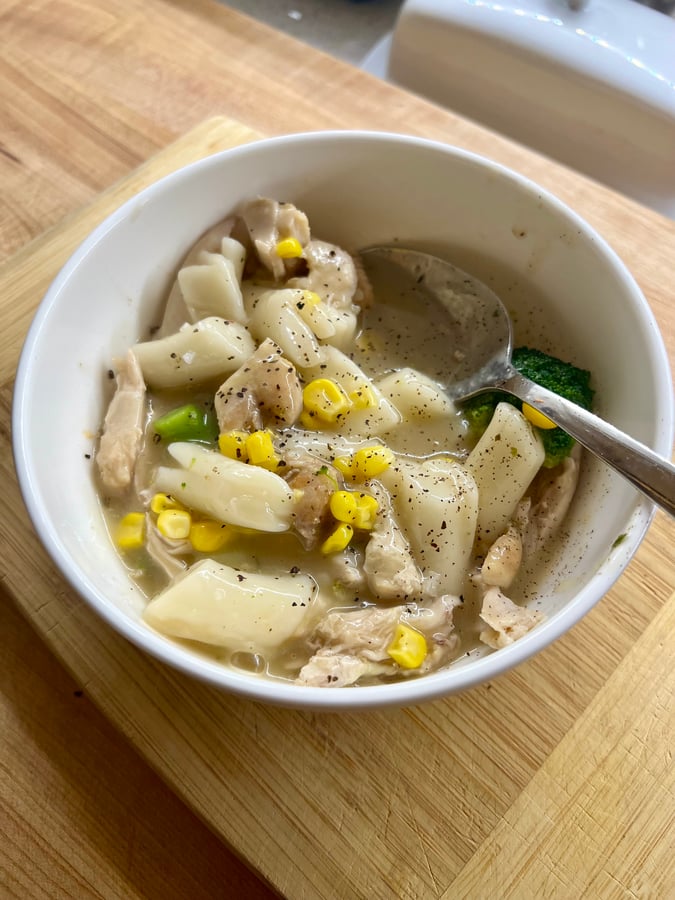
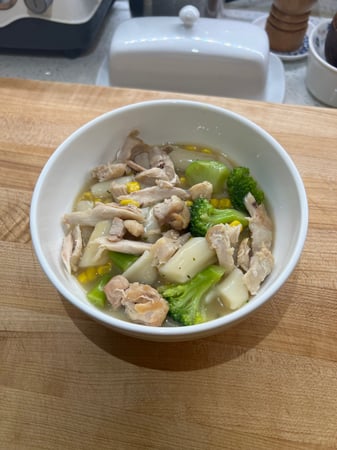
I’ve included a recipe for a quick and easy chicken and dumpling soup where I substitute the dumplings for Korean rice cakes! Remember the point is to utilize what you have available so adjust the recipe for substitutions as needed.
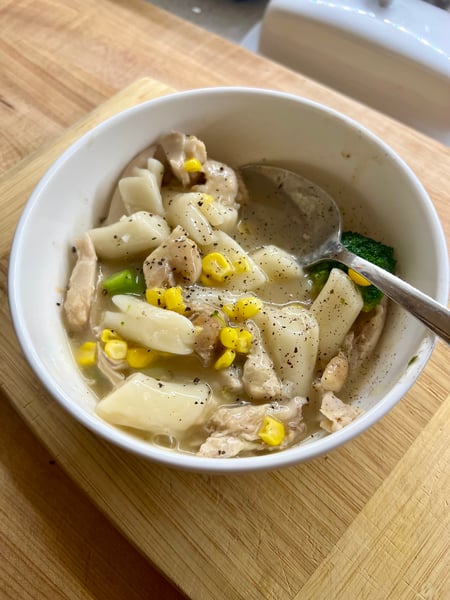
Chicken Soup with Korean Rice Cakes
Yield: 4-6 servings
Prep time: 10 minutes
Cook time: 35 minutes
Total time: 45 minutes
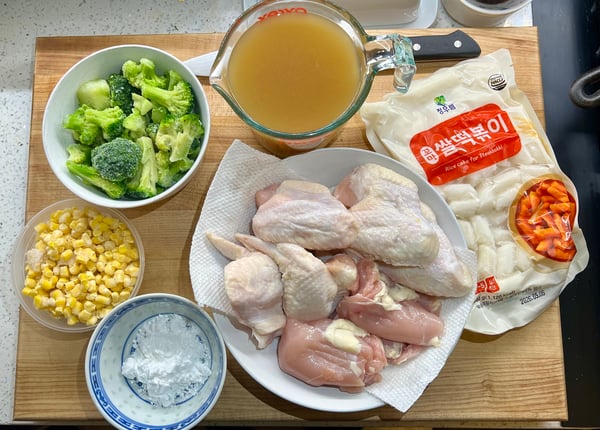
2 tablespoons neutral high heat oil
Salt and pepper
1 pound of chicken wings, thighs, or legs (use whatever you have available)
4 cups chicken stock
1 pack of Korean rice cakes (2-3 cups)
2 tablespoons potato or corn starch
3 tablespoons milk or cream
2 cups fresh or frozen vegetables like broccoli florets
1.5 cups fresh or frozen corn kernels
Salt and pepper to taste
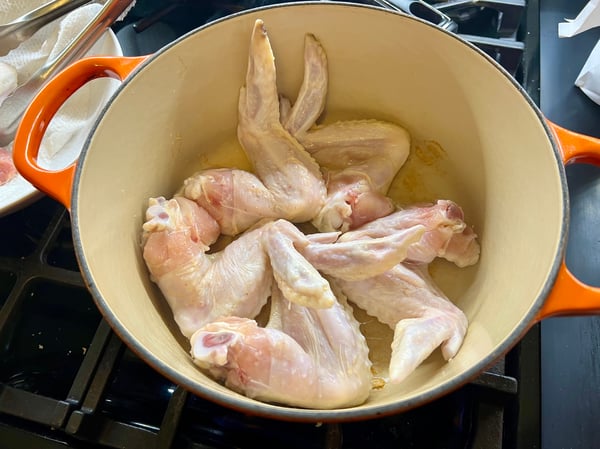
1. Heat the oil in a pot or Dutch oven, season the chicken and sear on all sides.
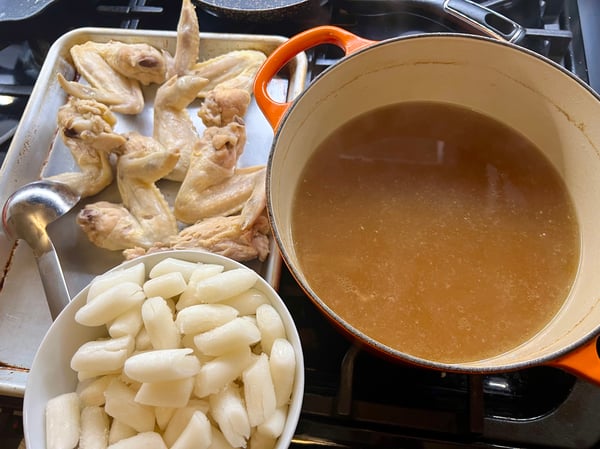
2. Pour the stock over the chicken and bring to a simmer. Simmer the chicken partially covered for 20 minutes or until cooked through. Remove from the broth and set aside.
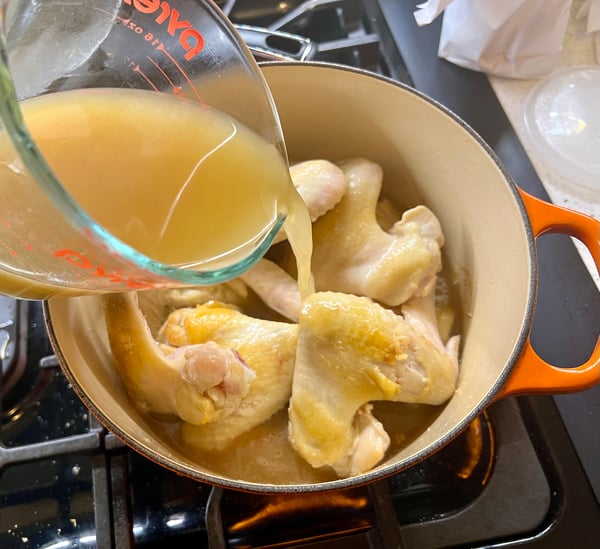
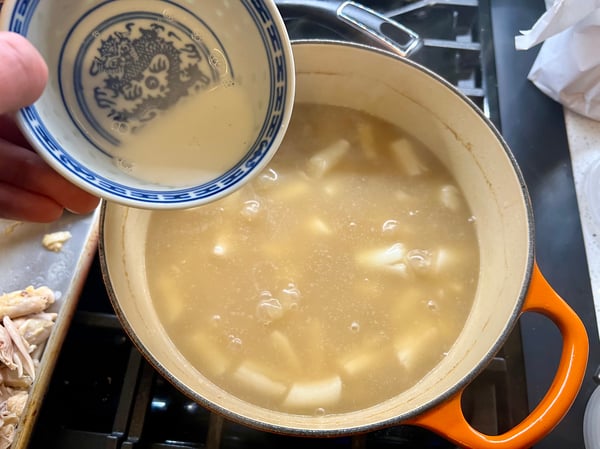
3. Add the rice cakes to the broth and bring to a boil, mix the starch and milk together in a small bowl to make a slurry. Mix the slurry into the boiling broth and reduce to a simmer.
4. Add the vegetables and continue to simmer for 10-15 minutes. While this is happening pull apart or shred the chicken meat.
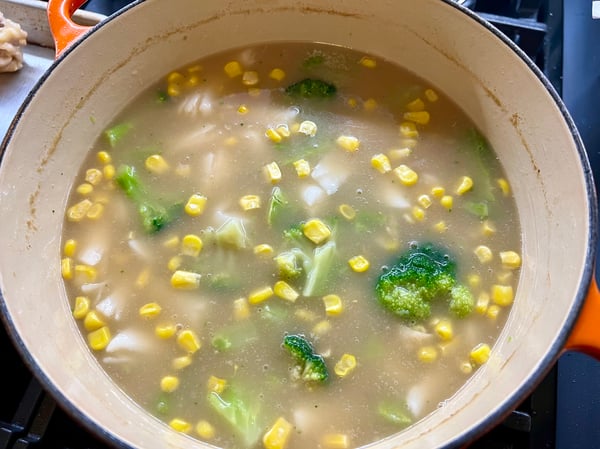
5. Once the rice cakes are tender add the chicken back to the soup and season it to taste.
The Chopping Block's Essential Building Blocks class is the best way to build a strong foundation of techniques and learn how, why, and where you might utilize substitutions like these. Join us on Sunday, December 7 at 9am for the next session!