
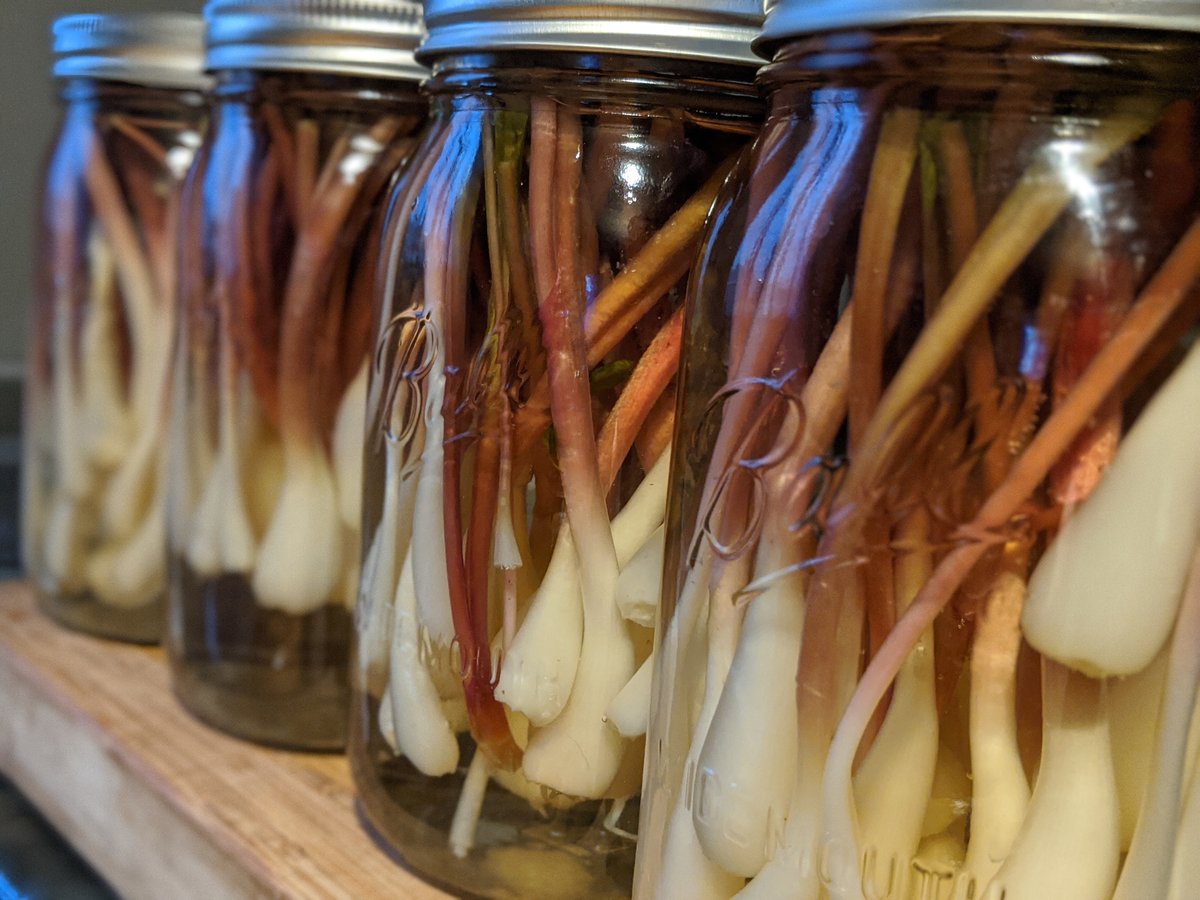
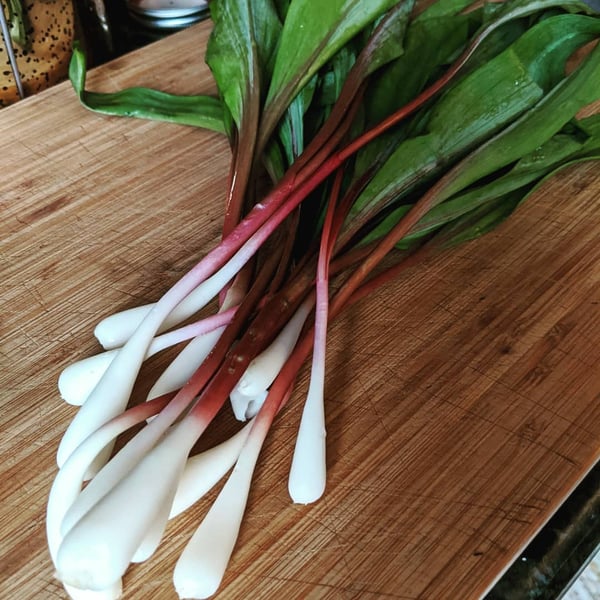
Spring in the Midwest is often a game of "will-it-or-won’t-it" with the weather, but there is one harbinger of the season that never misses its cue: the wild ramp. Chicago’s namesake, wild leeks or ramps are the darlings of the foraging world, appearing for a fleeting few weeks between late March and early May. They carry a pungent, intoxicating flavor that sits somewhere between a sharp garlic and a sweet spring onion.
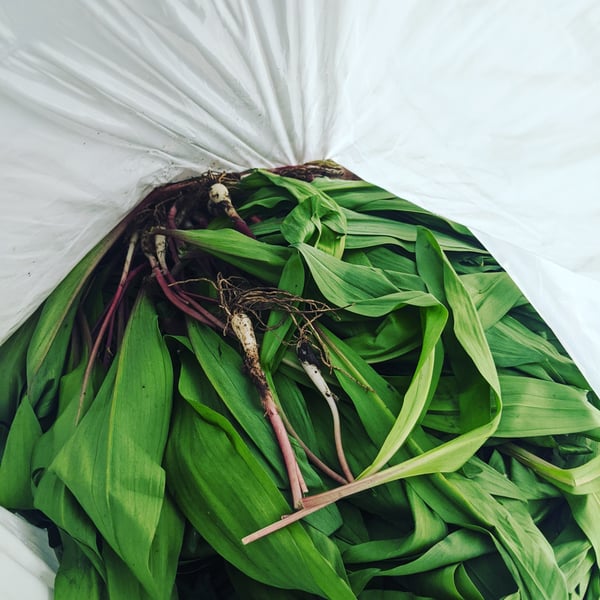
Because they are so ephemeral—and because they grow so slowly (taking up to seven years to reach maturity!)—we treat them with respect like we will any wild edible.
The Golden Rule of Harvesting
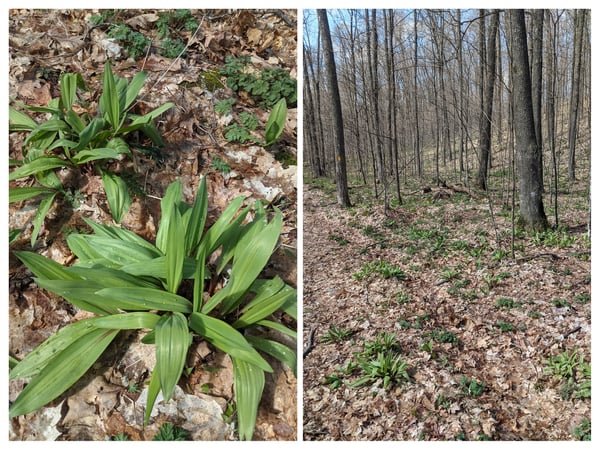
If you’re lucky enough to find a patch in the wild, remember that sustainability is everything. Never harvest the whole patch. In fact, the most responsible way to enjoy ramps is to harvest only one leaf per plant, leaving the bulb and roots in the ground to grow again next year. If you are buying them at a market, look for vendors who sell just the greens. If you do harvest the bulbs on private land with permission, take no more than 10% of a cluster. We want these forest gems to be here for another generation of cooks!
Once you’ve brought your bounty home, the goal is to make that fleeting flavor last all year. Here is how we preserve the "bulbs" (stems) and the leaves separately.
The 3-2-1 Pickled Ramp Bulbs
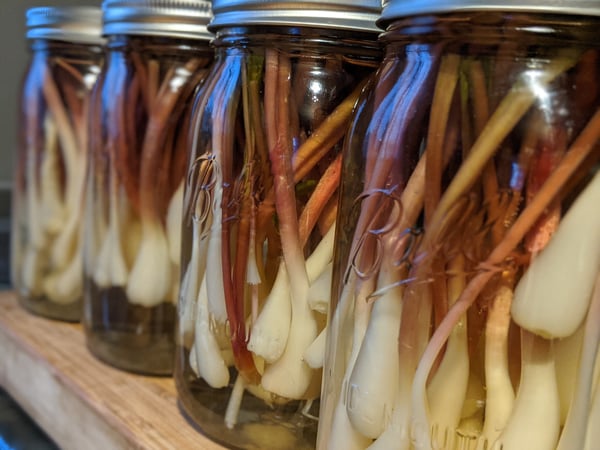
For the lower stalks and bulbs, a quick "pour-over" pickle is the gold standard. We use the classic 3-2-1 Brine ratio, which is a foundational tool every home cook should have in their back pocket.
3 parts water
2 parts vinegar (White distilled or Apple Cider)
1 part sugar
A healthy pinch of Kosher salt
-
Clean your ramp bulbs thoroughly, trimming the very bottom root disc.
-
Pack them tightly into a sterilized glass jar.
-
In a small saucepan, bring the water, vinegar, sugar, and salt to a boil until the solids are dissolved. While the brine is still hot, pour it directly over the ramps until they are fully submerged. The heat "flash-cooks" them just enough to soften their bite while keeping that satisfying crunch.
-
Let them cool on the counter before popping them in the fridge. They’ll be ready in 24 hours and stay delicious for months.
DIY Ramp Powder (The Oven Method)
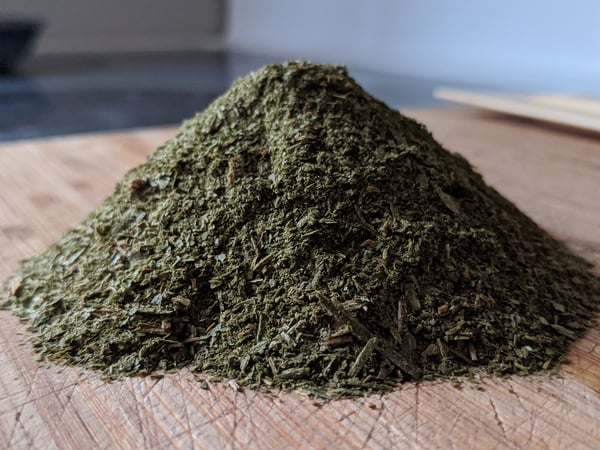
Don’t you dare throw away those vibrant green leaves! When dried and powdered, they become a potent seasoning that is incredible over popcorn, roasted potatoes, or even folded into our homemade mozzarella.
If you don’t have a dehydrator, your home oven can do the job perfectly:
- Wash and Dry: Thoroughly wash the leaves and pat them bone-dry with a towel. Moisture is the enemy here.
- Low and Slow: Set your oven to its lowest possible setting (usually 150°F or 170°F).
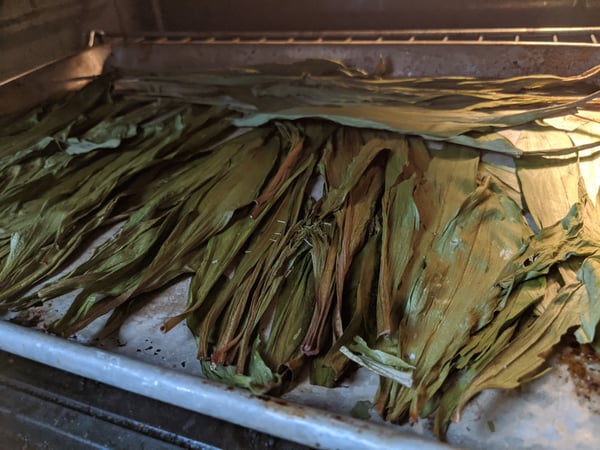
- The Wooden Spoon Trick: Lay the leaves in a single layer on a rack-lined baking sheet. Place them in the oven and prop the door open slightly with a wooden spoon. This allows moisture to escape rather than turning your oven into a steamer.
- The Wait: Let them dry for 2–4 hours. They are done when they are "shatter-dry"—if you touch them and they crumble instantly, they’re ready. (I like to let them get a hint of golden brown to add a subtle ‘popcorn’ warmth to their flavor).
- The Powder: Once cooled, pulse the dry leaves in a clean grinder or spice mill until you have a fine, emerald-green powder. Store in an airtight jar away from direct light.
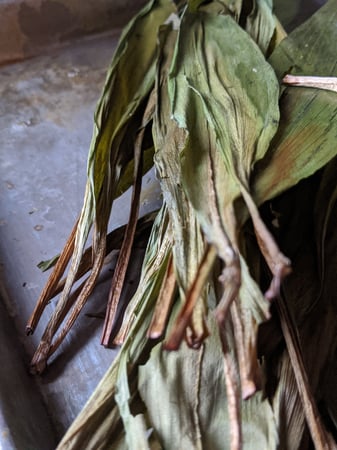
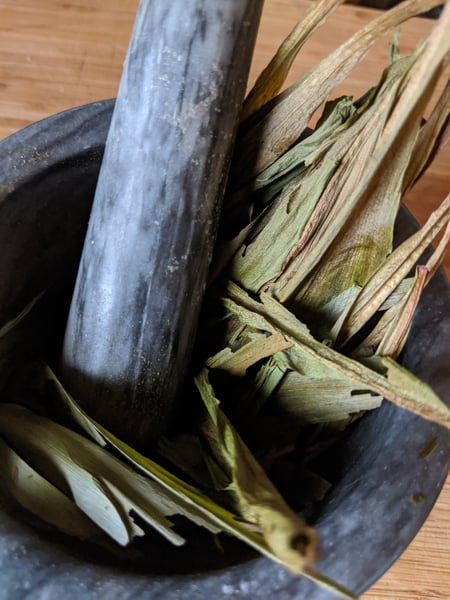
One bag of ramps might only last a week in the fridge, but with a jar of pickles and a tin of ramp powder, you’ve bottled the spirit of spring for the long haul. The powder elevates everything from popcorn and compound butters, to fish and game, and I’d challenge you to find a better pickle whether it’s shingled on your charcuterie board or sprinkled into a spring salad.
It will be here before you know it!
Don’t let the incredible ingredients of spring pass you by! Check out our class calendar now to learn everything from knife sharpening to breakfast breads and pastries—and keep an eye out for our grilling classes starting up as the weather warms.
