
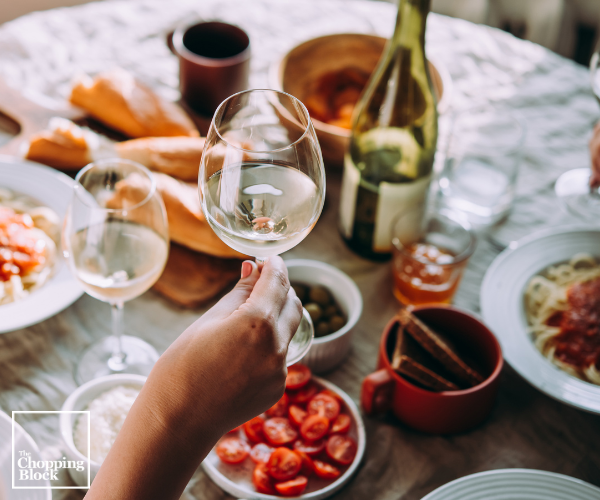
The number one question I receive by a wide margin is “What’s your favorite wine?” More often than not, my answer is Riesling.
Why Riesling Rocks
Riesling is low in alcohol: Many folks are lowering their alcohol intake, even if they don’t drink for a living as do I. While alcohol in many wines – especially from warm climates including California – skyrockets to 14% and up, Riesling hovers around 12%, often lower from cooler growing regions.
It’s refreshing: With nearly no barrel contact, Riesling avoids the oily weight of oak matured wine. Also, while most grapes lose acidity while ripening, Riesling maintains acidity for refreshing, palate cleansing tartness.
It’s so sweet: Not!
How are Riesling and Rosè Different?
Rosè (roh-ZAY) is a broad category, indicating the lightest of red wine. They may be produced of any red grape or blend of grapes. Flavors lean towards red berries and range from dry to sweet. Alcohol ranges from light (10%) to high (14% and up). Wines might be labelled Rosè (France and international), Rosado (Spain) or Rosato (Italy) pink, blush, or White + a grape name (i.e. White Zinfandel).
Riesling (REE-sling) is a grape. Flavors lean towards apples and stone fruit and range from dry to sweet. Alcohol is generally low (8% to 12%). Because Riesling is so prized, labels generally bear its name.
Here’s the Glitch
Like Rosè, there’s little way to tell from the label what the flavors are inside the bottle other than - in general - rosè has berry flavors; Riesling has green apple or stone fruit flavors. Here are basic styles to check with your wine merchant or ask for at The Chopping Block.
Riesling’s Bum Rap
First, recognize that sweetness ain’t all bad. Next, accept that all Riesling isn’t sweet.
Imagine everything sweet you’ve consumed today and take it away. Next take away every dessert or candy, every soda pop, every Pad Thai, sushi, glazed ham and any other sweet dish you’ve had all year. Depressed yet?
That’s how most people felt in the days before processed sugar. Until about the 1800’s, the only reliable sources of sweetness were honey, sap or fruit. Because the grape is one of our sweetest fruits and Riesling can ripen into one of our sweetest grapes, Riesling wine, especially grown in Germany, became a world commodity on par with France’s finest Bordeaux.
World Wars shattered the German Riesling pipeline, but not its appeal. In the 1950’s, when the light, sweet Blue Nun wine entered the U.S., a star was born. At its 1985 peak, estimates tally Blue Nun at one in every four bottles consumed in the U.S.
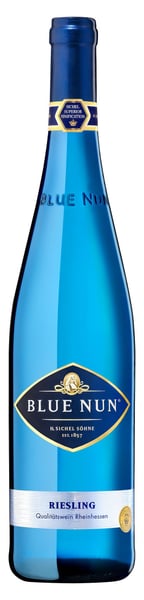 Photo courtesy of Blue Nun Wine
But by the 1990’s, California wine captured America’s imagination. High alcohol, dry and oaky wine was in; Blue Nun was out. By association, all Riesling suffered, which seems like condemning the Beatles because you’re bored with the Monkees.
It’s time to get over it.
How to Enjoy Riesling as Much as I Do
Learn how to say it. A trick to German pronunciation is to say the second of two vowels. So, ‘stein’ is pronounced stine and ‘Riesling’ is pronounced REE-sling.
Next, make a Spritzer. Pick a drinking vessel of your choice. Fill it with ice, Riesling and soda water to your taste. A straw and/or mint garnish are optional.
Next, make a meal. As a guide, I suggest my time-tested pairing rules:
Look for opposites that attract: Riesling’s acidity refreshes the palate from the fattiness of creamy dishes (such as chicken pot pie), fried foods (fried onions) and cured foods (sausage).
A sweeter Riesling’s sugar will protect the palate from fiery spice in three-alarm barbeque and spicy Asian cuisine.
Look for common denominators of flavor: Riesling’s fruitiness echoes fruit ingredients in condiments (pork with apples sauce), glazes (peach-glazed ham) and dishes such pineapple chicken.
Sweeter for the sweets: Even delicately sweet dish can make an otherwise delicious dry wine turn bitter. So, choose a beverage that is a little sweeter than your dish.
The Sweet Dilemma
America’s love-hate relationship with sweetness triggers risks of heart disease and diabetes with burgeoning candy, soda and bakery aisles. But mention Riesling? “Ew, it’s so sweet!”
In fact, many Rieslings contain less sugar than many popular California Chardonnays. Unfortunately, the international wine industry hasn’t developed labels to indicate sweetness in wine, including Riesling. As always, turn to your trusted wine merchant for advice or try these wines at The Chopping Block:
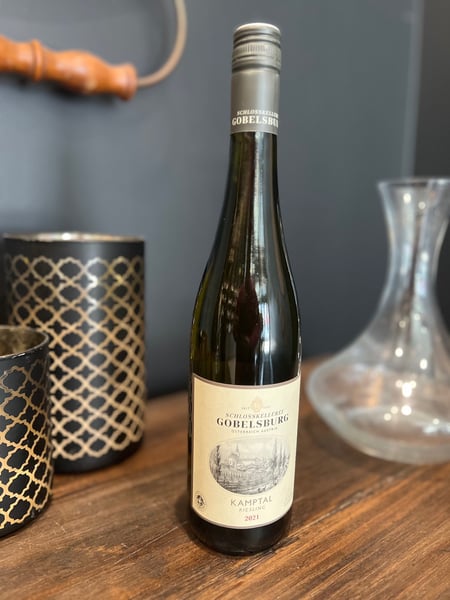
My choice for sushi, roasted carrots and onions and other just-sweet dishes is a just-sweet (‘off-dry’ in winespeak) Riesling such as TCB’s selection:
Riesling, Schloss Gobelsburg "Gobelsburger", 2021, Kamptal, Austria ($31.50): Dry but lush with nectarine flavor intertwined with mineral complexity and refreshing finish, this Austrian beauty satisfies a wide range of cuisine.
 For sweeter, richer and/or spicier dishes, like the pineapple chicken or sweet-n-spicy barbeque try a sweeter Riesling such as:
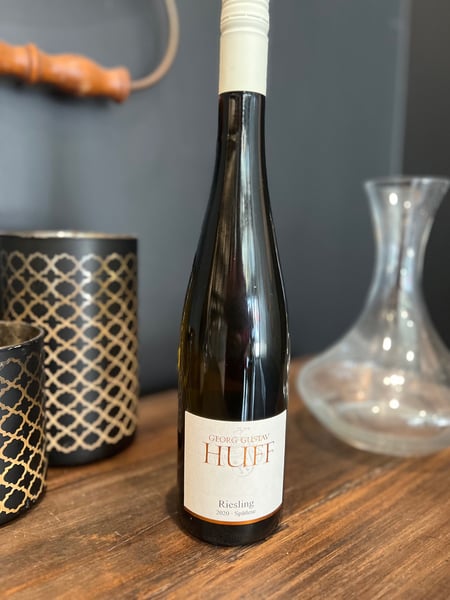
Riesling Spatlese, Huff, 2020 & 2021, Rheinhessen, Germany ($30.00): A classic Riesling, in Germany’s second sweetness level with juicy peach flavor, mineral accents and refreshing tartness for a sweeter cocktail and complement to foods prepared with fruit, spice and/ or smoke. Delicious with all cheese, especially blue!
 To support regional farmers, try this elegant Michigan-grown Riesling:
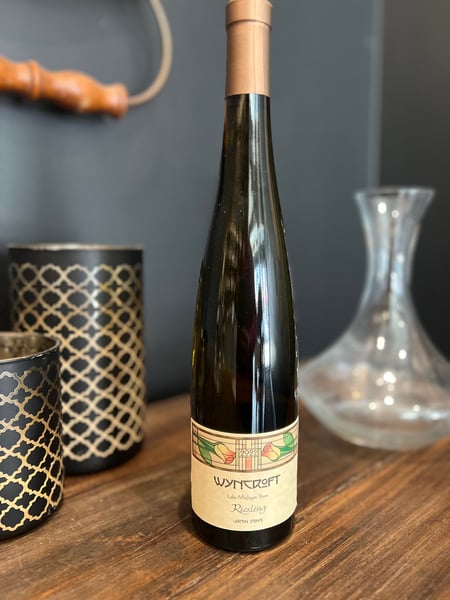
Riesling "Wren Song" Wyncroft, 2022, Lake Michigan Shore, Michigan ($38.00): Bone-dry and statuesque, "Wren Song" offers the lean fruit, bracing acidity and mineral complexity of classic Old World Rieslings. Winemaker James Lester grows four clones in his mineral-rich vineyard for complexity and age-ability. Add this bright acidity to seafood and rich dishes such as fondue.
 My next wine seminar focuses on the perfect marriage of wine and cheese. Join me for Culinary Heaven: Wine and Cheese Pairing on Friday, June 20 at 6:30pm. You'll taste five prominent cheese styles matched with five wines. Riesling isn't on the menu for this class, but I'm always happy to talk about my favorite wine!
