
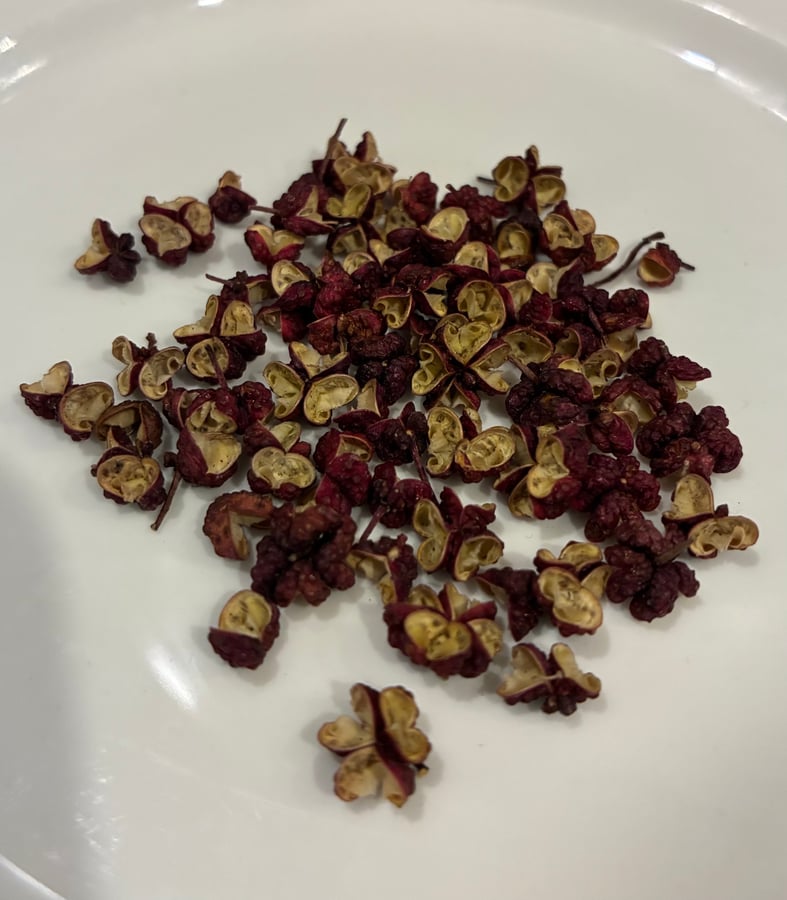
In the next edition of my Spices Around the World series, where I research and discuss the most common spices used in various world cuisines, I’ve decided to showcase one that I only just recently fell in love with: Sichuan.
A note on the spelling: while Szechuan is still widely used in the west, Sichuan is the more modernized spelling, and matches the spelling of the actual Chinese province.
Before I continue, I want to acknowledge that Sichuan cuisine is about much more than just spices. Oils, vinegars, and fermented products all play a vital role in how the region’s food is prepared. Even though this post is meant to specifically showcase spices, there will be a few things listed here that don't technically fall in the “spice” category but are so vital to the cuisine that it would be a disservice not to include them.
There's a wide misconception that all Sichuan food is spicy. And while there are plenty of dishes that sit pretty high on the heat scale, spiciness is only one aspect of the vast complexity of the cuisine. A governing principle of Sichuan cooking is “one dish, one shape, hundreds of tastes.” Each dish is a symphony of flavor, carefully balancing sweet and savory, spicy and fragrant. It's not about spice; it's about balance. Below are some of the most common spices and flavorings used in Sichuan cuisine to achieve this balance.
Sichuan Peppercorns
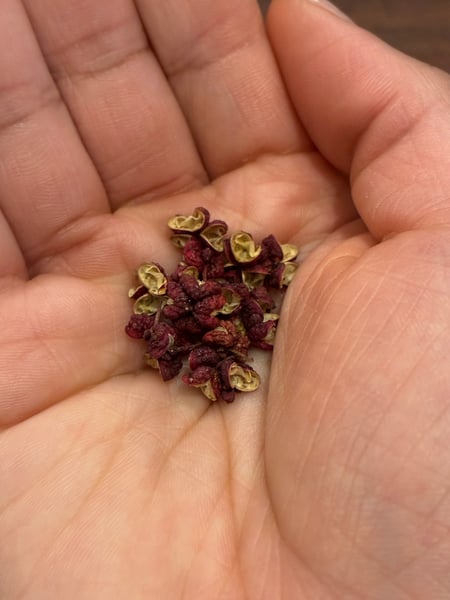
One of the most prominent flavor profiles in Sichuan cuisine is málà, a combination of heat and mouth-tingling numbness on the tongue. The má (numb) sensation is provided by Sichuan peppercorns.
An absolute essential in Sichuan cuisine, Sichuan peppercorns are not actually “peppercorns” at all – they actually belong in the citrus family. They contain a compound that triggers nerve vibrations, providing that signature numbing sensation. Their husks contain a fruity, citrus flavor and floral aroma. When purchasing them, look for bright red/russet (or green, depending on variety) husks to signal authenticity, quality and freshness. It’s recommended that you dry toast them before use to brighten their flavor and remove some of their raw bitterness.
Dried Red Chilies
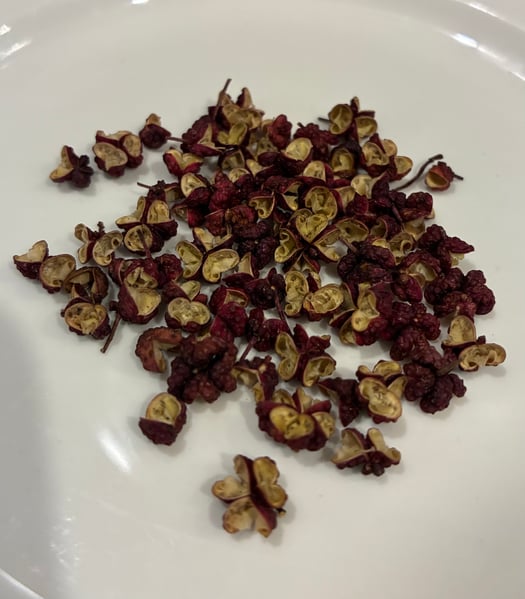
The spicy là aspect of the málà flavor profile comes from dried red chilies. Different varieties of dried chili peppers are grown in the Sichuan province, Erjingtiao being the most common. These bright red peppers offer fragrance as well as heat, and are typically fried whole in oil. A proper ratio of peppers and Sichuan peppercorns is essential for achieving the málà balance; too much of one or the other, and the experience is ruined. If you’re going for authenticity, don’t just buy any red chili pepper — make sure they’re listed as Sichuan chilies.
For additional ways to unlock their flavor, try dry toasting them to release some smokiness, or blending them with oil to make a classic finishing condiment: chili crisp.
Doubanjiang (Broad Bean Chili Paste)
Not technically a spice, but a Sichuan pantry staple nonetheless. The backbone of Sichuan cooking, this paste is made from fermented fava beans, chilies and salt. It adds color, depth and a rich, savory umami, and is often used in stir fries or to form the base of sauces. It’s a key ingredient in mapo tofu, one of the most iconic dishes hailing from the region.
Fermented Black Beans
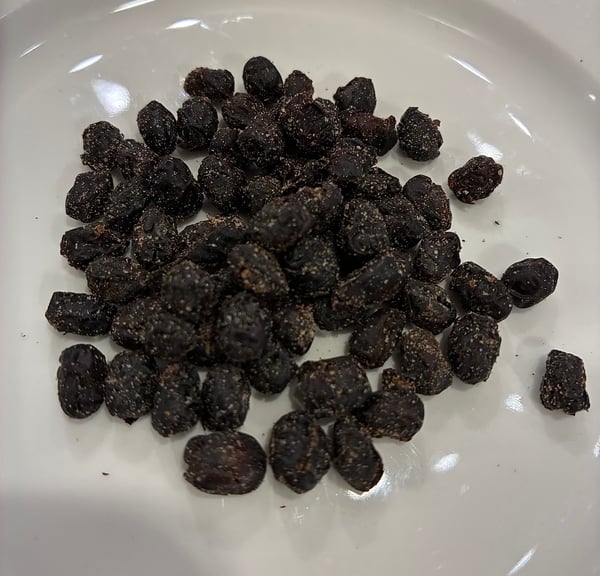
Another key ingredient in mapo tofu (and also not technically a spice), these small soy beans are salted and fermented until they pack a serious punch of salty, savory umami. They’re often used in conjunction with doubanjiang, but are also commonly used with garlic in various steamed dishes. If adding to a dish, make sure to rinse them first to get rid of excess salt, as failing to do so could make your dishes overly salty.
Garlic & Ginger
The building blocks of Asian cuisine at large. The combination of these aromatics brings balance and freshness to the complexity of Sichuan dishes. Garlic adds a nice aroma and depth of flavor, while the warmth and slight sharpness of ginger elevates the overall numbing sensation of Sichuan peppercorns.
Star Anise
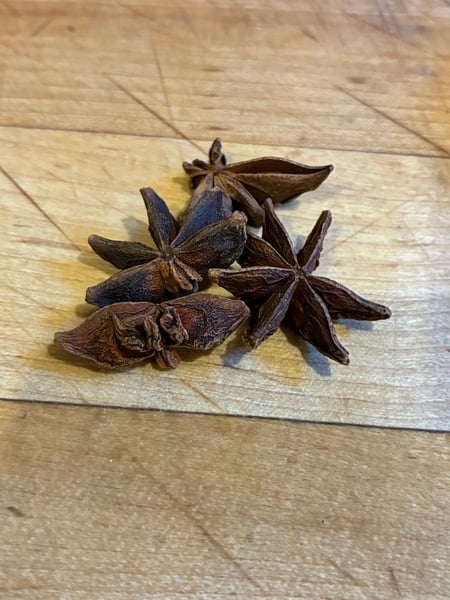
These flower shaped pods have a sweet, licorice aroma and flavor that offers a nice floral backbone to Sichuan dishes. It is often used in soups, stews, braised dishes and pickling brines.
Applications
As is true with Indian cuisine, a lot of what makes Sichuan cuisine unique is not just the spices used, but also how they’re treated, and what techniques are used to maximize their flavor. Some of these include:
- Toasting peppercorns in a dry pan.
- “Blooming” spices in hot oil before adding the protein.
- Frying doubanjiang until it’s fragrant.
- “Water boiling” (shui zhu) - a technique similar to braising, where marinated protein is gently cooked in a seasoned broth, topped with spices, then drizzled with sizzling hot oil to toast the spices.
These are all simple but deliberate steps to boost the overall flavor and character of a dish. Even the type of equipment plays a role: stir frying dishes in a wok allows for high heat and constant motion, keeping the delicate spices from burning while allowing their flavors to penetrate the food.
Sichuan Dishes to Try
You can read a blog post all day, but if you’re interested in learning and understanding the applications discussed here, I highly recommend trying some classic Sichuan dishes for yourself, especially if you never have before. Whether you first try them at home or at a restaurant, these are the most popular dishes hailing from the Sichuan province:
- Mapo Tofu - soft tofu and minced meat (usually pork) simmered in a spicy sauce of doubanjiang, dried chilies, and ground Sichuan peppercorns
- Kung Pao Chicken - chicken quickly stir fried with dried chilies, peanuts and scallions in a sweet, sour and savory sauce
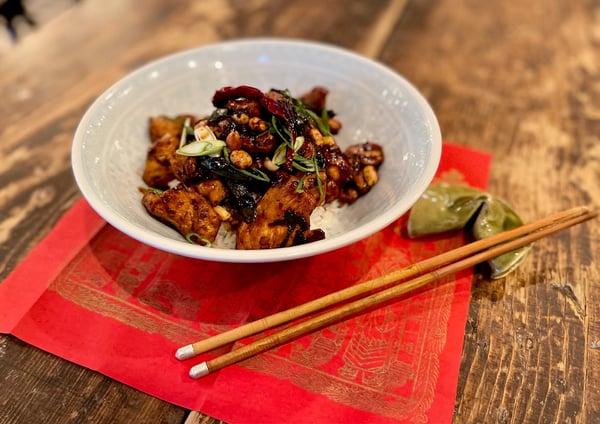
- Shui Zhu Yo (Sichuan Boiled Fish) - a dish using the shui zhu technique; a whole fish (or sometimes fish fillets) is thinly sliced and gently cooked in a flavorful, aromatic broth and finished with sizzling oil to toast the spices in the broth
- Sichuan Hotpot - a communal dining experience that involves cooking various vegetables and proteins in a shared pot of ma la (spicy and numbing) broth
- Dan Dan Noodles - wheat noodles tossed in chili oil, preserved vegetables, and crispy fried pork; a street food classic
- Twice Cooked Pork - skin-on pork belly is first boiled or simmered in aromatics, then sliced and flash fried in a hot wok with a doubanjiang-based sauce
If you’re looking to understand more about the relationship of spices and their effects, we cover the basics of this in Culinary Boot Camp. Also, for Culinary Boot Camp 1 graduates, we discuss the flavor profiles of various world cuisines in Culinary Boot Camp 2. We have many other classes that focus on international flavor which you can find on our class calendar.
