
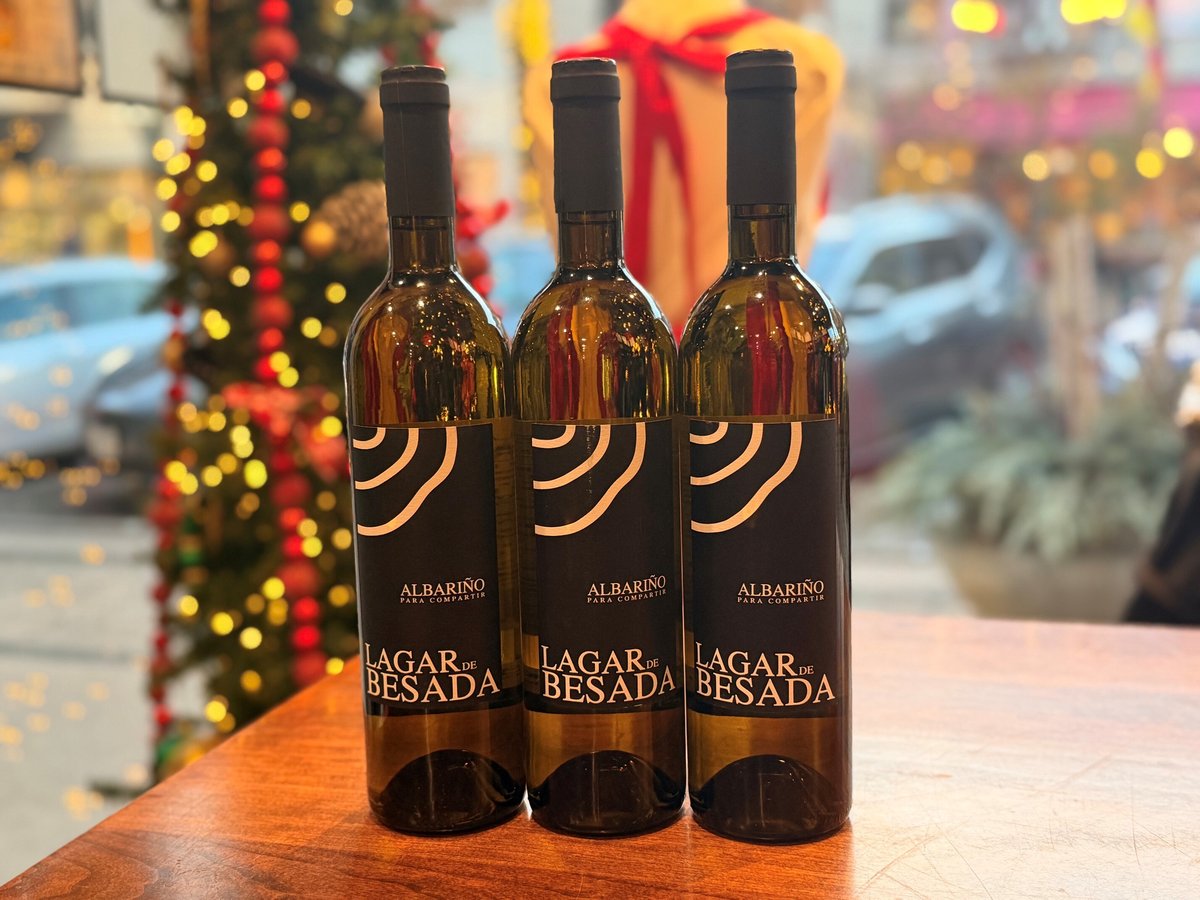
This month we continue our exploration of the The Chopping Block's Wine List in search of some bottles that are sure to add a little excitement to your next meal. Our previous stop took us to Piedmont, Italy, where we explored the wonderful world of Nebbiolo. This time, however, we’re trading in the rolling hills of northern Italy for the rugged coastline of northwestern Spain. Enter, Albariño.
Albariño vs. Sauvignon Blanc
At first glance, Albariño and Sauvignon Blanc have quite a bit in common. Both are typically pale in color, both have refreshing acidity, and both are known for their expressive aromatics. Think citrus, fresh herbs, and plenty of fruit. However, once you take a sip, you’ll begin to understand what makes Albariño such a special grape.
The biggest difference comes down to texture and flavor. Sauvignon Blanc is often associated with grassy, herbaceous aromas and flavors of grapefruit, lime, and sometimes bell pepper. Albariño, on the other hand, tends to lean toward citrus, stone fruit, and delicate floral aromas. You’ll often find notes of lemon, peach, apricot, and occasionally a little salinity.
That last characteristic is particularly interesting. Albariño is most famously grown in Galicia, a region in northwestern Spain that sits right along the Atlantic Ocean. The cool, maritime climate helps preserve the grape’s naturally high acidity, resulting in wines that are incredibly fresh and vibrant. Some people even describe Albariño as having a slightly salty or ocean-like quality.
And while Sauvignon Blanc can sometimes be a little more aggressive with its aromatics, Albariño tends to strike a beautiful balance between fruit, freshness, and minerality. It’s the kind of wine that makes you want to sit outside, order a dozen oysters, and pretend you don’t have anywhere to be.
The Wine
Bodegas Lagar de Besada is a family-owned winery located in the heart of the Salnés Valley, within Spain’s Rías Baixas appellation. The winery began its journey in 1988, around the same time the Rías Baixas denomination was officially established. Since then, the family has made Albariño their specialty.
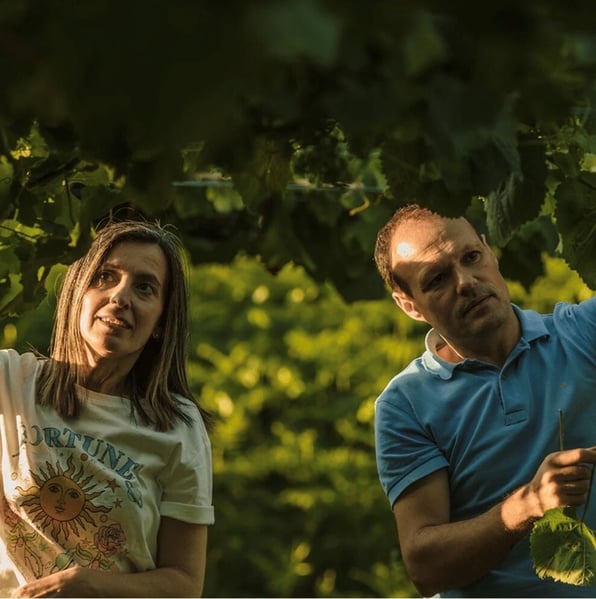
Photo courtesy of Bodegas Lagar de Besada
The Salnés Valley is considered one of the most important subregions for Albariño production. Its proximity to the Atlantic Ocean, combined with its cool and humid climate, creates ideal conditions for producing wines with bright acidity and expressive aromatics.
The winery follows a philosophy of minimal intervention, allowing the grapes and the natural characteristics of each vintage to shine through. Their vineyards are spread across small parcels throughout the valley, where vines are traditionally trained on elevated trellises to encourage airflow and protect the grapes from the region’s humidity.
This particular Albariño is made from 100% Albariño grapes. After fermentation, the wine spends at least five months resting on its fine lees in stainless steel tanks. This process helps preserve freshness while adding a little extra texture and complexity to the finished wine.
In the glass, expect a pale straw-yellow color with aromas of fresh citrus, ripe fruit, and subtle floral notes. On the palate, bright acidity takes center stage, accompanied by refreshing citrus flavors and a delicate saline finish. It’s crisp, clean, and incredibly easy to enjoy.
What to Cook with It
Albariño is a fantastic match for this. Its naturally high acidity complements the lime and cuts through the richness of the beef, while its citrus and stone-fruit flavors play beautifully with the fresh herbs and aromatics. The wine’s subtle saline character also works wonderfully alongside the fish sauce.
A little acidity goes a long way when pairing wine with food. Albariño’s refreshing character works beautifully with flaky white fish, especially when topped with pico de gallo, lime, cilantro, and a little queso fresco.
If there’s one pairing that captures the coastal spirit of Albariño, it’s a big bowl of mussels. This preparation takes things a little further with a rich, savory sauce made from beer, mustard, garlic, and shallots.
At the end of the day, Albariño is one of those wines that reminds us why we love exploring different regions and grape varieties. It’s refreshing without being boring, expressive without being overwhelming, and versatile enough to find its way onto just about any dinner table.
Add Some Sparkle to Your Holiday Season
If you've enjoyed exploring Albariño, why not join me for our upcoming Wine Happy Hour: Holiday Sparkling Wines? I will guide you through a tasting of three festive sparkling wines, including Prosecco, Champagne and Moscato d'Asti, while sharing tips for pairing them with food and choosing the perfect bottles for holiday entertaining.
Reserve your spot and get ready to raise a glass to the holidays!
