
At The Chopping Block, our mission has always been to teach, inspire, and bring people together through cooking. But just as important as learning how to cook is understanding what we’re cooking with and where it comes from.
Food is more than fuel; it tells a story of people, land, and culture. After all, food tastes better when it’s fresh, seasonal, and grown with care. And when you know the story behind your food (who grew it, how it was raised, and why it’s special), it adds a whole new layer of appreciation to the meal on your plate. When you know the source of your ingredients, you’re making choices that affect not only the flavor of your dishes but also your community and the environment. Choosing seasonal, locally grown produce supports small farmers, reduces the environmental impact of transportation, and connects us to the rhythms of the land we live on.
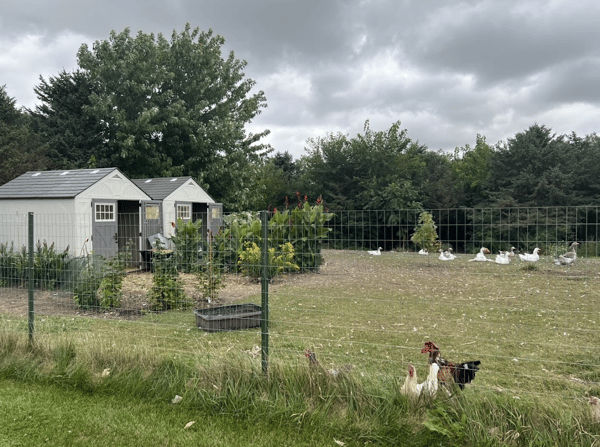
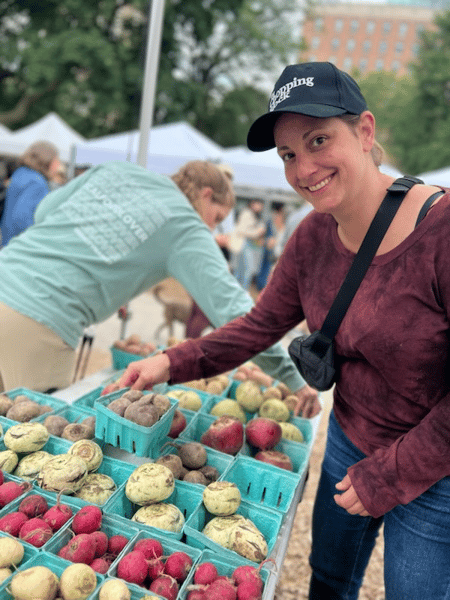
Chicago is home to a thriving network of farmers markets that run spring through fall, many of which continue with winter pop-ups. One of my favorite ways to connect with food is by strolling through Chicago’s many farmers markets. Markets like the Green City Market in Lincoln Park, the Logan Square Farmers Market, and our very own Lincoln Square Farmers Market bring together farmers, artisans, and neighbors in celebration of local food.
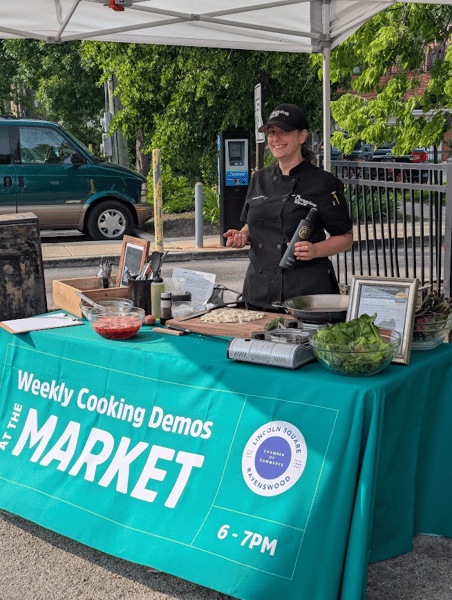
Here, you can find everything from heirloom carrots and just-picked greens to artisanal cheeses and small-batch breads. I think there’s something magical about talking to the person who harvested your peaches or pulled your honey that very morning. We have bi-weekly cooking demonstrations at the Lincoln Square Farmers Market on Thursdays where we shop at the Tuesday market and the create a recipe using those ingredients purchased to showcase what is truly possible when shopping at the market.
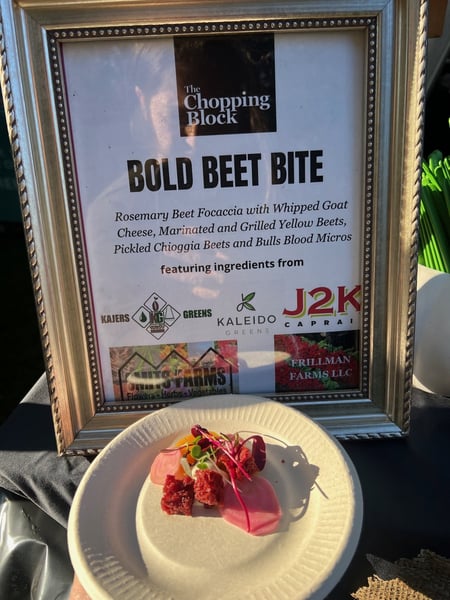
Every year, we participate in the Green City Market Chef BBQ. This year, I think I swayed the few non-believers that beets are not delicious. Our Bold Beet Bite consisted of red beet focaccia with pickled Chioggia (pick) beets and marinated/ grilled yellow beets with whipped goat cheese to tie it all together. I have cultivated numerous relationships with my farmers to provide for this event but it is definitely more than that. I will do their product proud and give the guests a delicious bite that they will remember.
I have polled numerous students in my classes and beets are definitely one of the most polarizing vegetables out there - right up there with mushrooms and tomatoes - so much so that I wrote another blog about the most hated veggies! But when done right, beets are umami to the core. Earthy, sweet, and good for you, these root vegetables pack a punch once you know how to cook them correctly.
Shopping at these markets is more than a transaction - it’s a relationship. You meet the farmer who harvested that produce just hours before, and you discover varieties of ingredients that you may never have seen in a grocery store before. These conversations deepen our appreciation for food and encourage us to try new recipes at home. It is that time of year again where all of our gardens are ripe for the picking; literally. The Chopping Block wants to help you use your bounty with classes such as Pickle Party, seasonal Lunch and Learns and all of our ethnic classes.
I had the privilege to be invited to teach a cooking demo at the Chicago Botanic Garden for their heirloom week festivities. I learned so much while I was there about their fully functional fruit and vegetable garden. It is one of the largest in the surrounding area! What I may lack in the growing and harvesting area, I more than make up for it in knowing how to cook all of this bountiful produce. That is why this is such a beneficial arrangement. We both want to educate the masses on how to be sustainable from all facets of food.
The Chicago Botanic Garden takes this idea a step further with its Windy City Harvest program, a nationally recognized model for urban agriculture. From rooftop gardens to community farms, they’re teaching both new and seasoned growers how to cultivate healthy, sustainable food in the city. Their practices such as soil stewardship, composting, and crop rotation remind us that the way food is grown has a direct impact on flavor, nutrition, and the environment.
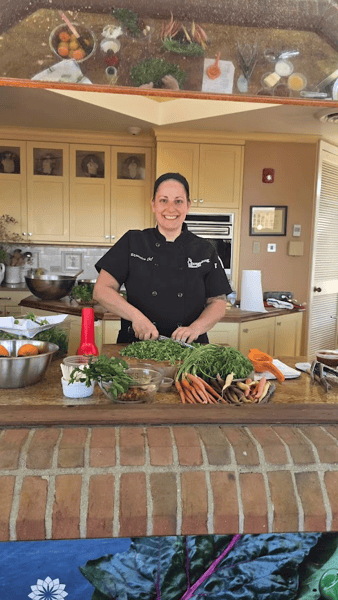
At The Chopping Block, we share this philosophy. Just as the garden educates and inspires people to grow food sustainably, we teach people how to prepare and enjoy that food in ways that honor its origins. We design our classes around the seasons, highlighting what’s fresh right now in Chicago. This approach ensures that our recipes not only taste better but also reflect the community we’re part of. Cooking with seasonal ingredients gives you a deeper appreciation for nature’s cycles and a sense of pride in supporting local growers. We want to make cooking approachable and have our students be able to source all of our ingredients whether you grow them or not.
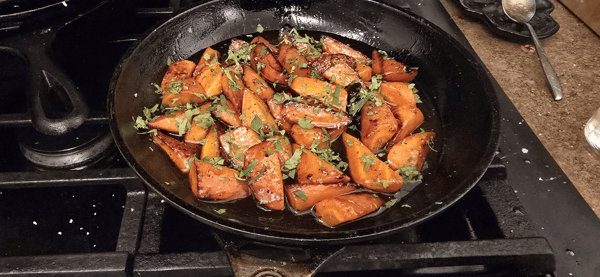
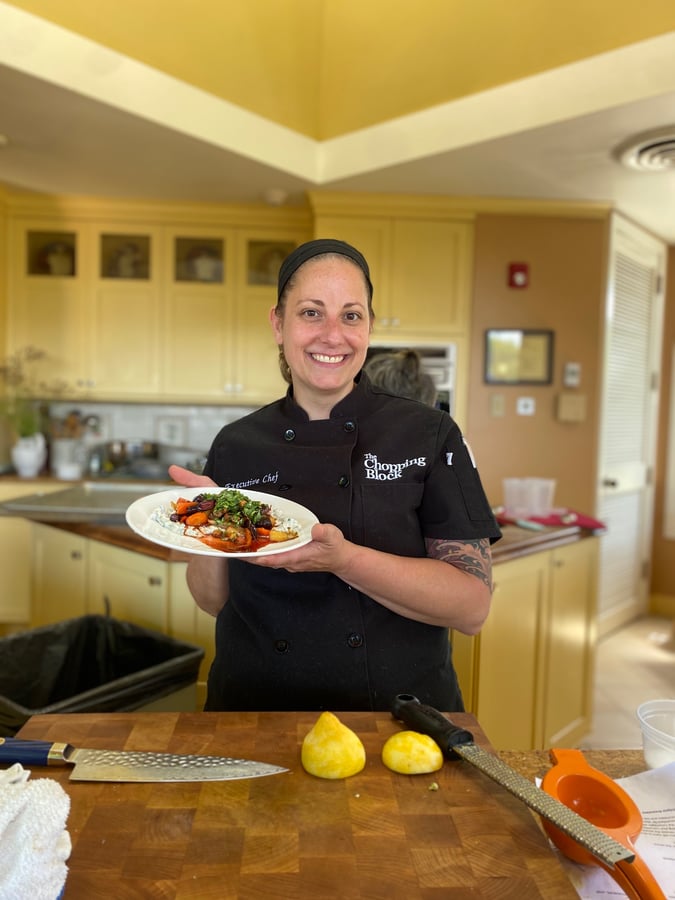
To celebrate this philosophy, we’re sharing a recipe you can try at home with produce you’ll likely find at a farmers market this fall: Heirloom Glazed Carrots. I was so inspired by this recipe for the Chicago Botanic Garden that I developed a whole class around it!
Heirloom Glazed Carrots
Serves: 4
Prep time: 10 minutes
Cook time: 15 minutes
Total time: 25 minutes
1 lb heirloom carrots, peeled and cut into batons or left whole if small
2 tablespoons unsalted butter (or olive oil for dairy-free)
2 tablespoons local honey or maple syrup
1/2 cup fresh orange juice (about 1 orange)
1 teaspoon orange zest
1 tablespoon harissa
Salt and freshly ground black pepper, to taste
Fresh parsley or carrot tops, finely chopped, for garnish
- Prepare the carrots: If using small, tender carrots, leave them whole for presentation. Larger carrots can be cut into uniform sizes for even cooking.
- Cook: In a large skillet, melt the butter over medium heat. Add the carrots and sauté for 3–4 minutes until slightly softened and lightly golden.
- Glaze: Stir in honey, orange juice, zest, and harissa. Reduce heat to low, cover, and simmer for 8–10 minutes, until carrots are tender but not mushy.
- Finish: Remove the lid and increase heat to medium-high. Allow the liquid to reduce until it forms a glossy glaze that coats the carrots. Season with salt and pepper.
- Serve: Transfer to a serving dish and sprinkle with fresh parsley or carrot tops for a burst of color and freshness.
Cooking Tip: If you can’t find heirloom carrots, rainbow carrots or traditional orange carrots work beautifully. Swap thyme for rosemary or sage for a fall-inspired twist.
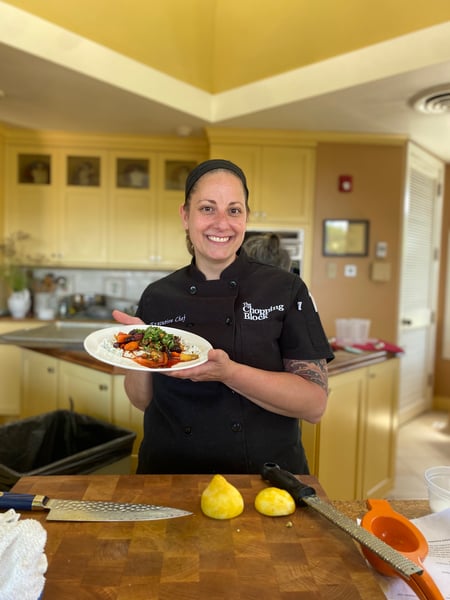
In our upcoming Moroccan class, we pair these glazed carrots with a yogurt sauce to make for an excellent side dish to just about any protein. At the Chicago Botanic Garden demo, I took it a step further by adding an heirloom greens gremolata to the dish. The possibilities are endless when you are working with farm fresh produce.
By shopping at Chicago’s farmers markets, learning from the practices of the Chicago Botanic Garden, and cooking seasonally with us at The Chopping Block, you’re joining a movement that values flavor, sustainability, and community. The next time you take a class with us, know that the ingredients you’re working with carry a story and you’re helping to write the next chapter. Can’t wait to have you in our kitchens!
