
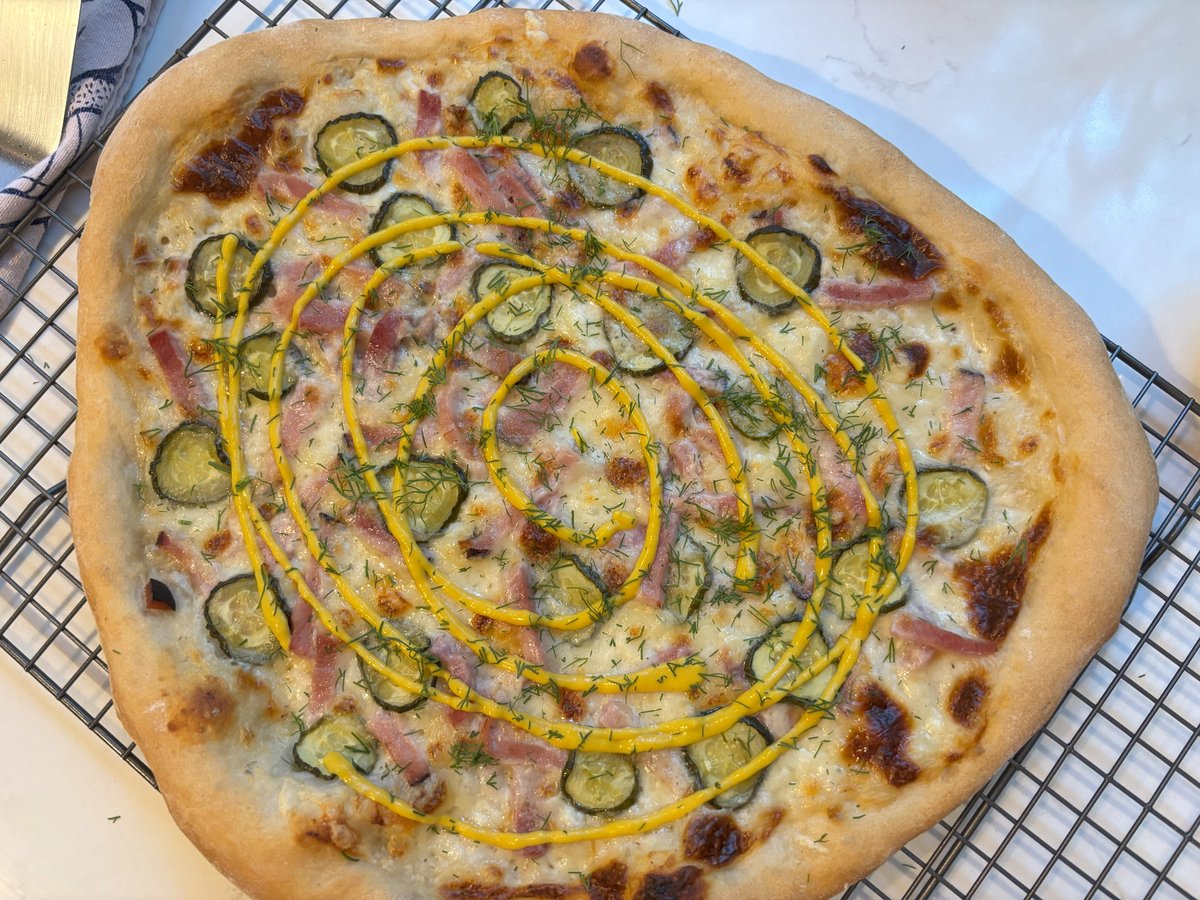
I love Cuban sandwiches and I love pizza, so why not have the two join forces to create a fun and creative recipe? Cuban sandwiches (a.k.a. Cubanos) are so delectable because the layers are comprised of roasted or pulled pork, sliced ham, Swiss cheese, mayonnaise, mustard and pickles all built on a hoagie roll. The sandwich is then griddled and pressed to crisp the bread and melt the cheese.
In addition to having fun in the kitchen and putting an exciting spin on pizza, I also wanted to find a creative way to use pickles in a recipe. I have pickle inspiration, if that’s even a thing. It came about from a monthly Chopping Block brainstorming meeting where the idea to use pickles and pickle brine in a class was discussed. Everyone was on board and a new class was born called Pickle Party: Think Outside the Jar. I just finished writing the recipes for the new pickle class, and now because I have pickles on the brain, I had to satisfy my craving. And this is how the Cuban sandwich pizza came to be!
The first step in making a Cuban sandwich pizza is to prepare the pizza dough. If your grocery store sells good-quality, fresh pizza dough, that’s also a great option. The pizza dough recipe I use is a Chopping Block staple and is used in all of our Neapolitan Pizzeria classes.
Here are some tips if making your dough from scratch:
- Start by mixing together the warm water and yeast in a large mixing bowl or the bowl of a stand mixer (I used a stand mixer to do all of my kneading so I could multitask).

- Once the yeast becomes foamy, add your olive oil and salt.
- Then add most of the flour; don’t add all of it because the tackier the dough the better. If using a stand mixer, the dough should stick to the sides a bit while kneading. If kneading by hand, lightly oil your hands while kneading so you don’t have to add more flour. Of course, use your best judgment - if the dough is difficult to work with because it’s too wet, add a sprinkling or two of flour. Just don’t go overboard.

- You’ll know when the dough has been fully kneaded when two things happen: First, the dough will be smooth and elastic. The second test is if you gently push your finger into the dough, it should spring back. If it doesn’t, knead the dough for an additional 2 to 3 minutes.

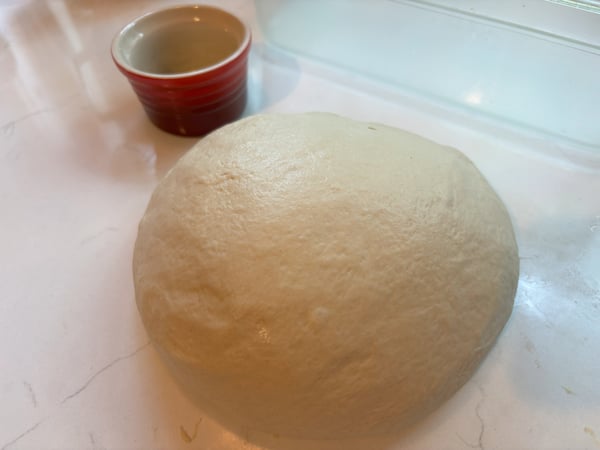
- Transfer the dough to a lightly-oiled bowl or container and cover with a lid or with plastic wrap. Make sure the container is bigger than your dough to account for the increase in volume when rising.
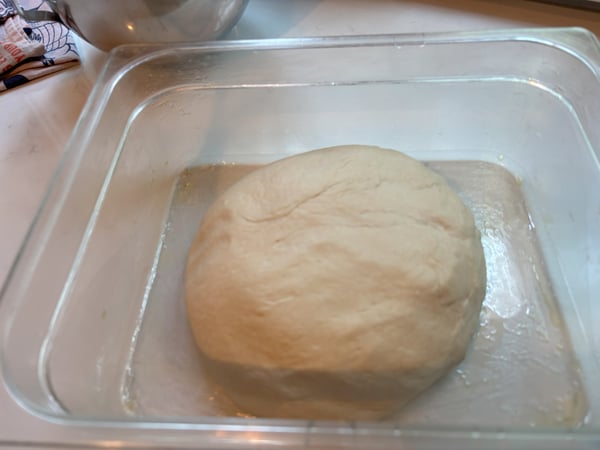
- Now it’s time for the dough to rise and let the yeast do its job. If you have time, it’s best to let the dough rise in the fridge for several hours but overnight is best. This slows down the fermentation process and creates a more flavorful dough and better texture. If you don’t have time to let it ferment in the fridge, that’s okay! Allow the dough to rise at room temperature until doubled in size, which can take anywhere from 1 1/2 to 2 hours, depending on the temperature in your home.
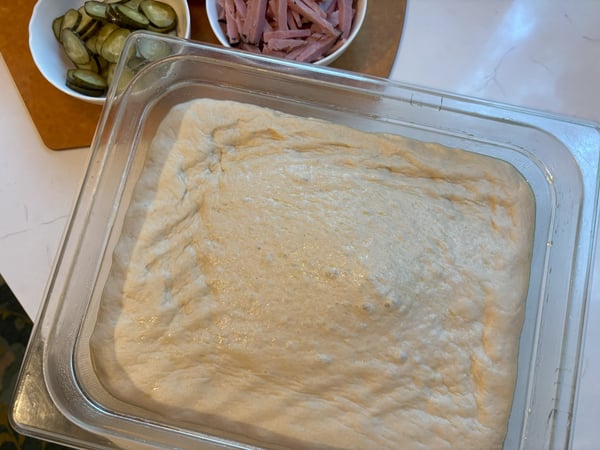
- Once the dough has risen in the fridge or at room temperature, divide the dough into portions using a bench scraper and form into balls. For a 10-inch pizza, the dough should weigh 6 to 8 ounces and for a 12-inch pizza, the dough should weigh anywhere from 8 to 10 ounces. If your dough is on the heavier side, you’ll have a thicker crust and if it’s on the lighter side, your crust will be thinner.
- Place the portioned dough balls on a lightly-floured surface, cover with plastic (spray the plastic with pan spray or brush with olive oil to prevent it from sticking) and allow the glutens to relax, about 30 minutes. This will make it easier to shape the dough.
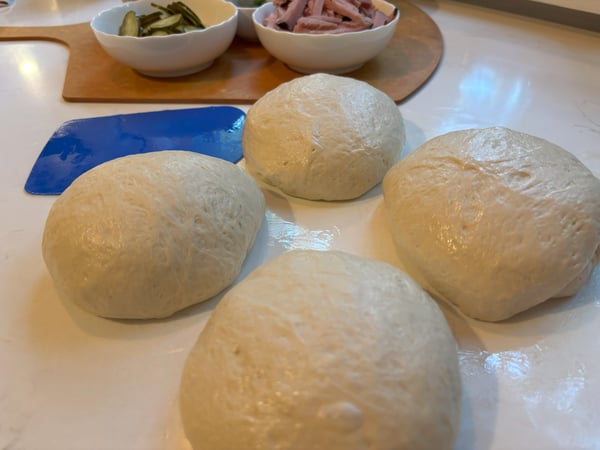 Now it’s time to shape and build the pizza. To shape the dough, I used my hands rather than a rolling pin as this method allows for more control in making a puffy crust.
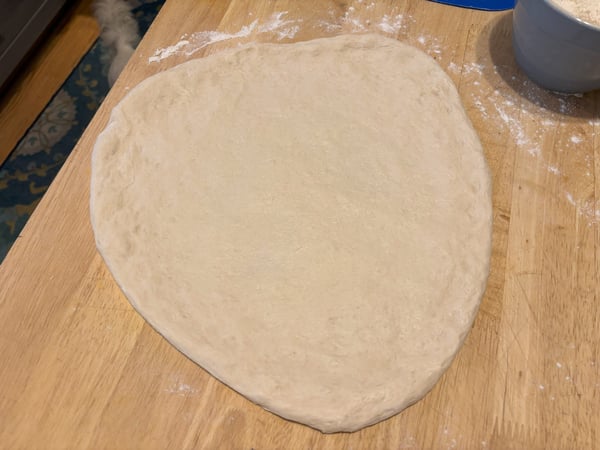 For some shaping guidance, I watched the video toward the end of Andrea’s The Best Homemade Pizza I’ve Ever Made blog featuring Ken Forkish’s recipe from of The Elements of Pizza.
After shaping the pizza, transfer the dough to a lightly-floured pizza peel if you are baking the pizza on a pizza stone. If you don’t have a pizza stone, place your shaped dough on a lightly-floured sheet tray.
For the Cuban sandwich pizza, I spread a thin layer of almost guilt-free alfredo sauce on my shaped dough followed by grated Swiss cheese. I then topped the cheese with deli ham strips and kosher dill pickle slices.
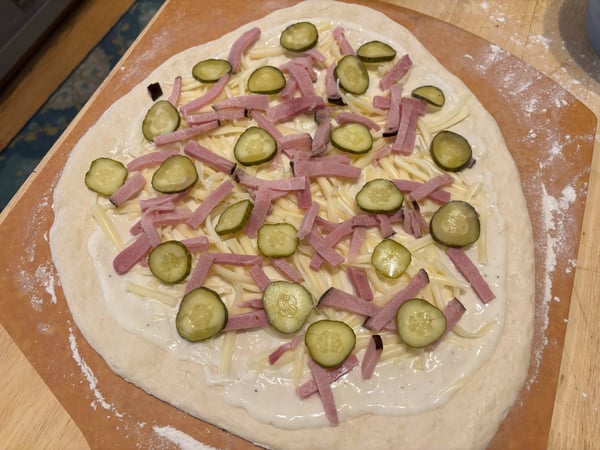 Slide the pizza onto your pizza stone or place the sheet tray in your 450° oven and let the magic happen!
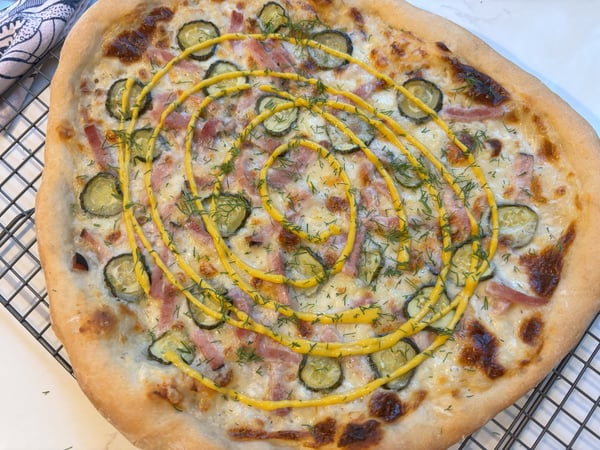
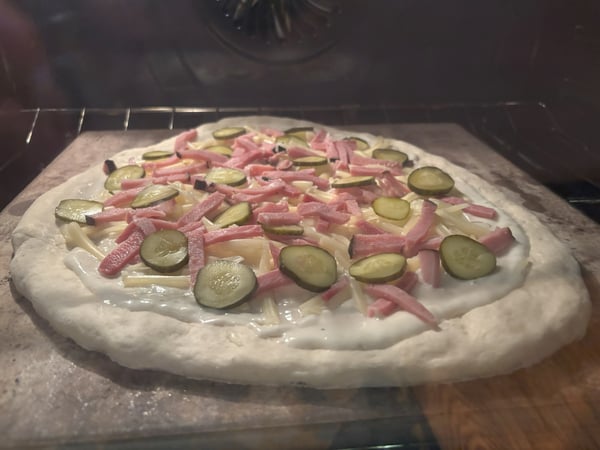 Bake until the crust is deeply golden brown and the cheese is bubbly and brown in some spots, 12 to 15 minutes. Once the pizza come out of the oven, top with yellow mustard and sprinkle with fresh chopped dill. Cut into slices and serve!
As expected, the pizza tasted just like a Cuban sandwich! The crust was light and crisp, the texture of the toppings was so enjoyable and the flavors were fantastic. It was most definitely a crowd pleaser last night! Next time I’m going to try making a bratwurst pizza and then a gyros pizza. Stay tuned for my next pizza adventure!
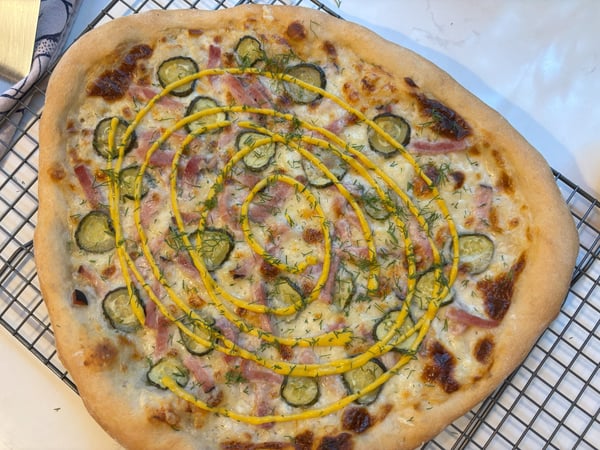
Cuban Sandwich Pizza
Yield: Two 10-inch pizzas
Active time: 40 minutes
Start to finish: 2 hours, 40 minutes
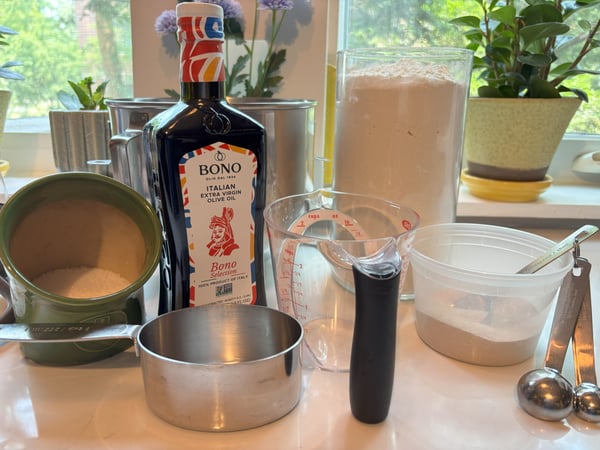
For the dough:
1 cup lukewarm water (110º to 115º)
1 tablespoon active dry yeast
1 tablespoon extra virgin olive oil
2 3/4 cups hard-wheat (“00”) flour (see note, below)
1 teaspoon fine sea salt
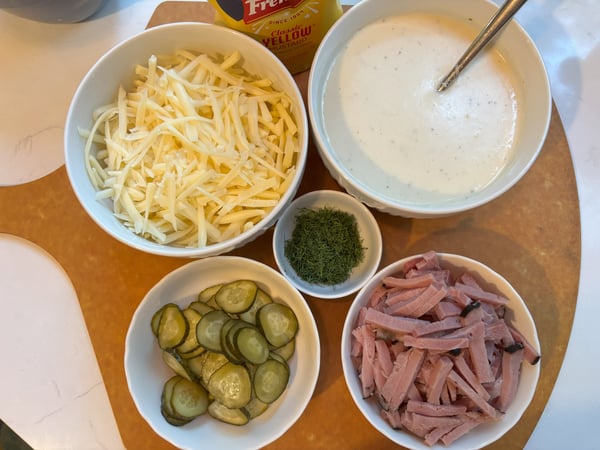
For the toppings:
1 cup almost guilt-free alfredo sauce
1 1/2 cups Swiss cheese, grated
3/4 pound piece deli ham, cut into strips
2 whole kosher dill pickles, thinly sliced into rounds
Yellow mustard to taste
2 tablespoons fresh dill, rough chopped
Flour as needed
- Sprinkle the yeast on top of the water in a large mixing bowl or in the bowl of a stand mixer, and gently stir until dissolved. Allow to proof until slightly foamy and aromatic to ensure the yeast is alive, about 5 minutes.
- Add the oil, most of the flour and salt. Mix with a wooden spoon until you have a shaggy dough or with the dough hook.
- If making the dough by hand, transfer the shaggy dough to your work surface and knead until smooth and elastic, 8 to 10 minutes. Only add flour as necessary as it’s best to have a tackier dough. To prevent the dough from sticking to your hands, lightly coat your hands with olive oil. If making the dough in a stand mixer, it’s ok if the dough is sticking to the sides of the bowl a bit while kneading. Allow to knead for 5 to 6 minutes, or until smooth and elastic.
- Shape the dough into a ball, place it in a lightly-oiled bowl and cover with plastic wrap. Let the dough rise at room temperature until doubled in size, 60 to 75 minutes, or in the refrigerator overnight.
- Place a pizza stone, if you are using one, on the lowest rack of the oven. Preheat the oven to 450°. Allow the stone to heat for at least 30 minutes.
- While the oven is heating, cut the dough in half and gently shape into two balls in order to make two pizzas. Place on a lightly-floured surface, cover with plastic wrap that’s been lightly sprayed or brushed with oil to prevent sticking, and allow the glutens to relax for 30 minutes.
- On a floured surface, shape the dough into a 10-inch round. Transfer the dough to a flour-dusted pizza peel if you are baking it on a pizza stone. Otherwise, place the dough on a flour-dusted sheet tray.
- Spread the alfredo sauce onto the dough followed by a sprinkling of the Swiss cheese. Top with the ham and pickles.
- Slide the pizza from the peel onto the pizza stone, or place the sheet tray in the oven. Bake until the cheese is bubbly and the crust is golden brown, 10 to 15 minutes.
- As soon as the pizza comes out of the oven, top with yellow mustard and a sprinkling of fresh dill.
- Cut into slices and serve.
“00” (Double Zero) Flour
In Italy, flour is classified either as 1, 0, or 00, referring to how finely the flour is ground and how much of the bran and germ have been removed. Double zero is the most highly refined ground flour from durum wheat, making it high in protein, which results in an extremely elastic dough perfect for pasta, focaccia, pizza and flatbread.
 If you love pickles as much as I do, you won’t want to miss our new class: Pickle Party: Think Outside the Jar. We’re running sessions on Tuesday, September 16 at 6pm and Saturday, September 27 at 12pm. You’ll learn how to make:
- Southern-Style Pickled Shrimp, Green Beans and Red Onions with Mixed Greens
- Pickled Brined Pork Chops with Cornichon-Mustard Sauce
- Dill Pickle Potato Salad
- Pickle and Cheddar Buttermilk Biscuits
Don’t miss our last session of Summer Canning and Pickling this summer on Saturday, September 13 at 10am. In addition to learning about pickling techniques, we’ll teach you how to can using a hot water bath so you can enjoy the flavors of summer for months to come.
