
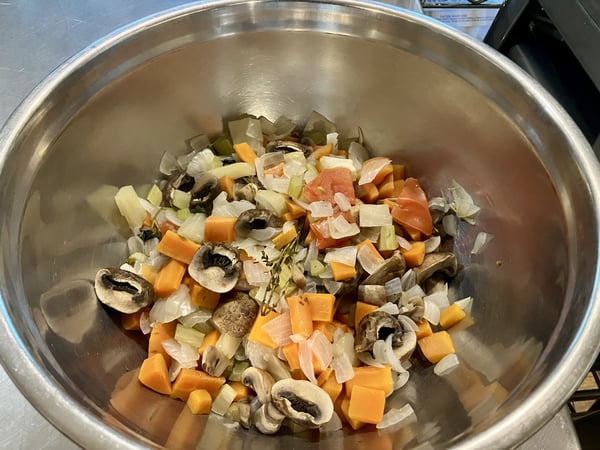
Left for the compost bucket are 8 cups of soft and somewhat tasteless veggies: a carrot, onion, 2 celery ribs, 2 tomatoes, half a fennel bulb, a half pound of mushrooms, a bay leaf, and 2 sprigs each of parsley and thyme. Don’t get me wrong - the value The Chopping Block places on composting is admirable, but it seemed there could be a better ending for these dreary vegetable remains from a batch of veggie stock that teens made during Gluten Free and Veggie Kitchen Camp. This put me on a mission to repurpose the vegetables.
There are many ways to make vegetable stock including collecting vegetable remnants, however in this case, the vegetables were purchased specifically to make stock, (and perhaps simultaneously incorporate some knife skill lessons). Vegetable stock, not to be confused with broth, is a plant-based base for soups, risottos, stews, sauces, and cooking liquid for grains.
Frequently my cooking innovations start with the internet. This time I recalled a Somebody Feed Phil episode when he was in Ireland. Somebody Feed Phil is a Netflix series in which Philip Rosenthal, the creator of "Everybody Loves Raymond,” goes on goodwill eating tours all over the world. Each episode is a new location. In Ireland, Phil ate boxty. Boxty is a traditional Irish potato pancake made with leftover mashed potato and grated raw potato. The vegetables I had were soft, like cooked potatoes, but certainly didn’t have the same starchy profile. The idea of pancakes was appealing and seemed workable with the scraps so I searched for vegetable pancakes. But I needed help with what would act as a binder and a flavor profile. I found an answer in Yachaejeon, a Korean vegetable pancake.
As the term suggests, binders in food hold ingredients together, give food structure or can act as an adhesive. The binder selected depends on the dishes’ other components and how the binder is being used.
What binders do for different foods:
- Meat/Protein: Binders coagulate to form a gel network when heated. Eggs, breadcrumbs, and starches are good choices for meatloaf, crab cakes, and meatballs.
- Baked goods: Binders trap moisture and build elasticity. Starches expand and thicken when heated. Common options include xanthan gum, chia or flax seeds mixed with water, applesauce, eggs, nut butters, and almond flour.
- Spice Rubs: Binders act like glue adhering dry rubs. Mustard, BBQ sauce, oil, and mayo can serve as a binder.
The recipe I found for yachaejeon used potato starch, flour, and Panko bread crumbs as a binder. The mixture of vegetables was different than mine and were fresh, resulting in no seasonings being added. Since the flavor of the veggies and herbs is extracted into the water to produce stock, I needed to add seasoning.
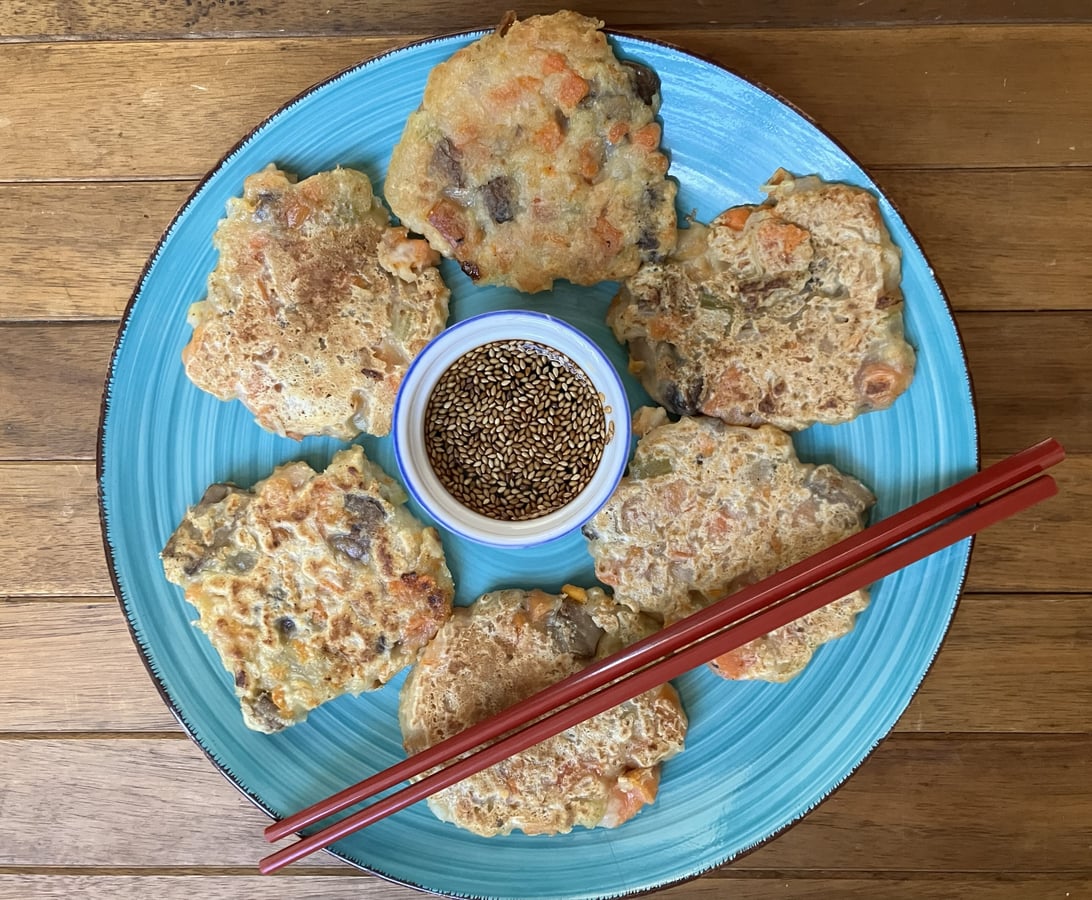
I cooked the pancakes in sesame oil and added ginger and garlic powder. Temperature matters for crispiness. Use medium to medium-low heat, adjusting as needed. If the pancake looks dry, drizzle a little oil around the edges for extra crunch. If you are desiring to use less oil, the pancakes still turn out but with limited crisp. I saw that with most of mine. The accompanying dipping sauce helped bring out the Korean flavor profile.
Korean Vegetable Pancakes (Yachaejeon)
Yield: 12-14 pancakes
Prep time: 30 minutes
Cook time: 5 minutes
Total time: 35 minutes
2 cups of veggie stock veggies
1 cup all-purpose flour
1/4 cup potato starch, or cornstarch
1/2 teaspoon baking powder
1/2 teaspoon ginger
1/2 teaspoon garlic powder
1/2 teaspoon kosher salt
1 1/4 cup ice water (slows gluten development for a lighter, crispier texture when fried)
6 - 8 tablespoons Panko breadcrumbs
Salt and pepper
8 tablespoons sesame oil
For the dipping sauce:
2 tablespoon soy sauce
1 tablespoon vinegar, either rice wine or white vinegar
2 teaspoons water
2 teaspoons sesame seeds
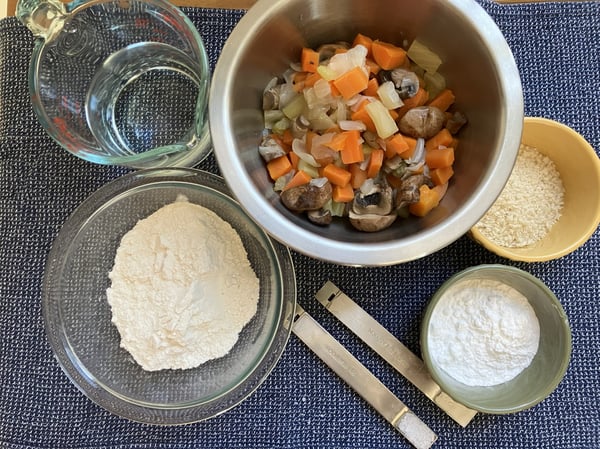
1. Place the vegetables in a large bowl.
2. In a bowl, whisk together flour, potato starch (or cornstarch), baking powder, ginger, garlic powder, and salt.
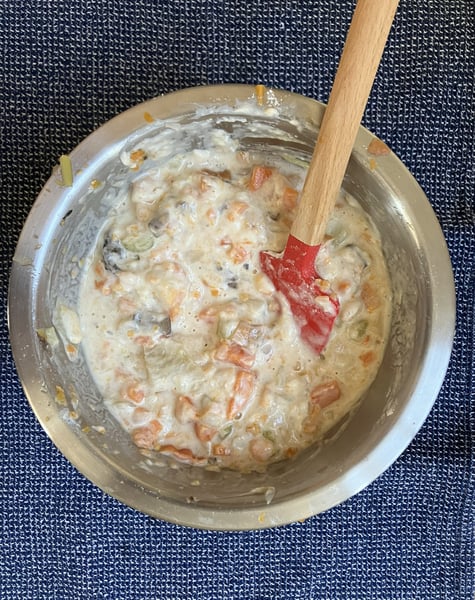
3. Pour in the ice-cold water and mix until the vegetables are evenly coated. The batter should be light but hold together.
4. Sprinkle the panko breadcrumbs over the mixture and toss briefly. This helps absorb moisture and enhances crispiness.
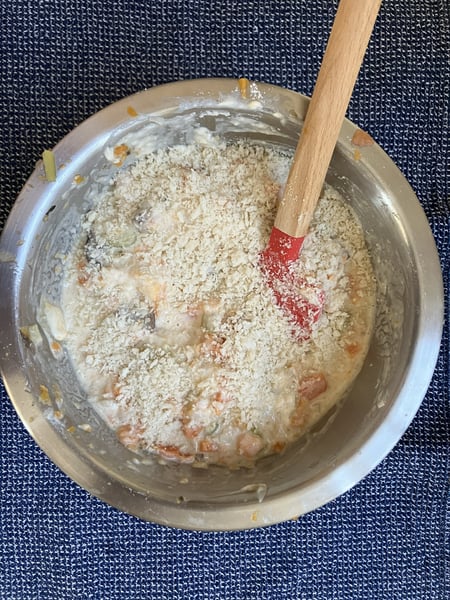
5. Season to taste.
6. Heat 2 tablespoons of oil in a non-stick or well-seasoned skillet over medium heat.
7. Pour a ladleful of batter (about 1/4 of batter amount) into the pan, spreading it thinly and evenly. A thickness of about 3/8-inch ensures crispiness—too thin may tear, too thick won’t crisp properly.
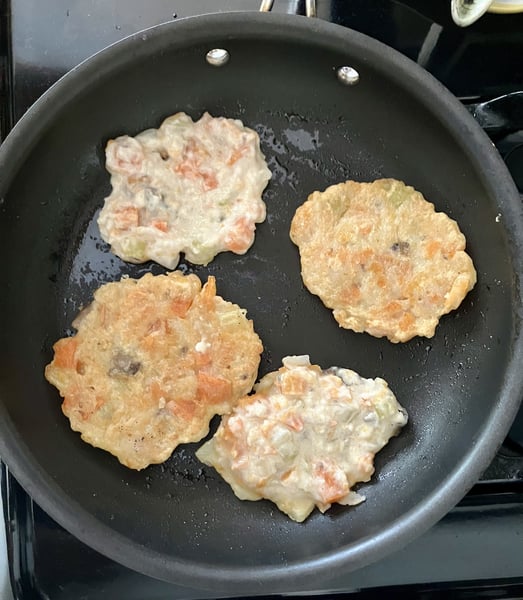
8. Cook undisturbed for 2-3 minutes until the edges set and the surface looks dry. Add more oil as needed.
9. Gently rotate with a spatula for even browning and to prevent sticking. Flip when golden brown. If edges seem dry, add a little oil.
10. Cook another 2-3 minutes until both sides are crispy and golden brown. Adjust heat as needed to avoid burning.
11. To make the dipping sauce, whisk all the ingredients together.
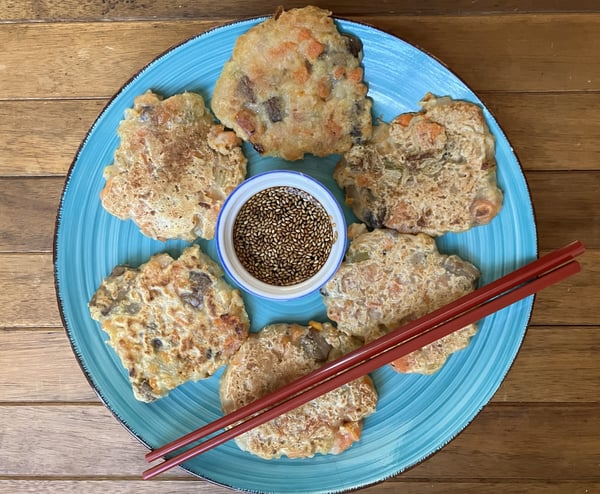
Pancakes can be reheated in the oven or toaster to restore their firmness.
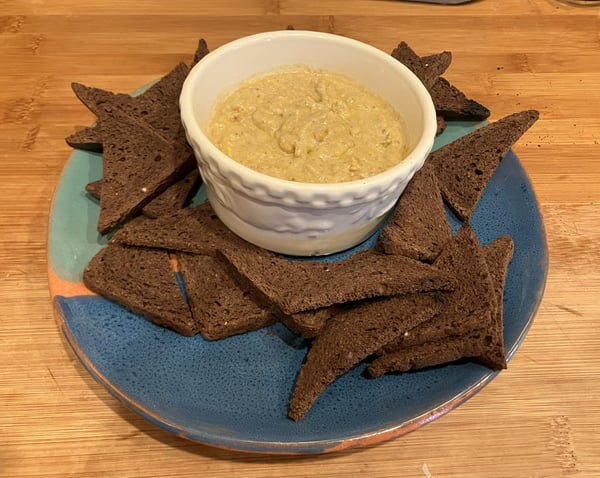
Half the veggies have been used, but I have another half to go. Again, I looked to the internet and didn’t find many ideas except pureeing. So, that’s what I did. I used the pureed the vegetables as the base for a dip and added flavor and something for thickening. Goat cheese thickened and balsamic vinegar, sugar, salt and pepper added flavor. The result wasn’t award winning, but good enough to save another cup of vegetables.
Looking for more on savory pancakes, try these scallion pancakes, or get a gift card so you can sign up for the Pancakes Around the World class the next time it's offered. Culinary Boot Camp is a great place to learn more about stocks and flavor profiles. You can start your own stock with the remnants from Fish Butchery and Cookery or learn more about cooking with vegetables at Vegetarian Boot Camp.
