

Growing up in the countryside, I learned a healthy respect for weather. We had galoshes for rain, flashlights for when ice broke power lines and - for when the cold got the best of our heater – blankets and logs stacked near the fireplace to warm us and the mulled wine that my dad prepared “for medicinal purposes”.
So, I have no problem breaking standard wine and food rules to adapt Mother Nature.
For warm weather:
Rule #1: Don’t Add Ice to Wine
Ice benefits wine enjoyment during the heat in several ways. Cooling wine increases its capacity to lower body temperature. (All alcohol lowers body temperature, contrary to popular belief.) Melting ice also counteracts wine’s dehydrating effect.
And, while it may earn me snooty stares, I know that dilution is a great way to check a wine’s quality. A well-made wine tastes as good diluted as not. In a poorly-made wine, dilution highlights off-flavors.
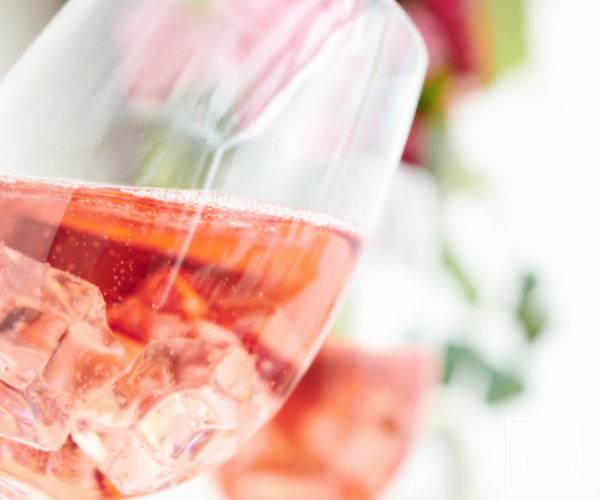 Caveats for all warm weather wine enjoyment: Avoid rich tannin, alcohol and oak which are accentuated during dilution and chilling, in wines like Cabernet Sauvignon, oaked Chardonnays and that bottle ageing in your cellar. Choose instead the low oak, tannin and alcohol in wines including Pinot Grigio, Riesling and unoaked reds, which are nowadays often labelled “Naked.” A customer favorite at The Chopping Block is:
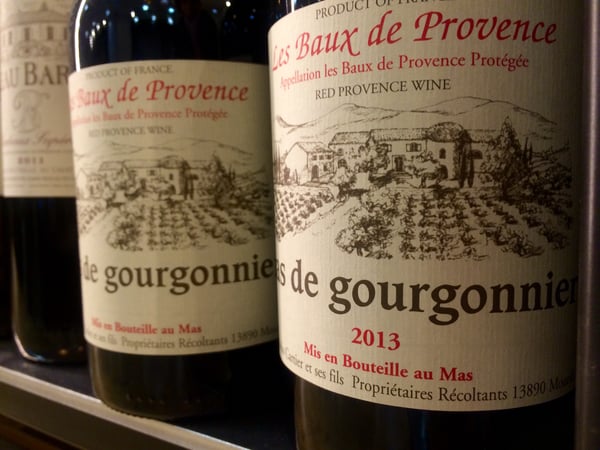
Les Baux de Provence Rouge, Mas de Gourgonnier, 2022, Provence, France, $28.00: This sip-able (and chillable!) red offers spicy berry flavor, with black pepper and Provence's regional "garrigues" (wild herb) accents. Serve as a rich cocktail and complement to meats (from burgers to light steak), poultry, vegetarian cuisine and rich ethnic dishes.
Rule #2: Don’t Chill Red Wine.
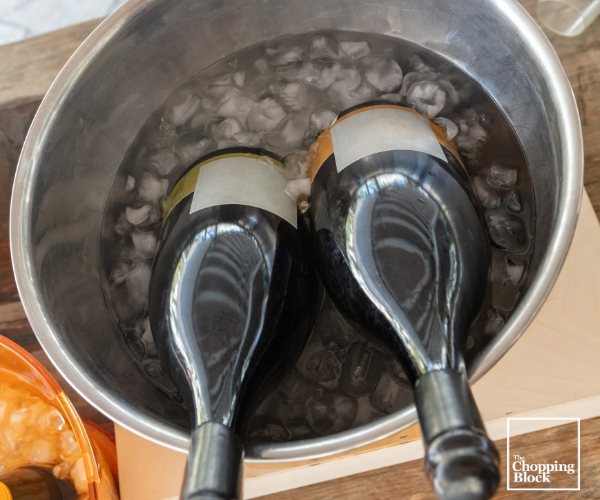
Rich reds grab your palate and attention with bitter, mouth-drying tannin, which is increases when cold. Low-tannin reds lead with fruit flavors, which are refreshing with delicate chill. Even without ice, chill light reds, such as Mas de Gourgonnier or France’s Beaujolais, so that they’re cool when they hit your palate.
Rule #3: Serve Wine in Stemmed Glassware
Sure, traditional stemware enhances wine complexity, but how much complexity do you need with your feet dangling in a pool?
Even if glass is okay at your summertime venue, the odds of tipping and smashing stemware is high. Choose instead a sturdy, flat-bottom glass, such as a jam jar, rocks glass or traditional French bistro glass.
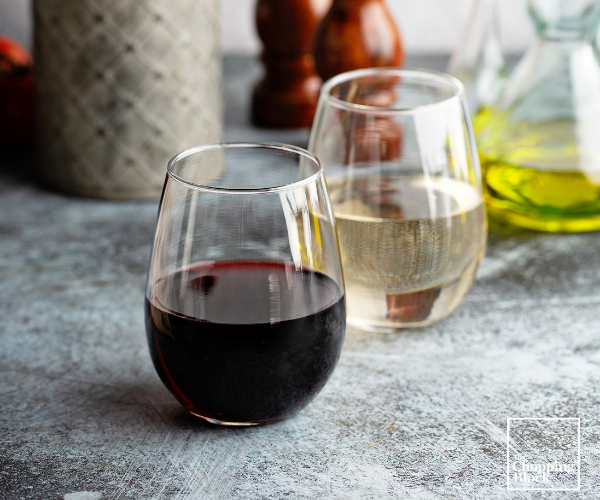 While the health aspects of drinking wine from plastic are up for debate, I’d rather drink wine from a coffee cup over plastic.
Rule #5: White Wine with Fish, Red Wine with Meat
“Red wine with red meat” is more than color-coding. Red wine’s tannic acid helps the body digest meat, while meat softens red wine’s tannic bitterness.
But white wine also has acids to take a bite out of meat. If your red wine drinking comes with health problems, or if it’s just too hot for red, turn to a high-acid white, like Chilean Sauvignon Blanc. At TCB, we offer:
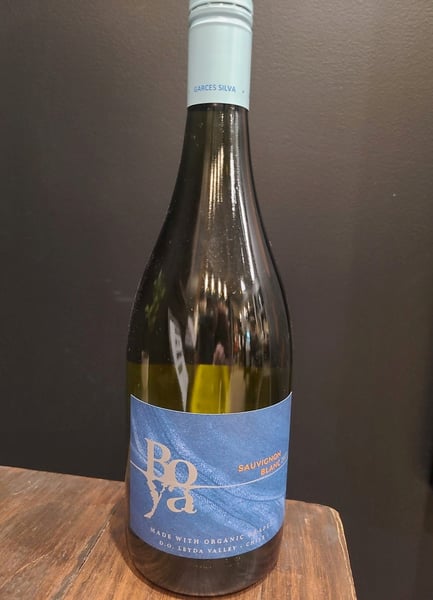 Sauvignon Blanc "Leyda Valley", Boya, 2021 Aconcagua, Chile, $28: Vibrant, dry, and direct flavors of passionfruit and fresh herbs with lime-like acidity. A dynamic cocktail and complement to dishes prepared with herbs or citrus, including seafood, veggie cuisine and even meat.
Join Us to Break Some Rules!
 Which would you prefer: Grilled Flank Steak and Chimichurri Sauce with Bonfanti Malbec or Boya Sauvignon Blanc? You can decide on Friday July 18 at 6:30pm on our patio during our Sunset Sips and Savory Supper, a mix-and-match of 3 courses and 5 wines. You may be surprised by what you decide!
