
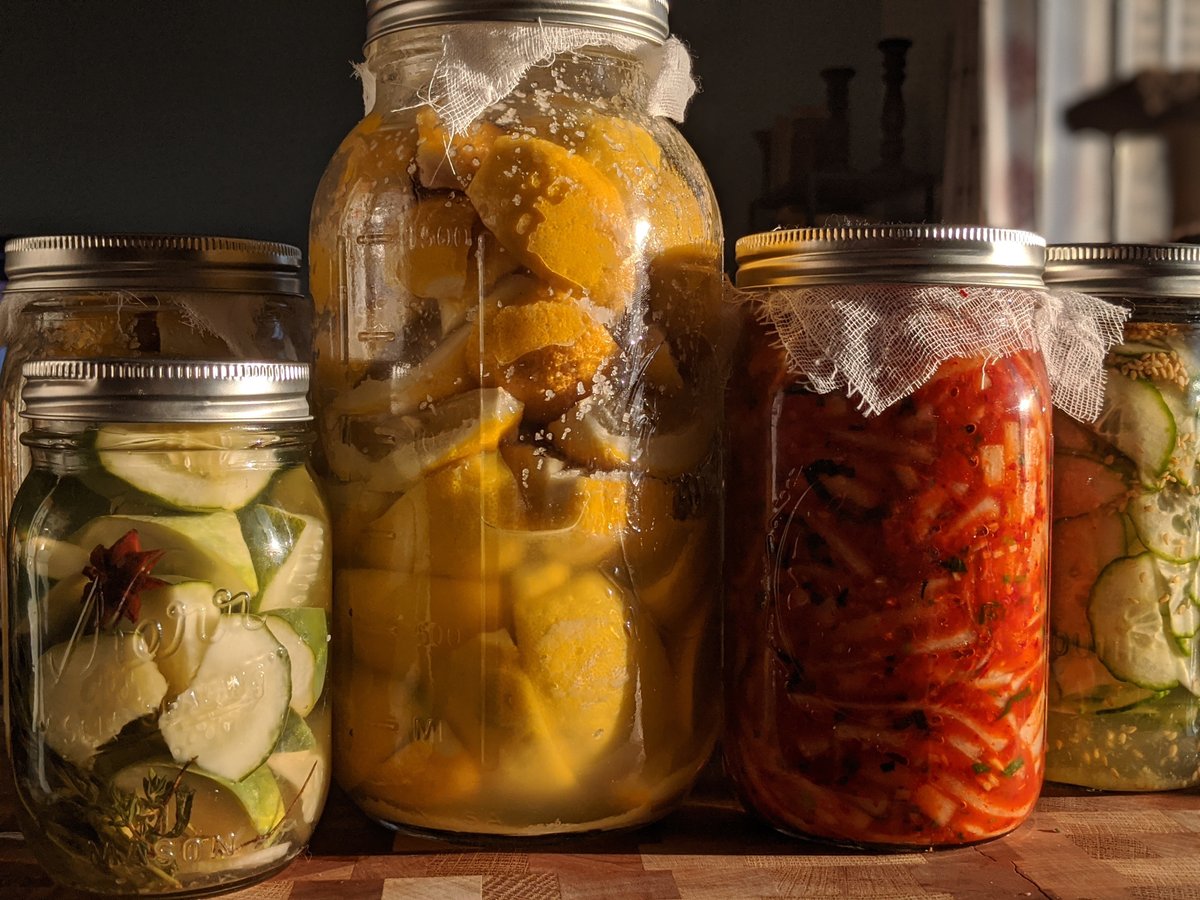
When you see the word pantry, you might imagine an unkempt little closet where Grandma’s McCormick brand cream of tartar sits behind the latest Costco bounty gathering dust, only seeing the light as you rummage past it looking for that bag of cake flour you swore you’d cook with every week (6 months ago), wondering “Does flour really expire?”
Just a guess…
A pantry, though, is more than this. A cook’s pantry is their flavor library, the framework of their gastronomic legacy.
For this chef, it’s the foundational work that happens months before a meal is ever plated.
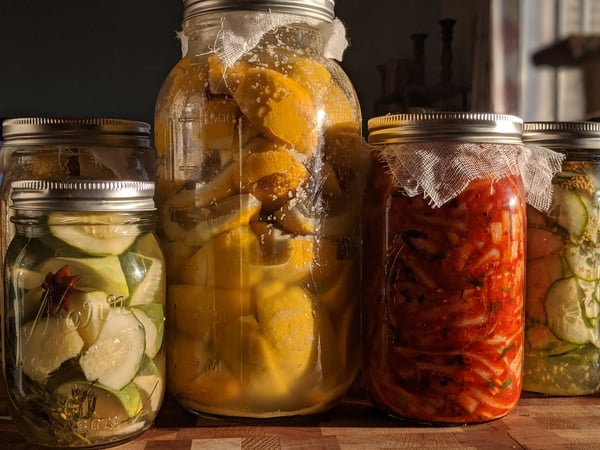
To take your pantry ingredients into your own hands is to reclaim the narrative of your cooking. It is a shift from being at the mercy of commercial food, to designing your own culinary identity. When we move from store-bought to home-made, we aren't just saving money or reducing waste; we are ensuring that every layer of a dish carries our own mark.
The Quiet Art of Preservation
There is a profound, meditative quality to the process of preservation. When we spend an afternoon processing late-summer tomatoes—blanching, peeling, and sealing them into jars—we are capturing a specific moment in time. The jar becomes a memory of the summer heat preserved for a winter’s day, and a tradition that will be remembered well beyond a lifetime.
.jpg?width=600&height=279&name=Pantry%20Photo%202%20(2).jpg)
Making your own sausage, cheese, or bread requires a level of patience that our fast-paced world no longer seems to reward, but the depth of flavor in honey-fermented garlic, the conversation around the table when you share the prize of last year’s harvest… these are rewards as old as cooking itself. The ingredients become a unique signature, transforming a simple dish into one worthy of future generations’ nostalgia.
A Library of Love
Building a chef’s pantry involves looking at the undertones of our recipes—the herbs, the spices, the condiments—and not taking them for granted.
Dried Herbs and Spices: There is a startling difference between a plastic jar of supermarket oregano and herbs you have dried yourself. Whether it’s ramp powder or bunches of chilis hung to dry, the volatile oils remain more intact, offering a potency that commercial processing cannot match.
Pickles and Ferments: The act of pickling is about balancing acidity. When you make your own mustard, hot sauce, or sauerkraut, you control the balance in your cooking.
Stocks: The modern pantry is frozen too; veal stock, chicken stock, and the Parmesan broth made from salvaged rinds elevate sauces and grains, providing a depth that a bouillon cube could never emulate.
The Value of the Effort
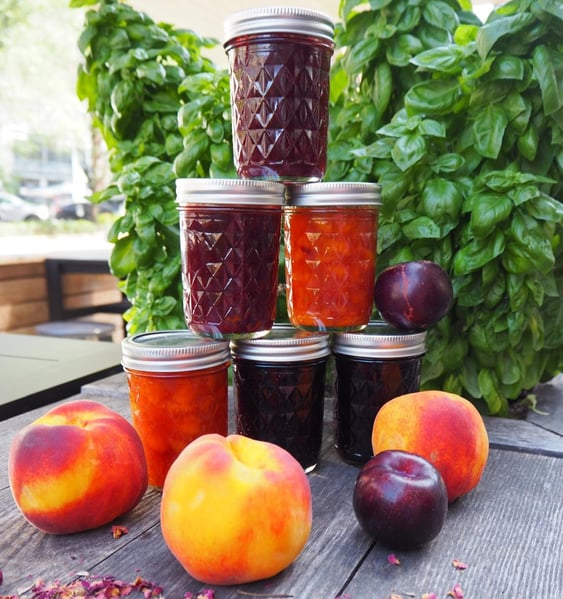
It is true making these things takes precious time. It requires us to slow down, spend more time in the kitchen, to label jars, to learn a little, maybe fail a little, and hardest of all to wait. This is an investment, and it changes the way we feel about the food we serve when our connection to it runs deeper. When you open a jar of preserves you made yourself, or use a spice blend you toasted and ground by hand, you are cooking with a sense of stewardship.
This approach to the pantry turns the kitchen from a place where we assemble, to a place where we create. It reminds us that a great meal isn't just made in the hour before dinner; it is built over seasons, through a series of small, intentional acts.
This is an invitation to cook more honestly. It is an opportunity for a commitment to the idea that the best ingredients aren't found on a shelf but are born from the hands of the cook who cares enough to make them.
And remember, we’re always here to help you get started.
