
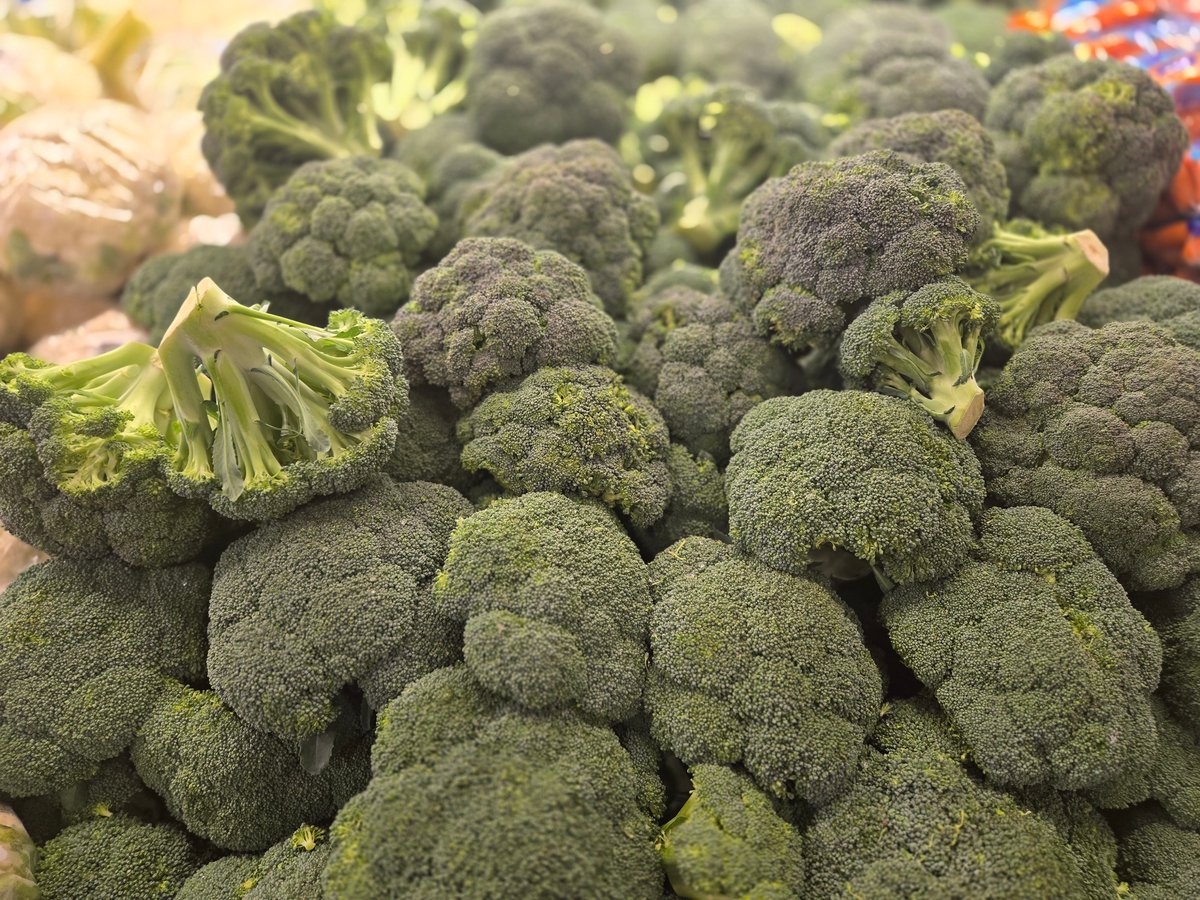
January is the perfect time to reset in the kitchen. While winter may seem quiet for fresh produce, this month actually offers a wide variety of flavorful, nutrient-rich fruits and vegetables. Seasonal eating in January, here in Illinois, means leaning into hearty roots, sturdy greens that thrive in cooler weather, vibrant citrus, and tropical fruits. Every fruit and vegetable has its season: a time of the year when they are ripe, plentiful, taste the best, and cost the least.
January produce may look different around the globe, but every climate offers something special this time of year. Although most produce isn’t grown locally, it's seasonal in its country of origin. This means higher quality, better flavor, and more reliable supply. We benefit by receiving produce at its peak, just from a different part of the world.
We rely on a global food system especially in the middle of winter. The produce at the grocery store reflects growing seasons in warmer U.S. states, tropical regions, and the Southern Hemisphere. Understanding where our food comes from helps us make informed choices, appreciate each meal, and stay connected to both our local farms and farms around the globe. Food becomes a way to learn about the world, not just something we consume.
Vegetables in season in January:
Root vegetables
- Carrots
- Beets
- Turnips & Rutabagas
- Parsnips
- Sweet potatoes
Root vegetables are some of the most important foods available in January. Nutrient-rich, cold-hardy vegetables that become sweeter as the temperature drops. Root vegetables grow underground, which protects them from early frosts. After harvest, they can be stored in cool, dark conditions for months without losing quality. This makes them ideal for winter eating.
Greens & Brassicas
- Kale
- Collard greens
- Swiss chard
- Brussels sprouts
- Broccoli & Cauliflower
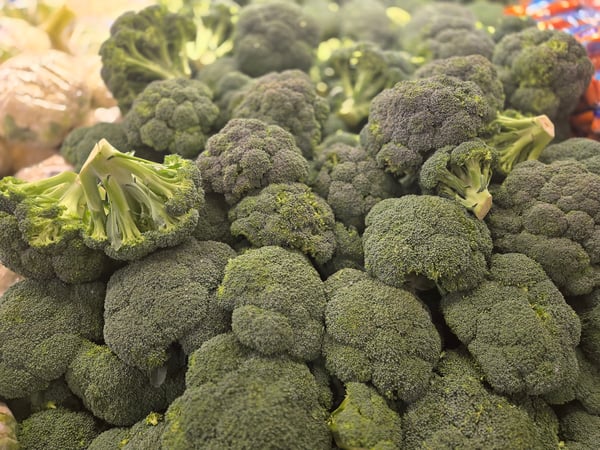
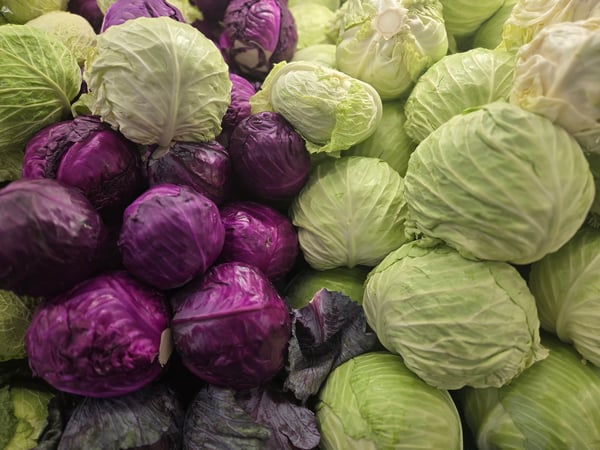
January is prime time for hearty, cold-weather brassicas and greens. Brassicas are a family of vegetables (cruciferous vegetables) known for their sturdy structure and strong nutritional value. Many brassicas actually taste better after exposure to cold, they become sweeter as they convert starches to sugars to survive frost.
Alliums
- Onions
- Garlic
- Leeks
- Shallots
Alliums are the backbone of cooking. Their long storage life, nutritional value, and flavor make them essential. Luckily, many alliums are storage crops, meaning they are harvested in late summer or fall and stored over the winter.
Winter Squash
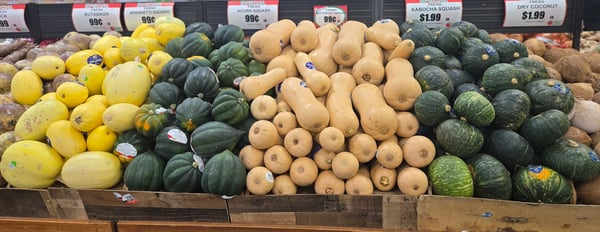
- Butternut squash
- Acorn squash
- Kabocha squash
- Spaghetti squash
- Delicata squash
Winter squash have hard rinds, dense flesh, and low moisture content. These qualities allow them to be harvested in fall and stored in cool, dry conditions throughout winter.
Fruits in season in January:
Citrus Fruits
- Oranges (Navel, Blood orange, Cara Cara)
- Lemons & Limes
- Meyer Lemons
- Grapefruit
- Clementines
- Tangerines & Mandarins
- Pomelos
- Kumquats
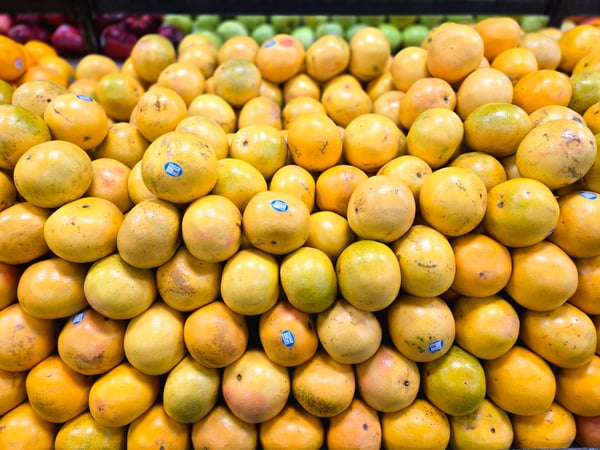
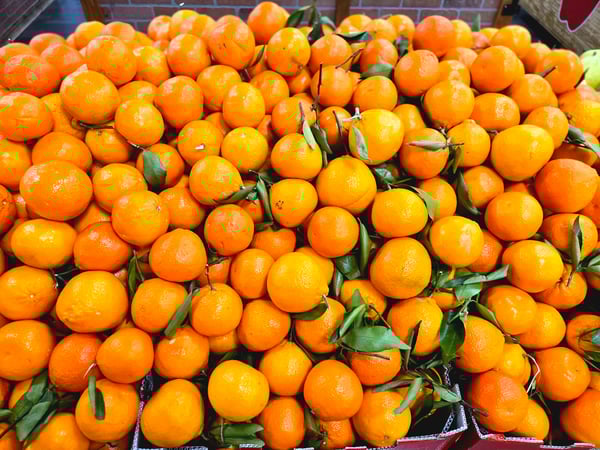
January is citrus season in many parts of the world. Warm climates allow citrus to ripen naturally during this time, reaching peak flavor between December and March. January citrus is a perfect example of seasonal eating across climates. While snow covers Illinois fields, citrus is ripening on trees in warm regions around the world.
Tropical Climate Fruits
- Mangos
- Pineapples
- Papaya
- Guava
- Bananas & Plantains
- Passion fruit
- Star fruit (Carambola)
- Coconuts
- Avocados
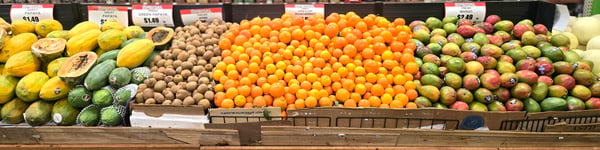
Tropical regions are warm year round but January often falls during the dry season, making it the peak season for harvesting these fruits.
I hope this is inspiration to get in the kitchen and get cooking - whether it's recipes you know and love or trying new foods. The new year is the perfect time to learn new kitchen skills. From beginners to seasoned foodies, The Chopping Block has classes for everyone.
If you are interested in learning more about working with vegetables, check out one of our upcoming vegetarian classes:
- Hands-On Indian Vegetarian Monday, January 26 6pm
- Hands-On Pasta and Gnocchi Workshop Tuesday, January 27 6pm
- Hands-On Vegetarian Mediterranean Wednesday, February 11 6pm
- Lunch & Learn Demonstration: Tomato Soup & Grownup Grilled Cheese Friday, February 20 12pm
