
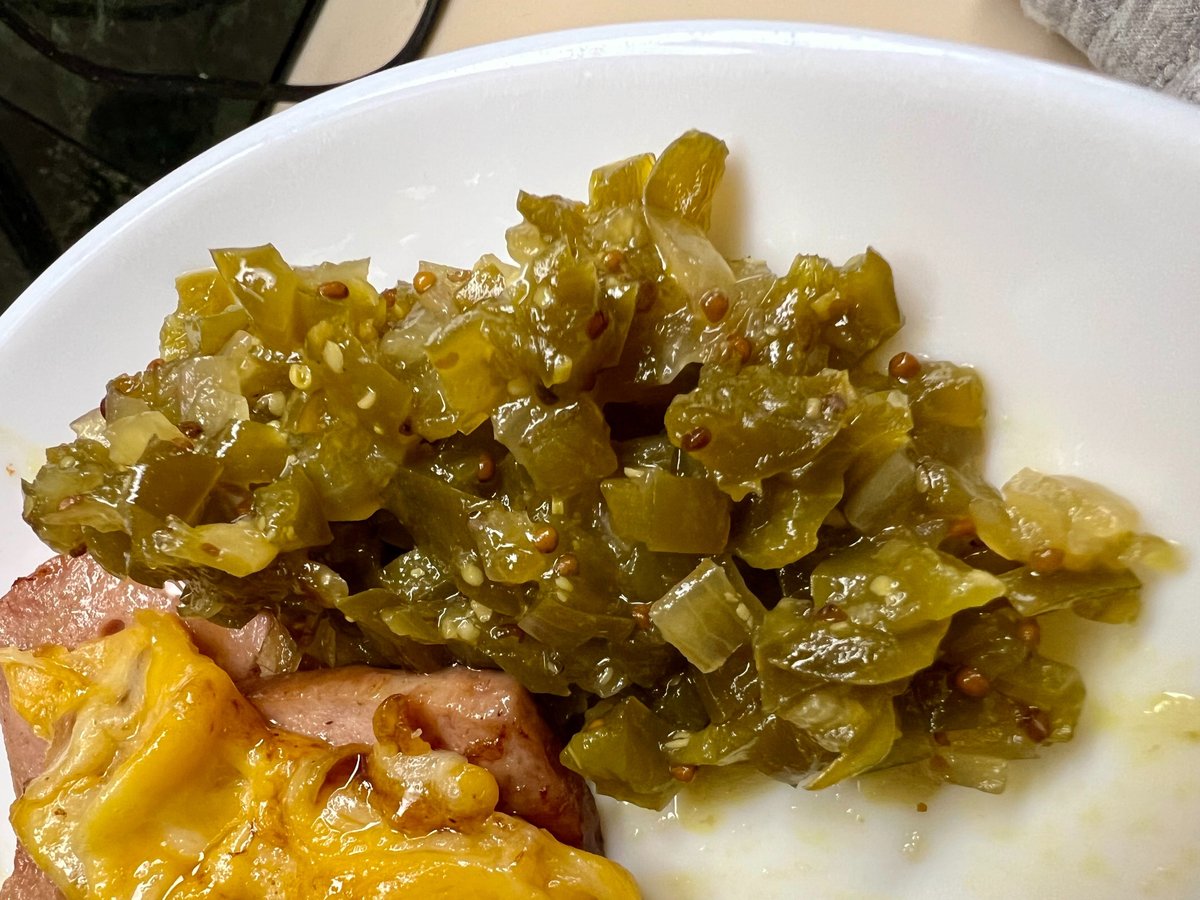
My first instinct as a chef is to utilize as much as I can and let very little food go to waste. This mentality is primarily ingrained into chefs because of the extremely thin margins in the restaurant industry. Making something out of nothing and then making a profit on that something is one of the secrets to staying in business. So when my neighbor brings me a few pounds of green bell peppers from their garden (even though I definitely don’t need them), I can’t say no.
Pickling, jamming, and making relish are some of the oldest food preservation techniques in human history. Before refrigeration, these methods allowed people to extend the life of their harvests through winter months when fresh food was scarce. This is even something I talk about when teaching our Sushi Workshop class at The Chopping Block. Salt, sugar, and acid became powerful tools to lock in flavor and prevent spoilage. Today, we pickle for the same reasons our great-grandparents did, to avoid waste and to capture peak-season produce at its best.
The beauty of these techniques is their flexibility. Got too many cucumbers? Quick pickles take twenty minutes and last weeks in the fridge. Drowning in tomatoes? A simple tomato relish can elevate everything from eggs to burgers. Got a good deal on berries you couldn’t pass up? Jam is just fruit, sugar, and heat. You don't need fancy canning equipment for small batches, just a pot, some jars, and basic ingredients will get you there and we can still use the fridge or freezer.
I lean toward quick pickles and refrigerator preserves because they're low commitment and don't require the precision of water bath canning. Slice your vegetables, heat up a brine of vinegar, water, salt, and whatever spices you like, pour it over, and you're done. For jams, it's a similar story - cook down your fruit with sugar until it thickens, jar it up, and keep it cool.
This is how you turn a bunch of sweet peppers and a couple of onions into something you'll actually want to eat a month from now. It's practical, it's delicious, and it connects you to a tradition that's been feeding people for thousands of years. Next time your garden, farmers market haul, or CSA box gets out of hand, don't let it go to waste! Pickle it, jam it, or relish it.
Sweet Bell Pepper Relish
Yields: 1 quart
Prep time: 15 minutes
Cook time: 45 minutes
Total time: 1 hour
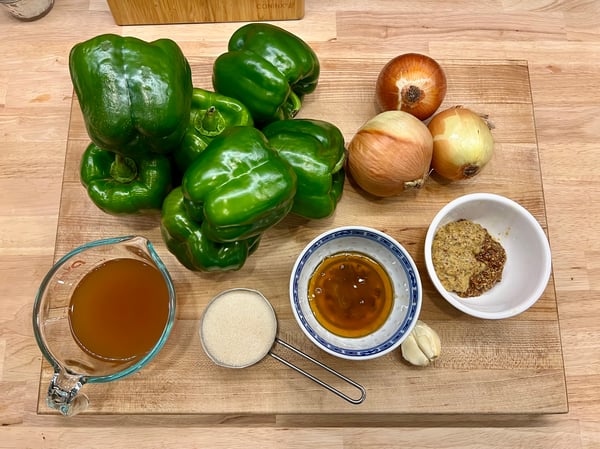
2 tablespoons olive oil
3 small onions, small dice
8-10 bell peppers, small dice
3 cloves garlic, minced
1 cup vinegar, distilled or apple cider
1/2 cup sugar
1/4 cup honey
1/4 ground or whole grain mustard
1 tablespoon salt
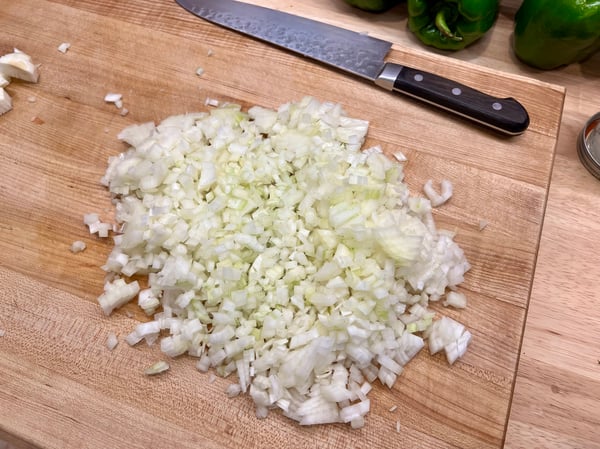
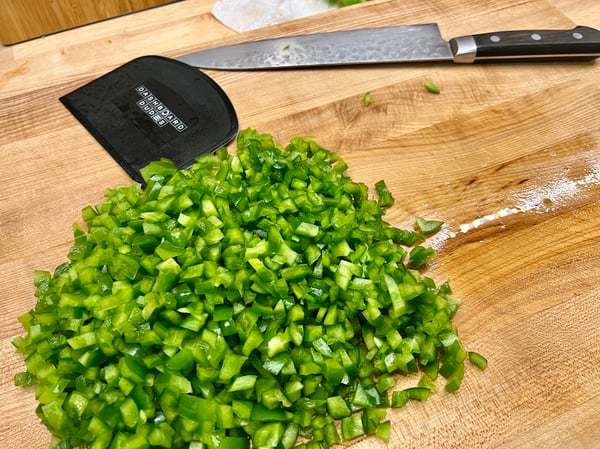
1. Add the oil to a large pot and begin sweating the onions. Once translucent and soft add the peppers and garlic.
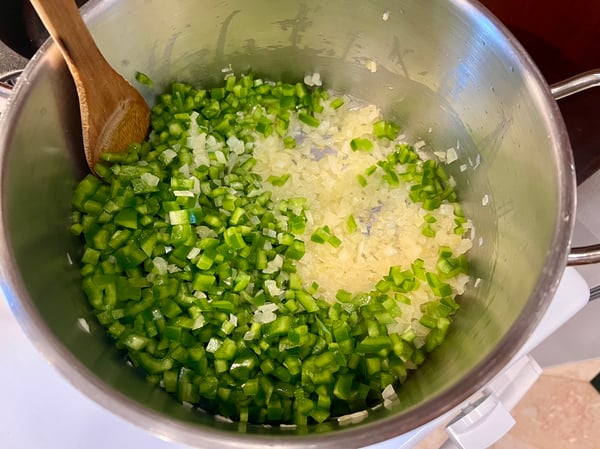
2. Once the peppers begin to soften slightly add the remaining ingredients and bring the pot to a boil. Reduce to a simmer and cover to cook for about 15-20 minutes.
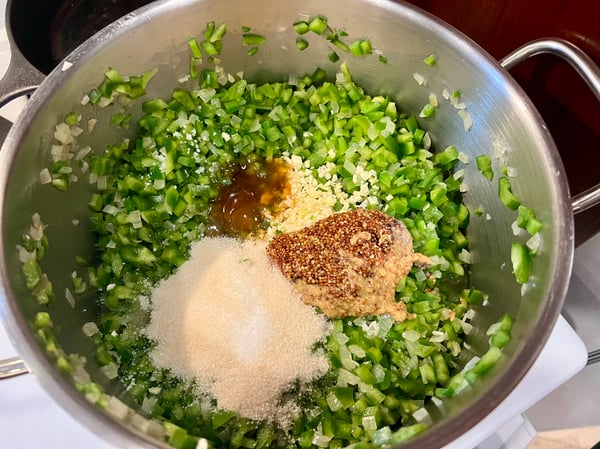
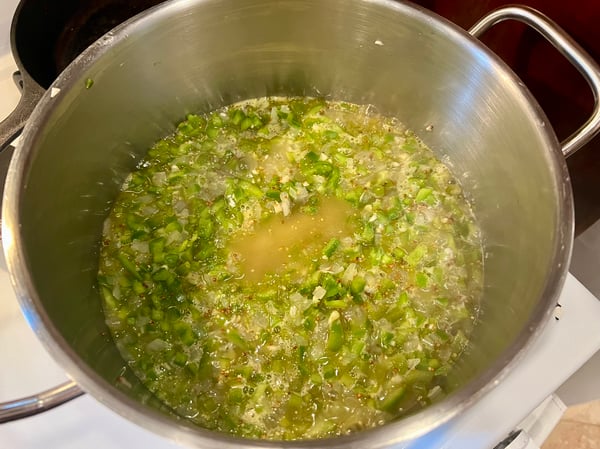
3. Remove the lid and continue to simmer until most of the liquid has reduced and the mixture starts to look thicker. Taste to adjust the salt, sugar, and acid to your liking.
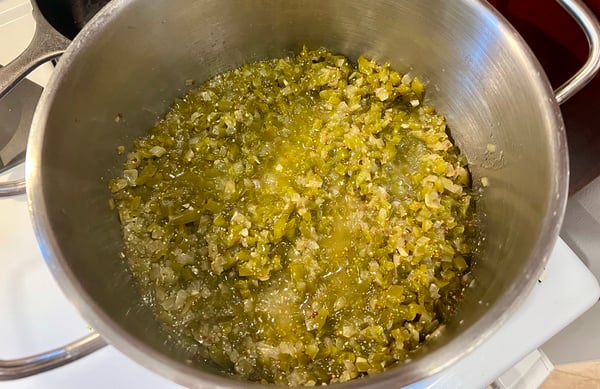
4. The relish is done when there is not much, if any, excess liquid and the vegetables are all soft. Spread the relish out on a tray or baking sheet to cool quickly. Store in mason jars in the fridge or freezer.
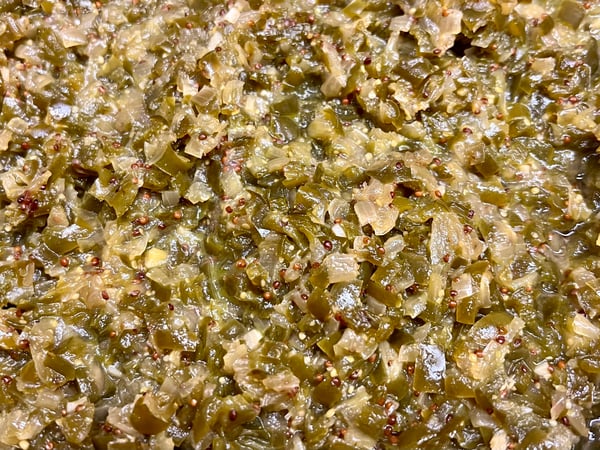
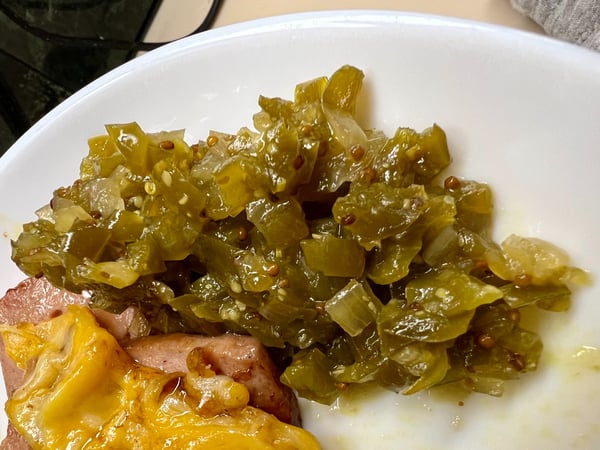
I use my relish on burgers, hotdogs, or even a charcuterie platter.
Slicing or dicing lots of veggies and fruits to make preserves is an excellent opportunity to hone your knife skills, and good knife skills will knock lots of time off your prep and makes cooking at home much more enjoyable. Our Knife Skills classes will help build the foundation you need to quickly execute any recipe at home.
