
If you’ve read my blog, you know I hate wasting food. Some of my best meals start with me standing in the kitchen thinking, “Okay… what do I already have that could turn into something great?” Lately, that ingredient has been miso.
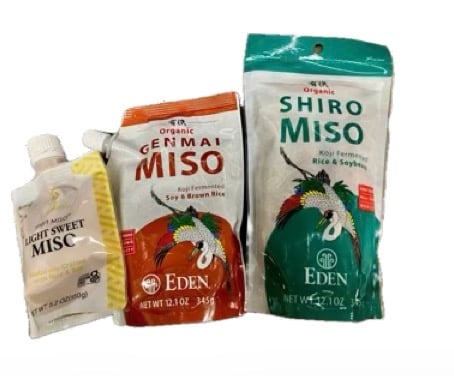
I originally bought it for a Roasted Cabbage and Tofu with Walnut Sauce dish. That one container reminded me just how much I love its deep, savory flavor. Since then, cooking with miso has turned into a delicious little treasure hunt. The more I play with it, the more I realize miso belongs in far more than just soup.
A Paste with a Past
Miso’s story goes way back. Its roots trace to ancient China, where a fermented paste called jiang was used as both seasoning and preservation. Buddhist monks brought the technique to Japan around the 7th century, and over time it evolved into the miso we know and love today.
Originally, fermentation was practical — a way to make food last. But miso didn’t stay just practical. It became cultural. Regional styles developed based on local grains:
- Rice miso (kome miso)
- Barley miso (mugi miso)
- Soybean miso (mame miso)
At one point, the kind of miso you ate could even hint at your social class. Basically, miso snobbery has been around a lot longer than coffee snobbery. Some things never change. Today, there are over a thousand miso producers in Japan, and the variety is incredible.
So… What Is Miso?
At its simplest, miso is a fermented paste made from soybeans and koji — a beneficial mold grown on grains or soybeans that kickstarts fermentation. That process creates miso’s signature umami flavor: rich, savory, and deeply satisfying.
Red vs. White Miso
The most common types are red and white. Here’s a quick breakdown of the differences.
White (Shiro) Miso
- Fermented for a shorter time
- Higher percentage of rice
- Sweeter, milder, less salty
- Perfect for lighter dishes like dressings, sauces, and glazes
Red (Aka) Miso
- Fermented longer
- More soybeans, less rice
- Richer, saltier, more intense
- Great in hearty soups, stews, marinades, and bold sauces
Think of white miso as gentle and friendly, and red miso as deep and dramatic. Both deserve a spot in your fridge.
If you haven’t cooked with miso beyond soup, consider this your sign. Stir it into salad dressing. Whisk it into butter. Add it to marinades. Toss it with roasted vegetables. Glaze fish with it. Once you start, you’ll see — miso isn’t just an ingredient. It’s a flavor upgrade waiting to happen.
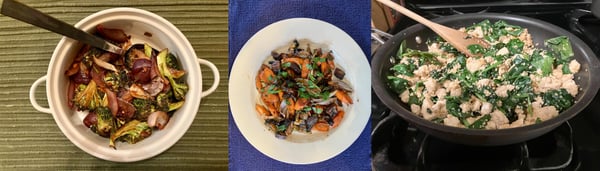
Out of convenience I have use both types interchangeably and not been disappointed by the result. In addition to the previously stated, I enjoyed cooking and eating Miso Roasted Broccoli and Roasted Mushrooms, and Carrots, and Spinach & Mashed Tofu with Homemade Sesame Miso Dressing.
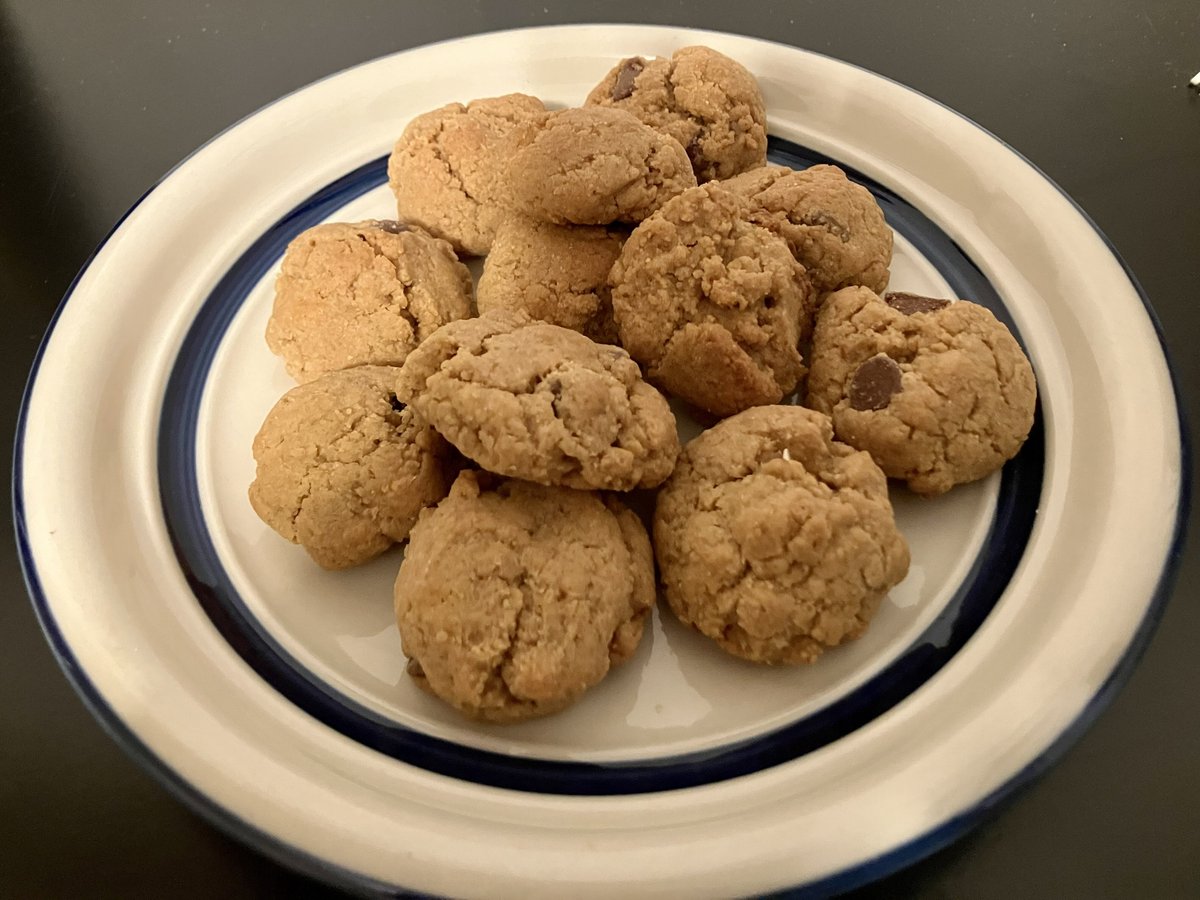
I have also used miso for sweets, such as Miso Hot Chocolate and these chocolate chip cookies. The recipe, called for sweet white miso paste, but per norm, I had red in my house and so that’s what I used.
Miso Chocolate Chip Cookies
Yield: 10 large cookies, 20 regular sized, 36 mini cookies
Prep time: 20 minutes
Inactive time: 1 hour
Cook time: 15 minutes
Total time: 1 hour 35 minutes
1 3/4 cups all purpose flour
3/4 teaspoon baking powder
1/2 teaspoon baking soda
5 Tablespoons unsalted butter, room temperature
2 Tablespoons white sweet miso paste
1/2 cup light or dark brown sugar
1/2 cup granulated sugar
1/2 teaspoon pure vanilla extract
1 large egg
3/4 cup chocolate chips (dark, semisweet or milk)
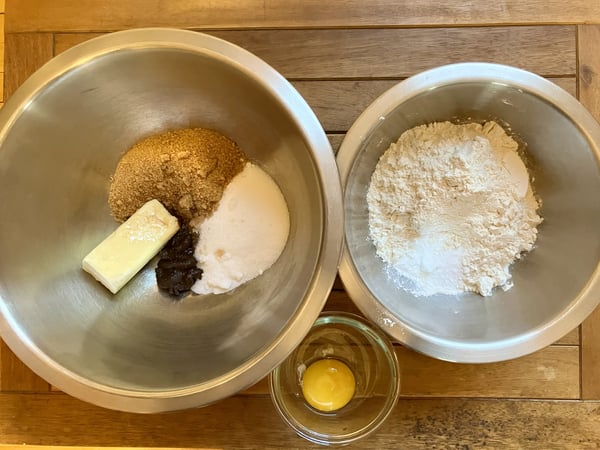
1. In a small bowl, whisk together the flour, baking powder and baking soda. Set aside.
2. In a large bowl, cream the unsalted butter, miso, sugars and vanilla extract together until light and fluffy, about 3 minutes.
3. Crack in the egg and beat just until it’s combined.
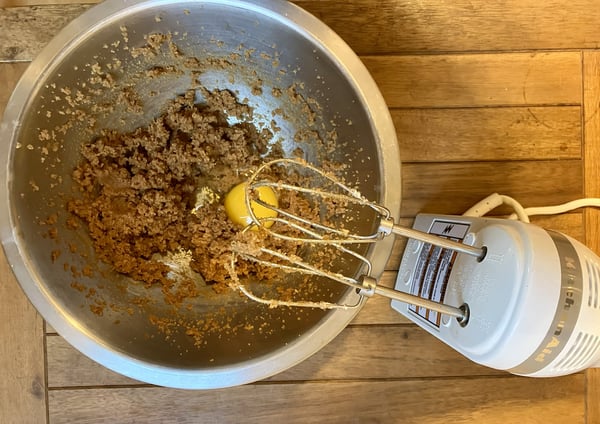
4. Add the flour and mix once more just until no flour speckles appear.
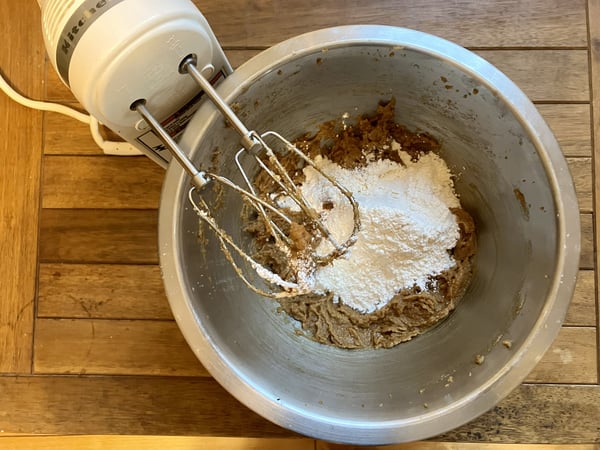
5. Add the chocolate chips and mix one last time.
6. Depending on your preference, use a large, medium, or small cookie scoop. (Note: baking time will vary based on cookie size.)
7. Scoop out balls of cookie dough onto a baking sheet lined with parchment paper and transfer to the fridge to chill for 1 hour.
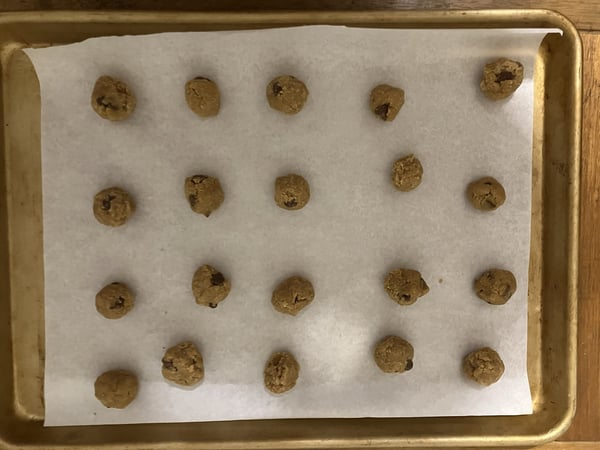
8. Preheat oven to 350 degrees F. Bake for about 12 to 14 minutes, until the edges are lightly golden brown. When they come out of the oven, they’ll be slightly puffy but will fall when cooled.
You can learn more about umami, the different taste profiles and how they interact in our upcoming Flavor Dynamics interactive demonstration and on day five of Culinary Boot Camp. We also use miso in our popular hands-on Ramen Workshop, and in this case, it's totally acceptable to use in soup!
